
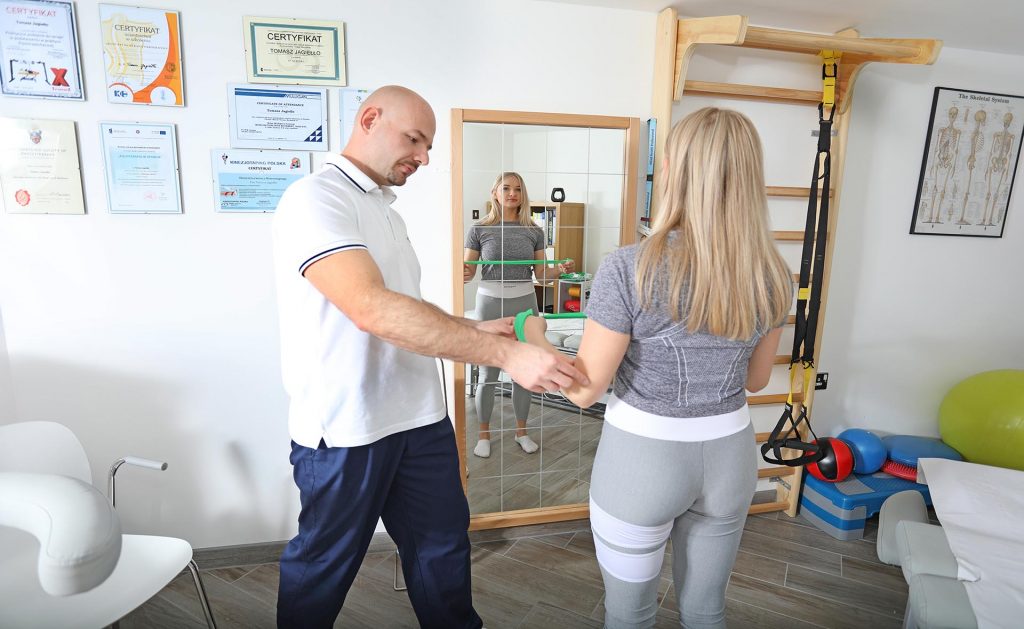
If you are struggling to get comfortable, sleep well or sit at your desk because of a nagging ache, learning the best exercises for lower back pain at home can make a huge difference. With the right back pain exercises, you can start to ease stiffness, protect your spine and feel more in control of your recovery between sessions with a physiotherapist in Southampton.
Why Your Lower Back Hurts – And Why Exercise Helps
When your lower back is painful, it is tempting to rest completely and avoid movement. In the short term, a day or two of taking it easy can help. But if you stop moving for too long, the muscles that support your spine weaken and stiffen, which can actually increase your discomfort. Gentle physio exercises for your back are one of the safest ways to break this cycle.
Your lower back is designed to move. It relies on a balance of strength, flexibility and control from your core, hips and glutes. Everyday habits – long hours at a desk, slouching on the sofa, lifting awkward loads or even stress – can upset this balance. Over time, certain muscles become tight, others switch off, and your joints and discs can start to complain.
Targeted back pain exercises help by improving blood flow, reducing muscle tension and re-training the right muscles to support your spine. At PhysioCraft in Southampton, we see every day how a simple, consistent home routine can speed up recovery when combined with hands-on treatment and a proper assessment.
Before You Start: Safe Home Exercise Guidelines
Before you dive into any physio exercises for your back, it is important to set yourself up for success. A few simple checks can help you exercise safely and avoid flaring your pain.
First, listen to your body. Mild discomfort or a gentle stretching sensation is normal when you move a stiff area. Sharp, shooting, or worsening pain is not. If your symptoms travel down your leg, cause numbness or weakness, or are linked to a fall or accident, you should seek a professional physiotherapy assessment and examination before continuing.
Second, choose a comfortable, supportive surface. A firm mattress, exercise mat or carpeted floor works best. Wear clothes you can move freely in and have a small cushion or folded towel nearby to support your head or knees if needed.
How Often Should You Do Back Pain Exercises?
For most people with mild to moderate lower back pain, little and often works better than an occasional intense session. Aim to perform your home routine once or twice a day, focusing on smooth, controlled movements rather than speed or force. If you feel more sore after a particular exercise and the pain lingers into the next day, reduce the range, the number of repetitions, or skip that exercise until you have spoken to a physiotherapist.
In Southampton, many of our PhysioCraft patients find that a 10–15 minute routine fits easily into a morning or evening schedule and provides noticeable relief within a few weeks when they stay consistent.
When to Avoid Exercising Your Lower Back
You should pause your home back pain exercises and seek advice if you experience severe pain, loss of bladder or bowel control, unexplained weight loss, fever, or a history of significant trauma. These are rare but important warning signs that need urgent medical attention, not just home physio exercises for your back.
If you are unsure whether your symptoms are suitable for home management, booking a professional opinion can give you clarity and confidence about what is safe for you.
Gentle Mobility Exercises to Ease Stiffness
Mobility exercises are a great starting point if your lower back feels stiff, locked or achy. These movements are designed to be comfortable and calming, helping your spine and surrounding muscles move more freely without strain.
Try to breathe slowly and steadily through each movement. Do not rush. Many people in Southampton tell us these exercises become their go-to routine when their back first starts to tighten up after work or driving.
1. Knee-to-Chest Stretch
Lie on your back with your knees bent and feet flat on the floor. Gently bring one knee towards your chest, using your hands behind your thigh or over your shin to support the movement. Hold for 10–20 seconds, then slowly lower and repeat on the other side. Perform 3–5 times each leg.
This simple stretch helps to ease tension in the lower back and glute muscles. If bringing the knee all the way to your chest is too much, only go as far as feels comfortably stretchy, not painful. Over time, you should feel the movement become easier.
2. Pelvic Tilts
Still lying on your back with your knees bent, gently flatten your lower back into the floor by tightening your stomach muscles and tilting your pelvis towards your ribs. Hold the tilt for 3–5 seconds, then relax and allow your back to return to its natural curve. Repeat 10–15 times.
Pelvic tilts are one of the most effective early back pain exercises for re-engaging your deep core muscles without straining your spine. They also help you become more aware of your pelvic position, which can improve your posture when sitting and standing.
Core Strengthening Physio Exercises for Your Back
Once your pain is a little calmer, you can begin to add gentle strengthening work. The goal is not to build a “six-pack” but to train the deeper muscles that support your spine and pelvis. Strong, coordinated core muscles share the load with your lower back so it does not have to work as hard.
At PhysioCraft, we often combine these exercises with hands-on manual therapy for back and hip stiffness to speed up progress. The combination of guided movement and targeted treatment can be especially effective for long-standing pain.
3. Dead Bug (Beginner Version)
Lie on your back with your knees bent and feet flat. Gently tighten your lower tummy muscles as if you are zipping up a pair of trousers. Raise one leg so your hip and knee are at right angles, then slowly lower it back down. Alternate sides for 10–12 repetitions, keeping your lower back steady against the floor.
As this becomes easier, you can progress by lifting both legs into a tabletop position and slowly lowering one heel towards the floor at a time. The key is control – if your back starts to arch or your tummy domes upwards, make the movement smaller or return to the easier version.
4. Bridge
From the same starting position on your back, gently tilt your pelvis and then lift your hips off the floor until your body forms a straight line from shoulders to knees. Hold for 3–5 seconds, squeezing your glutes, then slowly lower back down. Aim for 8–12 repetitions.
Bridges target your glutes and hamstrings as well as your lower back, helping to share the workload during walking, climbing stairs and lifting. If you feel cramping in your hamstrings, try bringing your feet slightly closer to your body or focusing more on squeezing your bottom muscles as you lift.
Stretching Tight Hips and Hamstrings
Tight hips and hamstrings are a common driver of lower back discomfort, especially if you spend a lot of time sitting. When these muscles shorten, your pelvis can be pulled into an awkward position, increasing strain on your lumbar spine. Including a few focused stretches in your home routine can make your other back pain exercises feel more comfortable and effective.
As with all stretching, aim for a gentle, sustained feeling rather than bouncing or forcing the movement. Hold each stretch for 20–30 seconds and breathe steadily. In Southampton, we often see office workers and drivers benefit quickly when they add these stretches into their day.
5. Hamstring Stretch with Towel
Lie on your back and loop a towel or belt around the ball of one foot. Keeping a slight bend in your knee, gently straighten your leg towards the ceiling until you feel a stretch down the back of your thigh. Do not push into pain or pins and needles. Hold, then slowly lower and repeat on the other side.
If your lower back feels strained, bend the opposite knee and place that foot flat on the floor to give you more support. Over time, you may notice you can straighten the leg a little more without discomfort, which can translate into easier walking and bending.
6. Hip Flexor Stretch
Kneel on one knee with the other foot in front, so both knees are at right angles. Gently tuck your pelvis under (as if you are zipping up your jeans) and shift your weight forward until you feel a stretch at the front of the hip of the kneeling leg. Keep your chest upright and avoid arching your lower back.
This stretch helps counteract the tightness that builds up from prolonged sitting. Many people are surprised at how much easing the front of the hip reduces pulling and pinching in the lower back.
Everyday Movement Tips to Protect Your Back
Even the best physio exercises for your back will not be fully effective if your everyday habits keep irritating your spine. Small changes to how you sit, stand and lift can significantly reduce strain and help your home routine work better.
First, look at your sitting posture. In Southampton, a lot of our PhysioCraft patients spend long hours at a desk or driving. Try to sit with your feet flat on the floor, hips slightly higher than your knees, and your lower back supported by the back of the chair or a small cushion. Stand up and move every 30–45 minutes, even if it is just for a minute or two.
When lifting, keep the object close to your body, bend at your hips and knees rather than rounding your back, and avoid twisting while carrying a load. If something feels too heavy or awkward, ask for help or break it into smaller loads. Your back will thank you.
Using Pain as a Guide – Not a Boss
It is normal to feel wary of movement when your back has been painful. However, avoiding all activity can feed fear and stiffness. Instead, use your pain as information. Mild soreness that eases within 24 hours is usually acceptable. Pain that spikes sharply, lingers or spreads may be a sign to ease off and get tailored guidance.
Working with a physiotherapist can help you find the right level of challenge and gradually build your confidence. At PhysioCraft in Southampton, we design individual rehabilitation exercise programmes that fit your specific diagnosis, lifestyle and goals.
When to Seek Professional Help for Lower Back Pain
While many people improve with consistent home back pain exercises, there are times when you should not go it alone. If your pain has lasted more than a few weeks, keeps returning, or is stopping you from working, sleeping or enjoying life, a professional assessment can uncover the root cause.
In Southampton, our PhysioCraft team can check your movement, strength, posture and nerve function to build a clear picture of what is driving your pain. From there, we combine hands-on treatment, tailored physio exercises for your back and advice on lifestyle tweaks to help you recover faster and reduce the risk of future flare-ups.
Specialist treatments such as targeted back pain treatment and spinal rehabilitation can be especially helpful if your symptoms are more severe, long-standing or linked to a specific injury.
Frequently Asked Questions
How often should I do back pain exercises at home?
Most people do well with 10–15 minutes of gentle back pain exercises once or twice a day. Focus on quality rather than quantity. If your pain increases and stays worse the next day, reduce the intensity or frequency and consider a professional check.
Can I do physio exercises for my back if I have a disc problem?
In many cases, yes – but the exercises need to be chosen and progressed carefully. Some movements are very helpful for disc-related pain, while others can aggravate it. If you have been told you have a disc issue, it is wise to get personalised advice from a physiotherapist rather than relying on generic routines.
How long will it take for my lower back pain to improve?
Recovery time varies. Some people feel better within a couple of weeks of regular home exercises, while others with long-standing or complex problems may need several months. Consistency, appropriate progression and addressing everyday habits all play a role.
Do I need to stop exercising or going to the gym?
Not necessarily. In fact, staying active is usually beneficial. You may need to modify certain movements or weights for a while, especially heavy lifting or high-impact activities. A physiotherapist can help you adapt your routine so you can keep moving safely while your back recovers.
Conclusion: Take the Next Step Towards a Happier Back
Learning the best exercises for lower back pain at home gives you a powerful tool to ease discomfort and protect your spine for the long term. By combining gentle mobility work, core strengthening, targeted stretching and smarter everyday habits, you can gradually reduce pain and feel more confident in your body.
If you live in or around Southampton and your back pain is lingering, keeps returning, or you are unsure which physio exercises for your back are right for you, you do not have to figure it out alone. The team at PhysioCraft can assess your specific situation and design a clear, step-by-step plan that fits your life and goals.
Start moving towards relief today by booking an appointment with PhysioCraft in Southampton. With the right guidance and a tailored home exercise programme, you can get back to sitting, walking and living with far less pain.