
If you’re living with sharp, shooting pain down your leg, tingling in your foot, or a dull ache in your lower back, you might be dealing with sciatica. Understanding sciatica pain, what causes it, and how effective sciatica relief works is the first step to getting your life back. At PhysioCraft in Southampton, we help people just like you ease pain, move freely, and feel confident in their bodies again.
What Is Sciatica and Why Does It Hurt So Much?
Sciatica isn’t a condition on its own – it’s a term used to describe pain that travels along the path of your sciatic nerve. This nerve runs from your lower back, through your hips and buttocks, and down each leg. When something irritates, compresses, or inflames this nerve, you feel it as sciatica pain.
That pain can feel very different from person to person. You might notice a sharp, electric shock-like sensation, a deep ache, burning, or pins and needles. Some people have pain only in their lower back or buttock; others feel it all the way down to the foot. Sciatica physio treatment focuses on calming the irritated nerve and addressing the real reason it became irritated in the first place.
Because the sciatic nerve is so large and important for leg function, even a small amount of irritation can feel intense. The good news is that with the right assessment, hands-on treatment, and targeted exercises, most people can significantly reduce their symptoms and avoid long-term problems.
Common Causes of Sciatica Pain
Sciatica is a symptom, not a single diagnosis. There are several possible causes, and understanding which one applies to you is essential for effective treatment. That’s why a thorough physical assessment is so important before starting any sciatica relief plan.
One of the most common causes is a lumbar disc problem, often called a “slipped disc” or disc herniation. The soft disc between your vertebrae can bulge or tear, pressing on the sciatic nerve. Another frequent cause is irritation from tight or overworked muscles in the buttock, such as the piriformis, which can compress the nerve as it passes underneath or through the muscle.
Other Factors That Can Trigger Sciatica
Poor posture, prolonged sitting, and repetitive bending or lifting can all contribute to sciatic nerve irritation. If you spend long hours at a desk, drive for work, or regularly lift heavy objects without proper technique, your lower back and hips can become overloaded. Over time, this strain can lead to inflammation and nerve compression.
Age-related changes in your spine, such as arthritis, spinal stenosis (narrowing of the spinal canal), or bone spurs, can also reduce the space around the sciatic nerve. In these cases, symptoms may come on gradually and feel worse when standing or walking for longer periods. Pregnancy, being overweight, or a sudden increase in activity can further increase pressure on your lower back and sciatic nerve.
When You Should Seek Professional Help
Mild sciatica can sometimes settle on its own, but you should seek professional help promptly if your pain is severe, lasts more than a week or two, or keeps returning. You should also get assessed urgently if you notice significant weakness in your leg, difficulty lifting your foot, or changes in bladder or bowel control. A tailored assessment, such as the one offered at PhysioCraft’s assessment and examination service, helps pinpoint the exact cause of your symptoms so treatment can be targeted and effective.
How PhysioCraft Approaches Sciatica Relief
At PhysioCraft in Southampton, sciatica physio starts with listening to you. We want to understand when your pain began, what makes it worse, and how it affects your daily life. Then we combine this information with a detailed physical examination to identify which structures are involved – your discs, joints, muscles, or a combination.
Once we know what’s driving your sciatica pain, we build a personalised treatment plan. This usually includes a mix of hands-on therapy, guided exercises, and advice to help you move better and protect your back in everyday activities. Our aim is not just short-term pain relief, but long-term confidence and resilience.
Hands-On Treatment to Ease Pain and Tension
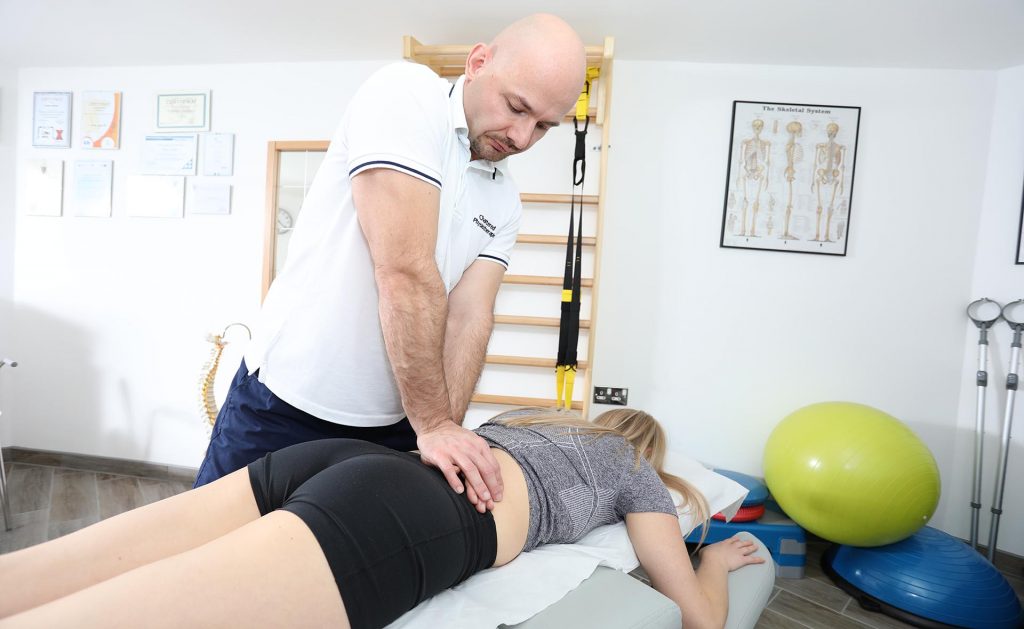
Many people with sciatica respond well to gentle, targeted manual techniques. These may include soft tissue work to ease tight muscles in your lower back, hips, and legs, and joint mobilisations to improve movement in your spine and pelvis. At PhysioCraft, we use evidence-based manual therapy techniques to reduce irritation around the sciatic nerve and improve how your body moves as a whole.
Massage and specific trigger point work can also be useful, especially if your sciatica is linked to muscle tension or piriformis syndrome. By relaxing these tight areas, we reduce pressure on the nerve and help restore normal movement patterns. For many people, this combination of hands-on care and movement retraining provides noticeable sciatica relief within just a few sessions.
Targeted Exercise and Rehabilitation
Exercise is a crucial part of effective sciatica physio. While rest may feel helpful in the very early stages, staying still for too long can actually slow your recovery. We’ll guide you through a structured programme of gentle movements to reduce nerve sensitivity, improve flexibility in your hips and hamstrings, and strengthen the muscles that support your spine.
As your pain settles, we’ll progress your exercises to build core strength, hip stability, and overall resilience. This might include simple bodyweight exercises, stretches, and functional movements that mirror your work or hobbies. Our structured rehabilitation exercise programmes are designed to be practical and achievable, even if you’re busy or nervous about moving because of pain.
Home Strategies to Support Your Sciatica Recovery
What you do between sessions is just as important as what happens in the treatment room. Simple changes at home and work can reduce irritation to your sciatic nerve and help you recover faster. The key is to strike the right balance between movement and rest.
Try to avoid long periods in one position. If you sit a lot, stand up and walk around every 30–45 minutes, even for a minute or two. Check your sitting posture: your feet should be flat on the floor, hips and knees roughly at right angles, and your lower back supported. A small cushion or rolled-up towel in the curve of your lower back can sometimes make a big difference.
Gentle Movement and Pain Management
Short, frequent walks can help keep your joints and muscles moving without overloading them. Start with just a few minutes and gradually increase as your symptoms allow. Many people find that gentle back and hip stretches, taught by their physiotherapist, ease stiffness and reduce pain flare-ups.
In the early stages, alternating heat and cold packs can also be useful. A cold pack may help calm sharp pain or inflammation, while gentle heat can relax tight muscles. Always protect your skin with a cloth and limit each application to around 10–15 minutes. Your therapist at PhysioCraft can advise you on which approach is best for your specific type of sciatica.
Sleep and Daily Activity Tips
Sciatica pain can make sleeping difficult, but small adjustments can help. Many people feel more comfortable lying on their side with a pillow between their knees, or on their back with a pillow under their knees to reduce pressure on the lower back. Experiment with positions and choose the one that allows you to relax most easily.
In daily life, try to bend from your hips and knees rather than rounding your back, especially when lifting or reaching. Keep objects close to your body and avoid twisting while carrying something heavy. These simple habits reduce strain on your spine and help prevent your symptoms from flaring.
Advanced Treatment Options for Persistent Sciatica
Most people with sciatica improve with a combination of manual therapy, exercise, and lifestyle changes. However, if your symptoms are persistent or particularly severe, additional treatment options may be considered as part of a comprehensive plan at PhysioCraft in Southampton.
Depending on your assessment findings, your physiotherapist may discuss options such as targeted shockwave therapy, therapeutic ultrasound, or other modalities that can help reduce pain and promote tissue healing. These are not standalone solutions, but they can be powerful tools when combined with tailored sciatica physio and rehabilitation.
When to Consider Imaging or Further Investigation
If your progress is slower than expected, or if your symptoms suggest a more complex issue, further investigation may be recommended. This could include diagnostic imaging or specialist referral. At PhysioCraft, we can guide you on when this is appropriate and help coordinate the next steps if needed.
In some cases, specialised tests such as ultrasound diagnostics can provide additional insight into soft tissue or nerve-related issues. While not everyone with sciatica requires imaging, it can be helpful when your symptoms are unusual, severe, or not responding as expected to conservative care.
Combining Therapies for Better Outcomes
For more stubborn cases of sciatica, a combined approach often works best. Hands-on therapy, progressive exercise, and education form the foundation. Additional treatments such as therapeutic ultrasound or other modalities can be layered on to manage pain and support healing. This integrated strategy aims not only to calm your current flare-up, but also to reduce the chance of sciatica returning.
Throughout your treatment, we’ll regularly review your progress, adjust your plan, and make sure you feel clear and confident about what you need to do next. Your recovery is a partnership: our expertise and your commitment working together.
Preventing Sciatica from Coming Back
Once your pain has eased, it’s natural to want to forget about sciatica and move on. However, taking a little time to build strength, flexibility, and good movement habits can dramatically reduce the chance of your symptoms returning. Prevention is a key part of long-term sciatica relief.
Continuing with a simple home exercise routine, even when you feel better, helps keep your back and hips strong and flexible. This doesn’t have to be complicated or time-consuming. Just a few focused exercises several times a week can maintain the progress you’ve made and protect your sciatic nerve from future irritation.
Work, Sport, and Everyday Life
If your job involves sitting, lifting, or repetitive movements, we’ll help you find practical ways to protect your back. This might include adjusting your workstation, using a footrest, or changing how you lift and carry. Small changes can add up to a big difference over time.
If you enjoy sports or gym training, we’ll guide you on how to return safely and build up gradually. Strengthening your core, glutes, and leg muscles not only supports your back but also improves performance and reduces the risk of other injuries. For those returning to higher levels of activity, structured support like sports injury physiotherapy and rehabilitation can be especially helpful.
Frequently Asked Questions
How long does sciatica usually last?
The length of time sciatica lasts varies from person to person. Mild cases can improve within a few days to a couple of weeks, especially if you stay gently active and avoid aggravating positions. More persistent or severe sciatica may take several weeks or months to fully settle. With a structured sciatica physio plan and the right advice, most people see meaningful improvement within the first few sessions.
Is bed rest good for sciatica?
Short periods of rest can be helpful during a severe flare-up, but prolonged bed rest usually makes sciatica worse. Staying in one position for too long can increase stiffness, weaken muscles, and heighten your sensitivity to pain. Gentle movement, short walks, and specific exercises guided by a physiotherapist are generally more effective for long-term sciatica relief.
Can sciatica be cured without surgery?
Yes, many cases of sciatica improve without surgery. Conservative treatments such as manual therapy, exercise, and lifestyle changes are often very effective. Surgery is usually reserved for specific situations, such as severe nerve compression causing significant weakness or problems with bladder or bowel control. A thorough assessment will help determine the best path for you.
When should I worry about sciatica pain?
You should seek urgent medical attention if you notice sudden, severe weakness in your leg, difficulty lifting your foot, or changes in bladder or bowel control. These can be signs of a more serious problem. You should also seek professional help if your sciatica pain is intense, lasts longer than a week or two, or keeps returning. Early assessment at a clinic like PhysioCraft in Southampton can help you get on top of your symptoms before they become long-term.
Take the Next Step Towards Sciatica Relief in Southampton
You don’t have to put up with ongoing sciatica pain or keep guessing which exercises might help. With the right support, you can understand what’s causing your symptoms, calm the irritated nerve, and build the strength and confidence to get back to the things you enjoy. At PhysioCraft in Southampton, we provide personalised sciatica physio that focuses on you as a whole person, not just your pain.
If you’re ready to start feeling better, you can book a sciatica assessment and treatment session in Southampton today. Prefer to talk things through first? Get in touch via the PhysioCraft contact page to discuss your symptoms and find out how we can help you move forward.