
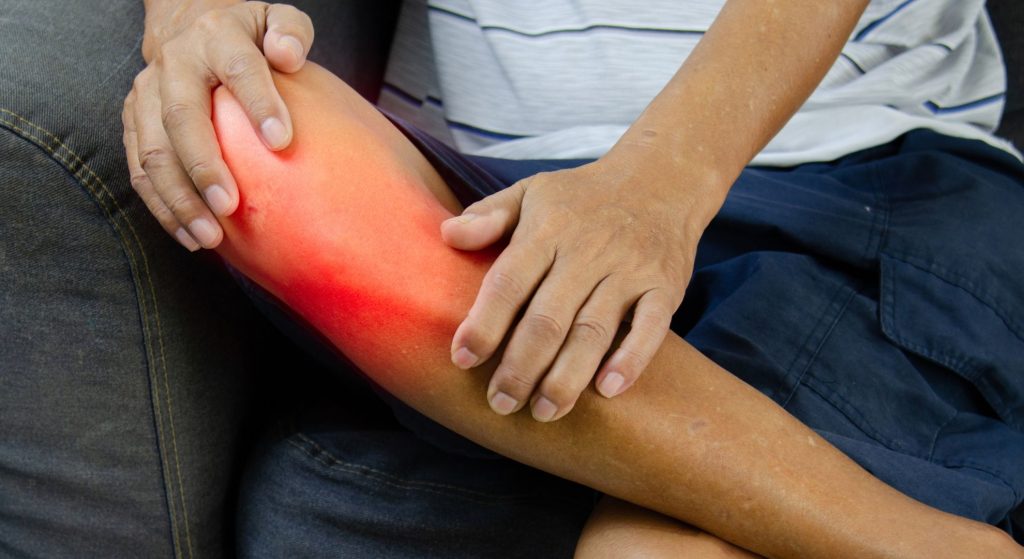
If you’ve been struggling with ongoing tendon pain, you’ve probably heard both terms: tendonitis treatment and tendinosis. They sound similar, but they’re not the same problem – and that means they don’t always respond to the same approach. Understanding the difference can help you choose the right care, avoid making things worse, and get back to moving comfortably again.
What Are Tendons – And Why Do They Hurt?
Your tendons are the strong, fibrous tissues that connect muscle to bone. They help transfer force so you can walk, lift, grip, jump and run. When a tendon becomes painful, it can affect almost everything you do – from climbing stairs to getting dressed or sleeping comfortably.
Most people use the word “tendonitis” for any tendon pain, but that’s not always accurate. Tendonitis and tendinosis describe different processes happening inside the tissue. Knowing which one you’re dealing with is key to choosing the most effective tendonitis treatment and recovery plan.
Tendonitis vs Tendinosis: The Core Difference
The main difference between tendonitis and tendinosis comes down to what’s happening inside the tendon and how long you’ve had symptoms.
Tendonitis is typically a short-term, inflammatory reaction. It often appears after a clear spike in activity – for example, a weekend of heavy gardening, a new gym routine, or an awkward lift. The tendon becomes irritated and inflamed, and pain usually comes on over hours or a few days.
Tendinosis, on the other hand, is a longer-term, degenerative change in the tendon. Instead of classic inflammation, the tendon fibres gradually become disorganised and weaker. This often develops over weeks or months of repeated overload, poor recovery, or underlying biomechanical issues. At this stage, simple rest and anti-inflammatories are rarely enough.
Why the Distinction Matters for Treatment
Because tendonitis is inflammation-driven, early management often focuses on calming irritation and reducing load for a short period. For tendinosis, the priority shifts toward progressive strengthening and tendon remodelling rather than just reducing inflammation. Using the wrong approach can delay healing and keep you stuck in a pain cycle.
This is where a structured assessment can be invaluable. A detailed clinical examination, sometimes supported by imaging, helps identify whether you’re in an early inflammatory phase or a more chronic degenerative stage, so your plan is tailored rather than trial and error.
Common Areas Affected
Both tendonitis and tendinosis can affect almost any tendon, but some hotspots are more common:
- Achilles tendon (back of the ankle)
- Patellar tendon (just below the kneecap)
- Rotator cuff tendons (shoulder)
- Elbow tendons (tennis elbow or golfer’s elbow)
- Wrist and thumb tendons (especially with repetitive work or new hobbies)
If you notice pain in these areas that worsens with activity and eases with rest, you’re likely dealing with a tendon problem that deserves proper evaluation rather than simply “waiting it out”.
How to Tell If You Have Tendonitis or Tendinosis
Only a qualified clinician can give you a clear diagnosis, but there are some typical patterns that can guide you. Understanding these can help you explain your symptoms more clearly and seek the most appropriate tendonitis treatment pathway.
Typical Signs of Tendonitis
Tendonitis usually has a more sudden onset and may follow a specific event. You might notice:
- Pain that started within the last few days or weeks
- Clear trigger, such as a new activity or one-off overload
- Local warmth, swelling or tenderness over the tendon
- Sharp pain when you first move, which may ease slightly with gentle activity
In this early stage, the tendon is inflamed, and your body is actively trying to heal. The goal is to support that process rather than ignore it.
Typical Signs of Tendinosis
Tendinosis tends to creep up more gradually. It’s often described as a “niggling” pain that never quite goes away. Common features include:
- Pain lasting longer than 6–8 weeks
- Morning stiffness or pain that eases slightly as you warm up
- Pain that flares later in the day or the day after activity
- Reduced strength or power in the affected limb
- Thickening or nodules in the tendon area
Because tendinosis is more about tissue quality than inflammation, long-term reliance on rest and anti-inflammatory medication tends to give only short-lived relief, if any.
If you’re unsure which pattern fits you, a focused assessment and examination can clarify what’s going on and guide the most effective next steps.
What Effective Tendonitis Treatment Should Include
Whether you’re dealing with tendonitis or tendinosis, the best results come from a plan tailored to your specific tendon, activity level and goals. There’s no one-size-fits-all protocol, but there are some key principles that good tendonitis treatment usually includes.
1. Load Management – Not Just Rest
Completely resting a tendon for weeks might reduce pain in the short term, but it often leaves the tissue weaker and more vulnerable when you return to normal life. Instead, effective care focuses on smart load management – adjusting how much, how often and how intensely you use the tendon.
This might mean temporarily reducing high-impact activities, modifying work tasks, or changing your training schedule. The aim is to keep you moving within a comfortable range while avoiding the spikes that keep re-irritating the tendon.
2. Targeted Strengthening and Rehab
For tendinosis especially, strengthening is essential. Specific exercises help stimulate collagen remodelling and improve the tendon’s ability to tolerate load again. This often includes:
- Eccentric exercises (slowly lowering against resistance)
- Isometric holds (holding a position without movement) to reduce pain
- Progressive resistance training as pain allows
A structured rehabilitation exercises programme can guide you through the right exercises at the right time, helping you rebuild strength without triggering flare-ups.
Alongside exercise, hands-on care such as manual therapy can help improve joint mobility, reduce muscle tension around the tendon and support more comfortable movement.
Advanced Options for Stubborn Tendon Pain
Sometimes, even with good self-care, your tendon pain lingers. In these cases, more advanced therapies can help “reboot” the healing process and reduce pain so you can progress with rehab.
Shockwave and Other Modalities
For chronic tendinosis, shockwave therapy is one evidence-based option. It uses focused sound waves to stimulate blood flow and tissue repair in stubborn tendons, often those that haven’t responded to rest or basic exercise. This can be particularly useful for conditions like long-standing Achilles or patellar tendinopathy.
At PhysioCraft in Southampton, shockwave is typically used alongside a tailored exercise plan, not instead of it. This combination helps address both pain and the underlying tendon weakness for more lasting results. You can learn more about this option on our shockwave therapy in Southampton page.
Imaging and Diagnostic Support
In some cases – for example, if your symptoms are unclear, severe, or not responding as expected – imaging can help clarify the diagnosis. Ultrasound can show tendon thickness, fibre alignment and any tears or calcification.
This information allows your physiotherapist to fine-tune your tendonitis treatment plan and, if needed, refer you for further medical input. The goal is always to avoid unnecessary interventions while ensuring nothing important is missed.
What You Can Do at Home to Support Healing
While professional guidance is important, there’s a lot you can do yourself to support recovery from both tendonitis and tendinosis. These simple strategies can make a meaningful difference when used consistently.
Listen to Your Pain – But Don’t Fear It
Pain is information, not an enemy. Mild discomfort (often rated 3–4 out of 10) during rehab exercises is usually acceptable and can be part of the healing process. What you want to avoid is sharp, worsening pain or symptoms that spike and stay high for 24 hours or more after activity.
Using this “pain scale” approach helps you stay active without constantly overstepping your tendon’s current tolerance. It’s a more balanced and sustainable strategy than either pushing through severe pain or stopping all activity out of fear.
Supportive Habits That Speed Recovery
Alongside your specific tendonitis treatment, a few lifestyle factors can significantly influence how quickly you improve:
- Sleep: Tissue repair happens while you rest. Aim for consistent, good-quality sleep.
- Nutrition: A balanced diet with adequate protein supports collagen production and healing.
- Gradual progression: When you feel better, increase activity slowly rather than jumping straight back to full intensity.
These may sound basic, but when combined with targeted rehab, they help your tendon respond better to treatment and reduce the risk of relapse.
Frequently Asked Questions
Is tendonitis or tendinosis more serious?
They’re serious in different ways. Tendonitis is often more acutely painful but usually settles faster if managed well. Tendinosis is typically less intense day to day but more persistent and can weaken the tendon over time. Both deserve proper assessment and a structured plan rather than being ignored.
Can tendonitis turn into tendinosis?
Yes. If early tendonitis is repeatedly irritated – for example, by returning too quickly to full activity or relying only on painkillers – the tendon can gradually develop degenerative changes. That’s why early, well-guided tendonitis treatment is so important: it helps you recover fully and reduces the risk of long-term problems.
Do I always need imaging for tendon pain?
Not always. Many tendon problems can be accurately diagnosed with a thorough clinical assessment. Imaging is more likely to be recommended if your symptoms are atypical, severe, not improving with appropriate care, or if a tear or other condition is suspected. Your physiotherapist will discuss whether imaging would meaningfully change your treatment plan.
How long does it take a tendon to heal?
Tendons heal more slowly than muscles. Mild tendonitis may improve within a few weeks with the right care. Chronic tendinosis can take several months to fully settle, even when you’re doing the right things. The key is steady progress rather than expecting overnight change – and having a clear plan so you know what to expect at each stage.
Conclusion: Get the Right Help for Your Tendon Pain in Southampton
Living with ongoing tendon pain can be frustrating and draining, especially when rest, ice and painkillers haven’t solved the problem. Understanding the difference between tendonitis and tendinosis is the first step; the next is getting a personalised plan that fits your life, goals and current tendon health.
At PhysioCraft in Southampton, we combine detailed assessment, evidence-based tendonitis treatment, targeted rehabilitation and, when appropriate, advanced options like shockwave therapy to help you move with confidence again. If you’re ready to find out what’s really going on with your tendon and how to fix it, you can book an appointment at PhysioCraft in Southampton today. Our team is here to guide you step by step back toward pain-free movement.