
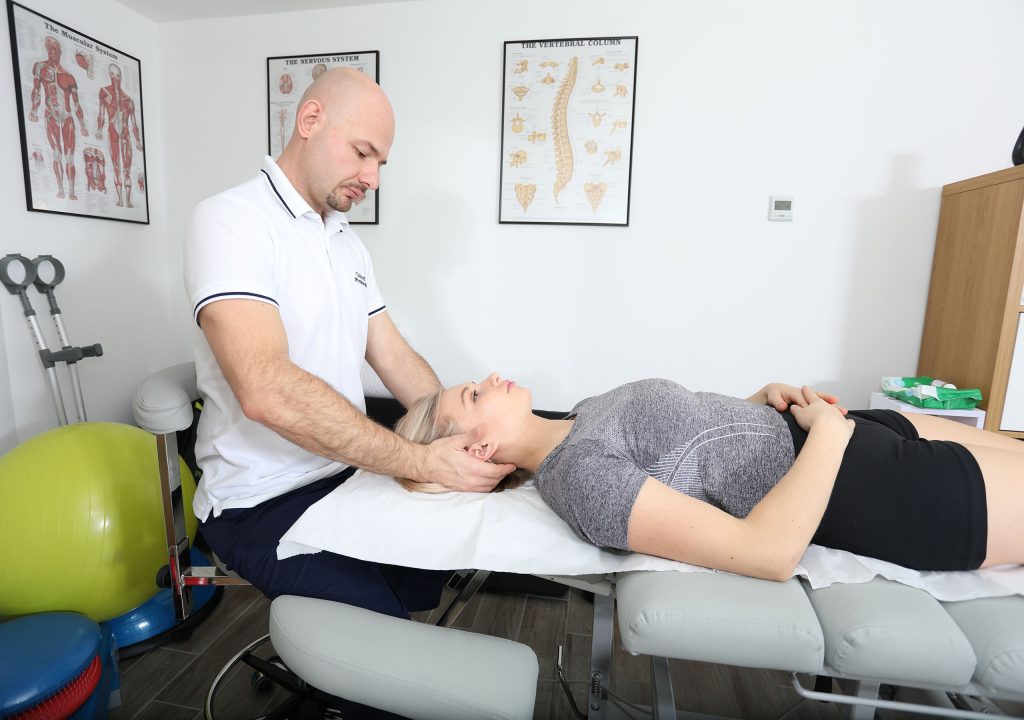
If you’re living with pain, stiffness or recurring injuries, you may be wondering when to see physio and whether it’s really worth booking an appointment. At PhysioCraft in Southampton, we speak to many people who wait months – sometimes years – before seeking help. The result? Problems that could have been simple to treat become more complex, more painful and harder to resolve. This guide will help you understand exactly when you should see a physiotherapist and what you can expect when you do.
Understanding What a Physiotherapist Can Help You With
Before you can decide when to see physio, it helps to know what a physiotherapist actually does. Physiotherapists are movement and musculoskeletal specialists. We assess how your joints, muscles, nerves and soft tissues are working together, then create a tailored plan to reduce pain, restore function and prevent future problems. You don’t need to be an athlete or have a serious injury to benefit – if pain or stiffness is affecting your daily life in Southampton, physiotherapy can often help.
At PhysioCraft, your journey usually starts with a detailed assessment and examination . During this session, we listen to your story, examine your posture and movement, and perform specific tests to identify the root cause of your symptoms. Finding and treating the true cause of your pain – not just the symptoms – is the key to long-term relief.
1. When Pain Lasts Longer Than a Few Days
One of the clearest signs of when to see physio is pain that simply isn’t going away. It’s normal to feel sore for a day or two after heavy gardening, a long walk around Southampton, or trying a new exercise class. But if pain is still there – or getting worse – after 7–10 days, it’s time to take it seriously.
Pain that lingers is often your body’s way of saying something isn’t healing as it should. You might notice that your back aches every evening, your knee is sore every time you walk downstairs, or your shoulder hurts each time you reach overhead. Ignoring persistent pain often leads to compensation patterns – where other muscles and joints take over – which can trigger new problems elsewhere in your body.
Acute vs. chronic pain – when to act
Acute pain is new pain that comes on suddenly, often after a specific activity, fall or awkward movement. Chronic pain is pain that has been present for more than 3 months. You don’t need to wait until pain becomes chronic before deciding when to see physio. In fact, early treatment usually means faster recovery, fewer sessions and a lower risk of long-term issues.
In Southampton, we often see people at PhysioCraft who have been “putting up with it” for months. By the time they arrive, their pain is affecting sleep, mood and work. If you recognise this pattern, it’s a strong sign that now is the right time to see a physiotherapist.
When pain might be an emergency
While physiotherapists can help with most musculoskeletal problems, some pain needs urgent medical attention instead. If you have severe, unexplained pain with chest pain, difficulty breathing, sudden weakness, loss of bladder or bowel control, or unexplained weight loss, you should contact emergency services or your GP immediately. Once serious conditions are ruled out or treated, physiotherapy can then support your recovery and rehabilitation.
2. When Pain or Stiffness Limits Your Daily Activities
Another common sign of when to see physio is when everyday tasks start to feel harder than they should. Maybe you’re struggling to bend down to tie your shoes, carry shopping bags, lift your child, or get in and out of the car. These might seem like minor annoyances, but they’re early warning signs that your body isn’t moving efficiently.
At PhysioCraft in Southampton, we regularly help people who feel they’re “just getting old”, when in reality they’re dealing with treatable stiffness, muscle weakness or joint restriction. Physiotherapy can often restore comfortable movement and help you stay active and independent for longer.
Back and joint pain that keeps coming back
If you’re frequently experiencing back, neck, hip or knee pain, that’s a strong indicator of when to see physio. Recurrent episodes often suggest that the underlying problem hasn’t been properly addressed. For example, back pain may be linked to posture, weak core muscles, restricted joints or old injuries.
Our team at PhysioCraft offers targeted back pain treatment to address these root causes. This may include hands-on therapy, specific exercises and advice on how to sit, stand and move more comfortably during your daily routine in Southampton.
Morning stiffness or “rusty” joints
Do you feel particularly stiff when you first get out of bed, or after sitting for a while? Mild stiffness that eases within a few minutes can be normal. But if it persists, or you feel like you need to “warm up” for a long time before moving comfortably, it’s worth seeking professional advice.
A physiotherapist can assess whether your stiffness is due to joint wear-and-tear, muscle tightness, poor movement patterns or something more serious. Early intervention can slow progression and keep you moving more freely, especially if you’re staying active around Southampton’s parks, coastal paths and city centre.
3. After a Sports Injury or Sudden “Twinge”
If you play sport, go to the gym or enjoy regular walks or runs in Southampton, you may already have wondered when to see physio after a strain, sprain or “twinge”. The answer is: sooner than you think. While rest and ice can help in the first 24–48 hours, they rarely address the full problem.
Without proper assessment and rehabilitation, you risk returning to activity too soon, moving differently to avoid pain, or overloading other areas of your body. This is how a small issue can turn into a recurring or more serious injury. Seeing a physiotherapist early helps you recover fully and safely return to the sport or activity you love.
Sports injuries that need expert support
Common sports injuries we see at PhysioCraft in Southampton include ankle sprains, hamstring strains, runner’s knee, tennis elbow and shoulder injuries from gym workouts. If you notice swelling, bruising, sharp pain, or you can’t fully use the injured area, that’s a clear sign of when to see physio.
Our dedicated sports injury physiotherapy service focuses on accurate diagnosis, hands-on treatment and progressive rehab exercises tailored to your sport. This approach doesn’t just get you back to activity; it also aims to reduce your risk of the same injury happening again.
When pain lingers after exercise
Feeling a bit sore for a day or two after a tough workout is normal. But if pain lasts longer than 72 hours, keeps coming back in the same area, or forces you to change how you move, it’s time to reassess. A physiotherapist can check your technique, training load, footwear and muscle balance to identify what’s really going on.
In some cases, we may recommend specific treatments such as sports massage, joint mobilisation or tailored strengthening programmes to support your recovery. The goal is always the same: helping you stay active, confident and injury-free in your sport and daily life in Southampton.
4. When You’re Recovering From Surgery or a Major Injury
Another crucial moment for deciding when to see physio is after surgery or a significant injury such as a fracture, ligament tear or joint replacement. Even when surgery goes perfectly, the surrounding muscles, joints and soft tissues often become weak, stiff or deconditioned during your recovery.
Without guided rehabilitation, you may never fully regain strength, flexibility or confidence in the affected area. This can limit your independence, especially when you’re trying to get back to work, hobbies or family life in Southampton. Structured physiotherapy helps you rebuild safely and steadily, step by step.
Why guided rehabilitation matters
Following an operation, you’ll usually be given some basic exercises. These are a starting point, not a complete recovery plan. As healing progresses, your body needs more targeted, progressive exercises to restore full function. A physiotherapist will monitor your progress, adjust your programme and make sure you’re not overdoing – or underdoing – your rehab.
At PhysioCraft, we offer tailored rehabilitation exercises designed around your specific surgery, injury and goals. Whether you’re aiming to walk comfortably around Southampton, return to work, or get back to sport, we’ll guide you through each stage safely.
Support for older adults and complex recoveries
Recovery can be more challenging if you’re older, have multiple health conditions, or feel anxious about moving again. That doesn’t mean you should avoid physiotherapy – quite the opposite. Gentle, well-planned rehabilitation can make a huge difference to your balance, confidence and quality of life.
For some people in Southampton, attending the clinic can be difficult, especially in the early stages after surgery or injury. In these cases, home-based care or specialised elderly rehabilitation may be more appropriate, and we can help advise on the best approach for your situation.
5. When You Want to Prevent Future Problems
You don’t always have to be in pain to think about when to see physio. Physiotherapy isn’t only for treating existing issues; it’s also a powerful tool for prevention. If you have a physically demanding job, spend long hours at a desk, or are increasing your training for an event, a check-in with a physiotherapist can help you stay ahead of potential problems.
In Southampton, we see many people at PhysioCraft who choose to come in before starting a new exercise programme or after noticing small niggles that haven’t yet turned into full-blown pain. Addressing minor issues early can save you time, money and discomfort in the long run, and help you stay active with confidence.
Posture, workplace and lifestyle factors
Modern life places a lot of strain on our bodies – especially if you sit at a computer most of the day or commute long distances. Poor posture, an unsuitable workstation or repetitive movements can gradually overload certain muscles and joints. Over time, this can lead to neck pain, headaches, shoulder tension and lower back issues.
A physiotherapist can assess your posture, movement patterns and daily habits, then recommend simple changes and exercises to reduce strain. These might include stretches you can do at your desk, strengthening exercises, or advice on how to set up your workstation more ergonomically in your Southampton home or office.
Staying active as you age
As you get older, you may notice that your balance, strength or flexibility isn’t what it used to be. This can increase your risk of falls and make everyday tasks more tiring. Physiotherapy can play a vital role in helping you stay active, independent and safe.
Targeted exercise programmes, balance training and gentle hands-on treatments can all support healthy ageing. Knowing when to see physio is about listening to your body – if you feel less steady on your feet, more easily fatigued, or worried about falling, it’s wise to seek professional guidance before problems escalate.
6. What to Expect at Your First PhysioCraft Appointment in Southampton
Understanding what happens in a session can make it easier to decide when to see physio. At PhysioCraft in Southampton, your first appointment is all about listening, understanding and planning. We’ll start with a detailed conversation about your symptoms, medical history, lifestyle and goals. This is your chance to explain what’s been going on and what you’d like to get back to doing.
Next, we’ll perform a thorough physical assessment. This may include checking your posture, how you walk, your joint range of motion, muscle strength, flexibility and specific tests related to your pain. This careful assessment allows us to identify the true source of your problem, rather than just treating where it hurts.
Treatment options tailored to you
Based on your assessment, we’ll discuss a clear treatment plan with you. This might include hands-on techniques such as manual therapy, massage, joint mobilisation or soft tissue work, combined with specific exercises to do at home. We’ll also give you practical advice on how to manage your symptoms day to day and make helpful changes in your routine.
Throughout your time with us in Southampton, you’ll be encouraged to ask questions and give feedback. Physiotherapy is a partnership – we bring the clinical expertise, and you bring your goals and commitment. Working together, we aim to help you move better, feel better and get back to the activities you enjoy.
Frequently Asked Questions
How do I know if I should see a physio or my GP first?
If you have new pain after a minor injury, ongoing back or neck pain, stiffness, or a sports injury, a physiotherapist is usually a good first point of contact. However, if you have severe pain with fever, unexplained weight loss, chest pain, breathing difficulties, or changes in bladder or bowel control, you should contact your GP or emergency services first. Once serious conditions are ruled out, physiotherapy can support your recovery.
Do I need a referral to see a physiotherapist in Southampton?
In most cases, you don’t need a referral from your GP to see a physiotherapist at PhysioCraft in Southampton. You can book directly, which often means you can start treatment sooner. Some insurance providers may require a referral, so it’s worth checking your policy if you plan to claim.
How many sessions will I need?
The number of sessions you’ll need depends on the nature and severity of your problem, how long you’ve had it, and your personal goals. Some people feel significantly better after just a few sessions, while more complex or long-standing issues may require a longer course of treatment. Your physiotherapist will discuss this with you after your initial assessment and review your progress regularly.
Can physiotherapy help even if I’ve had pain for years?
Yes. Even if you’ve had pain for a long time, physiotherapy can often still make a meaningful difference. While long-standing issues may take longer to improve, many people in Southampton find that targeted treatment and exercises reduce their pain, improve their mobility and help them cope better day to day. It’s rarely “too late” to seek help and reassess your options.
Conclusion: Is Now the Right Time to See a Physiotherapist?
If you’re still wondering when to see physio, ask yourself these questions: Is pain or stiffness affecting your daily life? Have you had a recent injury or surgery? Are you worried about your mobility, balance or independence? Are you avoiding activities you used to enjoy around Southampton because of discomfort or fear of making things worse?
If you answered “yes” to any of these, then now is likely the right time to take action. You don’t have to live with ongoing pain or restriction. At PhysioCraft in Southampton, we’re here to listen, assess and guide you towards a clearer, more confident path to recovery.
To take the first step, you can book an appointment online with PhysioCraft in Southampton and start moving towards a more comfortable, active life today.