
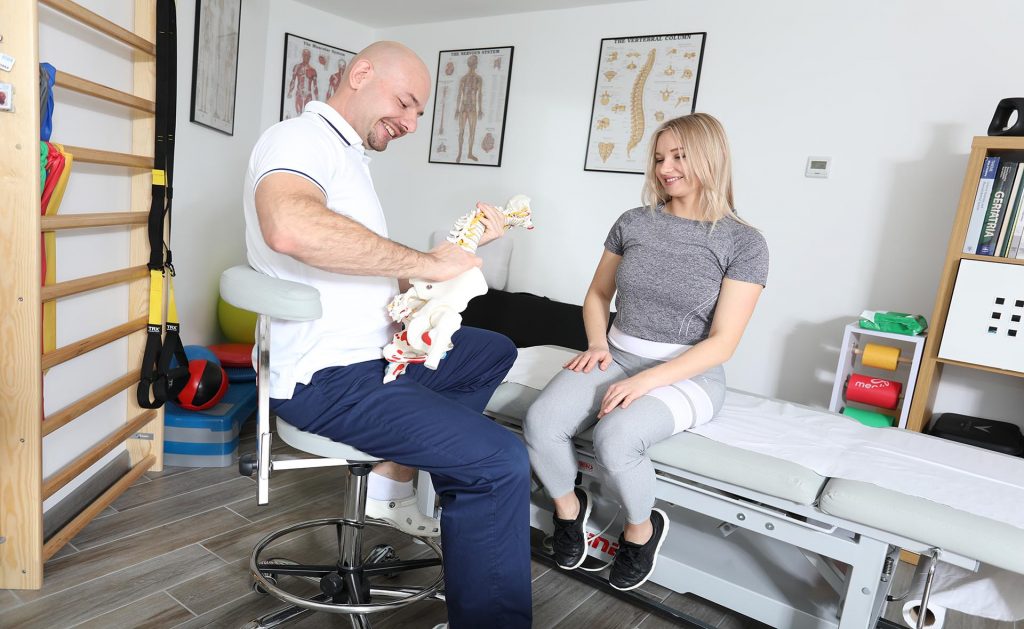
If you’re living with ongoing pain, stiffness or an injury, you might be wondering about physio vs surgery and which route will actually help you get your life back. At PhysioCraft in Southampton, many people come to us worried that surgery is their only option. The good news? In many cases, the right physiotherapy plan can reduce pain, restore movement and even help you avoid surgery altogether.
Understanding Physio vs Surgery: What’s Really the Difference?
When you think about physio vs surgery, it can feel like you’re choosing between two completely different worlds. Surgery is often seen as the “quick fix”, while physiotherapy is seen as the slower, more conservative option. In reality, both have their place, and the best choice depends on your body, your goals and the specific problem you’re dealing with.
Surgery usually aims to repair or remove damaged tissue. It can be life-changing when it’s genuinely needed, but it also comes with risks: anaesthetic complications, infections, scar tissue, and a significant recovery period. Physiotherapy, on the other hand, focuses on restoring movement, strength and function by working with your body’s natural healing processes. For many people in Southampton, this means avoiding an operation, or at least delaying it for many years.
At PhysioCraft, your physiotherapist will carefully assess your condition and explain whether conservative care is likely to help. We often see patients who have been told surgery is their only option, only to discover that targeted treatment, education and exercise can dramatically improve their symptoms and function.
How Physiotherapy Helps You Avoid Surgery
One of the biggest advantages of choosing physio vs surgery is that physiotherapy tackles the underlying causes of your pain, not just the symptoms. This means you’re not only aiming for short-term relief, but for long-term resilience and confidence in your body.
Through hands-on treatment, tailored exercises and lifestyle advice, physiotherapy can reduce inflammation, improve joint alignment, strengthen weak muscles and calm irritated nerves. In Southampton, we see this every day with people who thought they were “too far gone” for anything other than an operation.
Reducing Pain and Inflammation Naturally
Pain often comes from irritated tissues, overloaded joints or tight, protective muscles. Physiotherapy uses techniques such as manual therapy, massage and specific movement patterns to calm these structures down. At PhysioCraft, we may also use specialist treatments like hands-on manual therapy for joint and soft tissue pain to ease stiffness and improve mobility.
By settling inflammation and reducing muscle tension, you may find your pain levels drop significantly. For some people, this improvement alone is enough to put surgery on hold or remove it from the table completely.
Restoring Strength and Stability
Weak or poorly coordinated muscles can place extra stress on joints, discs and ligaments. This is where rehabilitation exercises, movement retraining and progressive loading come in. Your physiotherapist designs a structured programme to strengthen the right muscles in the right way, so your body can support itself again.
When your muscles are doing their job properly, your joints are under less strain and your pain often reduces. For many Southampton patients, this is the turning point where they realise they can walk further, work more comfortably or return to hobbies without immediately thinking about surgery.
Common Conditions Where Physiotherapy Can Help You Delay or Avoid Surgery
Not every condition is suitable for conservative treatment alone, but there are many situations where choosing physio vs surgery first makes a lot of sense. In some cases, physiotherapy can fully resolve the problem; in others, it can delay the need for surgery or improve your outcome if you eventually go ahead with an operation.
At PhysioCraft in Southampton, we regularly help people with back pain, joint problems and sports injuries explore all non-surgical options before they commit to an invasive procedure. Here are some examples where physiotherapy can be particularly effective.
Back Pain, Sciatica and Spinal Issues
Back pain is one of the most common reasons people consider surgery. However, research consistently shows that for many types of back pain and sciatica, structured physiotherapy is as effective as surgery in the long term. Our specialist back pain treatment in Southampton focuses on easing pain, improving spinal mobility and building core strength.
By combining hands-on treatment, specific exercises and education about posture and movement, you may find that your symptoms become far more manageable. For some people, this means they can avoid spinal surgery entirely. For others, it allows them to delay surgery until it’s absolutely necessary, all while staying active and independent.
Knee, Hip and Shoulder Problems
Arthritis, cartilage tears, rotator cuff injuries and other joint problems can make everyday tasks painful. It’s easy to feel that joint replacement or arthroscopy is the only solution. Yet in many cases, a focused physiotherapy plan can significantly reduce pain and improve function without going under the knife.
Strengthening the muscles around your joints, improving alignment and working on balance can all reduce the load on damaged areas. For example, strengthening the hips and core often takes pressure off the knees, while shoulder rehabilitation can help you lift, reach and sleep more comfortably. Many of our Southampton patients are surprised at how much better they feel after committing to a personalised programme.
What to Expect from Physiotherapy at PhysioCraft in Southampton
Choosing physio vs surgery can feel like a big decision, especially if you’ve been in pain for a long time. Understanding what actually happens in physiotherapy can make the process feel less daunting and more hopeful. At PhysioCraft, your care starts with a thorough assessment and a clear plan tailored to you.
We don’t believe in one-size-fits-all treatment. Your body, your lifestyle and your goals are unique, so your physiotherapy should be too. From your very first appointment in Southampton, we focus on understanding your story and what you want to get back to doing.
Comprehensive Assessment and Clear Diagnosis
Your journey usually begins with a detailed assessment and examination. Your physiotherapist will ask about your symptoms, your medical history and what makes your pain better or worse. They’ll then perform specific tests to understand how your joints, muscles and nerves are working. When appropriate, we can also use diagnostic ultrasound scanning in Southampton to get a clearer picture of what’s happening inside the affected area.
This thorough approach helps us confirm whether physiotherapy is likely to help and whether surgery is necessary or can be safely postponed. You’ll leave your assessment with a clear explanation of your condition and a realistic treatment plan.
Personalised Treatment Plan Using Evidence-Based Techniques
Once we understand your condition, we build a treatment plan that may include a combination of manual therapy, tailored exercises and pain-relieving modalities. At PhysioCraft in Southampton, this could involve joint mobilisation, soft tissue release, sports massage, taping techniques or progressive strength and stability work.
We also place a strong emphasis on education. Understanding why your pain is happening and how your daily habits affect it puts you back in control. You’ll learn how to move, sit, stand and exercise in ways that support healing instead of aggravating the problem. For many people, this knowledge is a key factor in avoiding unnecessary surgery.
When Surgery Might Still Be the Right Option
While physiotherapy can be a powerful alternative, there are times when, in the discussion of physio vs surgery, surgery genuinely is the safest and most effective route. Severe structural damage, major trauma or progressive neurological symptoms may require surgical intervention to protect your long-term health.
At PhysioCraft in Southampton, our role is not to “sell” you physiotherapy at all costs. Our priority is your wellbeing. If we believe that surgery is necessary or that physiotherapy alone is unlikely to give you the results you need, we will explain this openly and help you understand your options.
Physiotherapy Before and After Surgery
Even when surgery is required, physiotherapy still plays a crucial role. Pre-surgery rehabilitation (often called “prehab”) focuses on getting you as strong and mobile as possible beforehand. This can lead to faster recovery and better outcomes after your operation.
Post-surgery, physiotherapy helps you regain movement, rebuild strength and safely return to your normal activities. So even if surgery is on the cards, working with a physiotherapist in Southampton can make the whole journey smoother and more successful.
Making an Informed Decision Together
Deciding between physio vs surgery is rarely black and white. It often involves weighing up your pain levels, how much your condition affects your life, your general health and how you feel about different types of treatment. We’ll talk through these factors with you so you can make a decision that feels right and realistic.
Sometimes, a trial of physiotherapy is the best next step. If you make good progress, you may be able to avoid surgery. If your symptoms don’t improve as expected, you’ll at least be better prepared, stronger and more informed if you do go ahead with an operation later.
How to Decide If Physiotherapy Is Right for You
If you’re unsure about physio vs surgery, it can help to step back and look at your situation as a whole. Ask yourself how long you’ve had your symptoms, what you’ve already tried, and how open you are to making changes in your lifestyle and activity levels.
Physiotherapy tends to work best when you’re ready to be actively involved in your recovery. It’s not a passive “quick fix”, but a partnership between you and your therapist. In Southampton, we see the best results when people commit to their exercises, attend their sessions regularly and communicate openly about what is and isn’t working.
Questions to Ask Before Choosing Surgery
Before you commit to an operation, consider asking your healthcare team questions like:
- Have I tried a structured course of physiotherapy for at least several weeks or months?
- What are the realistic benefits and risks of surgery in my case?
- How long is the recovery time, and what support will I need?
- Could physiotherapy before and after surgery improve my outcome?
If you haven’t yet explored physiotherapy properly, it’s often worth doing so first. Many of our Southampton patients find that this step alone gives them enough relief and confidence to postpone or avoid surgery.
Working with PhysioCraft in Southampton
At PhysioCraft, we’re here to help you understand your options clearly and honestly. Whether you’re dealing with long-term back pain, a recent sports injury or joint problems that are starting to limit your life, we’ll guide you through what physio vs surgery could look like specifically for you.
Your treatment might include targeted rehabilitation exercises to support long-term recovery or a combination of hands-on techniques and tailored home programmes. Our goal is simple: to help you move with less pain, more confidence and a clearer understanding of your body.
Frequently Asked Questions
Can physiotherapy really replace surgery?
In some cases, yes. For many back, joint and soft tissue problems, a well-structured physiotherapy programme can reduce pain and improve function enough that surgery is no longer needed. However, it depends on the severity and nature of your condition. Your physiotherapist in Southampton will assess you thoroughly and explain whether conservative treatment is likely to be effective.
How long should I try physiotherapy before considering surgery?
This varies from person to person, but many people see meaningful improvements within 6–12 weeks of consistent treatment and home exercises. For long-standing or complex issues, you may need a longer period. If you’re not seeing any change at all, your physiotherapist can help you reassess and, if needed, discuss surgical options with your wider healthcare team.
Is physiotherapy painful?
You might feel some discomfort as you start moving areas that have been stiff or protected for a long time, but physiotherapy should never feel like punishment. At PhysioCraft in Southampton, we work within your tolerance, adjusting techniques and exercises so you feel challenged but safe. Any soreness should be temporary and is usually a sign that your body is adapting.
Do I need a referral for physiotherapy in Southampton?
In most cases, you don’t need a GP referral to start physiotherapy at PhysioCraft. Many people choose to come directly to us when they’re weighing up physio vs surgery and want an expert opinion on their options. If we feel you need further medical investigations or a surgical opinion, we’ll let you know and can liaise with your GP or consultant.
Conclusion: Take the Next Step Towards Fewer Pills, Less Pain and More Freedom
Facing the choice between physio vs surgery can feel overwhelming, but you don’t have to navigate it alone. Physiotherapy offers a powerful, evidence-based way to reduce pain, improve movement and, in many cases, avoid or delay surgery. At PhysioCraft in Southampton, we’re committed to helping you understand your body, explore all your options and make decisions that support your long-term health and independence.
If you’re ready to find out whether physiotherapy could help you sidestep surgery, book a thorough assessment with our team in Southampton today. You can get started by using our online booking system at book an appointment at PhysioCraft in Southampton. Together, we’ll create a clear, personalised plan to help you move better, feel better and get back to the life you love.