
If you are struggling to lift your arm, get dressed, or sleep because of shoulder pain, you are not alone. Many people come to PhysioCraft in Southampton asking how long frozen shoulder physio will take and when they can expect to feel normal again. The honest answer is: it depends. But with the right guidance, treatment plan, and realistic expectations, you can steadily move from stiffness and pain back to confident, comfortable movement.
What Is Frozen Shoulder and Why Does It Take So Long to Heal?
Before you can understand how long frozen shoulder physio might take, it helps to know what is actually happening inside your shoulder. Frozen shoulder, or adhesive capsulitis, occurs when the capsule around your shoulder joint becomes inflamed, thickened, and tight. This makes everyday movements feel stiff, painful, and sometimes almost impossible.
Unlike a simple muscle strain, frozen shoulder follows a more complex pattern. It is not just about weak muscles; it is about the joint capsule itself becoming less flexible. That is why it can take months, not days, to fully recover. The good news is that with the right treatment in Southampton, you can usually speed up recovery and avoid long-term problems.
The Three Stages of Frozen Shoulder
Frozen shoulder typically progresses through three main stages, and your recovery time will depend on which stage you are in when you start treatment:
- Freezing stage: Pain is the main problem. Your shoulder becomes more and more painful, especially at night, and your movement gradually reduces.
- Frozen stage: Pain may ease slightly, but stiffness becomes severe. Everyday tasks like dressing or reaching overhead feel very restricted.
- Thawing stage: Movement slowly returns and pain continues to reduce. This is when many people feel real progress with targeted physiotherapy.
Each stage can last several months. Without support, the whole process can take 1–3 years. With structured physiotherapy in Southampton, you can often shorten this timeline and regain function more efficiently.
Common Symptoms You Might Notice
You might suspect frozen shoulder if you notice a combination of deep, aching pain and a very clear limit to how far your arm can move. Pain often worsens at night, especially if you roll onto the affected side. Simple tasks like putting on a jacket, fastening a bra, or reaching into a cupboard can suddenly feel like a major challenge.
If this sounds familiar, getting a professional assessment early can help confirm what is going on and guide you into the right stage-appropriate treatment plan.
How Long Does Frozen Shoulder Treatment Usually Take?
One of the most common questions we hear at PhysioCraft in Southampton is, “How long will this take to get better?” While every shoulder is different, we can give you realistic ranges based on what we see in clinic and current evidence.
Without any treatment, frozen shoulder can take up to three years to fully resolve. However, with a tailored frozen shoulder physio plan, many people notice meaningful improvement in pain and movement within 6–12 weeks, and continue to progress over the following months.
Typical Recovery Timeline With Physiotherapy
Here is a general guide to what you might expect when you start treatment in Southampton:
- First 2–4 weeks: The focus is on pain relief, gentle mobility, and understanding your condition. Many people notice night pain easing and feel more in control.
- 4–12 weeks: With consistent exercises and hands-on treatment, you can usually see clear gains in your range of motion, especially in lifting your arm and reaching behind your back.
- 3–9 months: Strength and mobility continue to improve. You may still notice some stiffness at the end of movement, but everyday tasks become much easier.
- 9–18 months: For many, this is when the shoulder feels “almost normal” again, with only occasional tightness or mild discomfort at extremes of movement.
These are averages, not rules. Your age, general health, work demands, and how long you have had symptoms will all influence your journey. The key is that consistent, guided treatment usually speeds up recovery compared to simply waiting and hoping it will go away.
Factors That Affect Your Recovery Time
Several factors can make your frozen shoulder heal faster or slower:
- Stage when you start treatment: Early intervention in the freezing stage can help manage pain and reduce long-term stiffness.
- Underlying health conditions: Conditions like diabetes or thyroid problems are linked with slower recovery and a higher chance of frozen shoulder.
- How consistently you do your exercises: The most effective programme in the world only works if you actually follow it. Short, regular sessions at home often beat occasional long sessions.
- Type of work and daily demands: Repetitive overhead work or heavy lifting can irritate the shoulder, while a more flexible routine can support healing.
At PhysioCraft in Southampton, your physiotherapist will factor all of this into your plan, so you know what is realistic for you, not just for the “average” person.
What Does Frozen Shoulder Physio Involve?
A good frozen shoulder physio plan is not a one-size-fits-all sheet of exercises. It is a structured, stage-based approach tailored to your pain level, movement, lifestyle, and goals. At PhysioCraft in Southampton, your treatment usually begins with a detailed assessment and then progresses through a combination of hands-on therapy, targeted exercises, and pain-relieving techniques.
In your first session, your physiotherapist will listen to your story, assess your shoulder movement, and check for other possible causes of pain. They may also suggest further tests or imaging where needed to confirm the diagnosis and rule out other issues.
Assessment and Diagnosis
The starting point for effective treatment is a thorough assessment. At PhysioCraft, we offer a detailed comprehensive physiotherapy assessment and examination to understand exactly what is happening with your shoulder.
During this assessment, your physiotherapist will:
- Check how far you can move your arm in different directions.
- Test muscle strength and identify any protective guarding or spasms.
- Ask about your work, hobbies, and sleep to see how your shoulder is affecting daily life.
- Discuss your medical history, including diabetes, previous injuries, or surgery.
This helps build a clear picture so your treatment is safe, targeted, and designed around your specific needs and recovery timeline.
Hands-On Treatment and Pain Relief
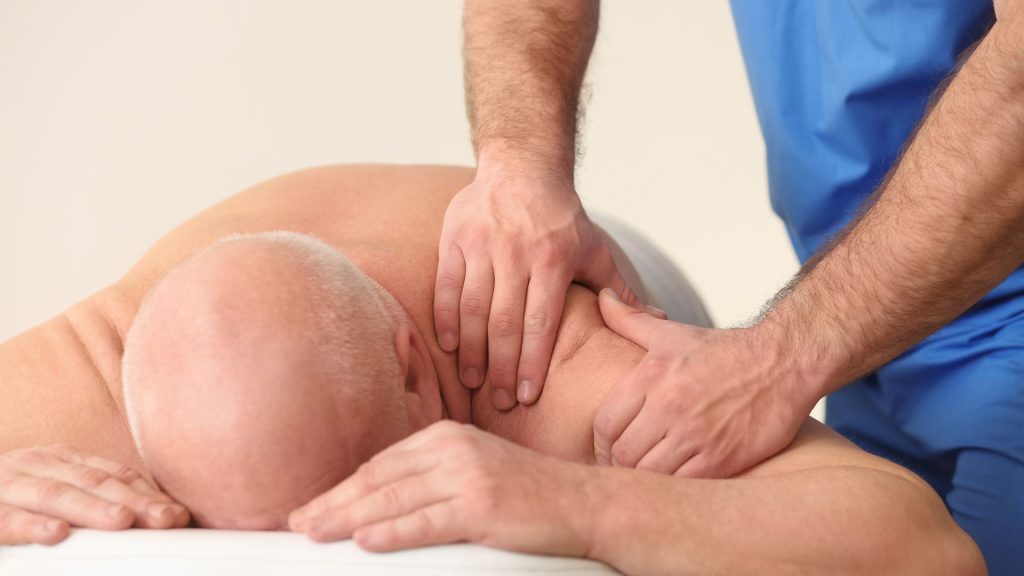
Once the assessment is complete, your physiotherapist may use a combination of manual therapy techniques to help reduce pain and gently improve movement. At PhysioCraft, this can include joint mobilisation, soft tissue techniques, and guided stretches. You can learn more about these approaches on our manual therapy for shoulder pain page.
Hands-on treatment aims to:
- Reduce muscle tension around the shoulder and neck.
- Improve the glide and mobility of the joint capsule.
- Make your exercises more comfortable and effective.
In some cases, additional modalities such as ultrasound therapy or other pain-relieving treatments may be recommended to support your recovery and make movement easier.
Exercise: The Key to Regaining Shoulder Movement
While hands-on treatment can make a big difference, the real engine of recovery in frozen shoulder physio is a structured exercise programme. Your shoulder needs gentle but consistent movement to remodel the tight capsule and restore function. This is where your commitment at home becomes essential.
Your physiotherapist at PhysioCraft in Southampton will design a programme that changes as you improve. Early on, exercises are usually small and pain-sensitive. Later, they become more challenging to rebuild strength and control.
Types of Exercises You Might Be Given
Most frozen shoulder exercise plans include a mix of:
- Pendulum exercises: Using gravity to create small, controlled swings of the arm to ease stiffness.
- Assisted stretches: Using your other hand, a stick, or a towel to help move the affected arm further than it can go alone.
- Wall or table slides: Gently sliding your hand up a wall or across a table to improve overhead and forward reach.
- Rotational movements: Focused exercises to restore turning movements, such as reaching behind your back or head.
As your pain settles and movement improves, strengthening exercises for the shoulder blade and rotator cuff muscles are added. This helps you maintain your new range of motion and reduces the risk of future problems.
How Often Should You Do Your Exercises?
Your physiotherapist will guide you, but as a general rule, short, regular sessions throughout the day work best. This might mean 5–10 minutes of gentle movement two to four times daily, adjusted to your pain levels and stage of recovery.
Overdoing it can flare up your symptoms, while doing too little can slow progress. That is why having a clear, personalised plan from a physiotherapist in Southampton can make such a big difference to your overall recovery time.
For more structured support with your home programme, you may also benefit from our tailored rehabilitation exercise plans for shoulder conditions designed to fit around your daily routine.
When Should You Seek Professional Help for Frozen Shoulder?
Many people wait months, hoping their shoulder will “just get better.” Unfortunately, with frozen shoulder, this often leads to more stiffness, more pain, and a longer recovery overall. Starting frozen shoulder physio earlier in Southampton can help you manage pain better and protect your long-term shoulder health.
You should strongly consider seeing a physiotherapist if:
- Your shoulder pain has lasted more than a few weeks and is not improving.
- Night pain is disturbing your sleep regularly.
- You notice a clear loss of movement, especially when lifting your arm or reaching behind your back.
- Everyday tasks like dressing, driving, or working are becoming difficult.
Even if you are already well into the frozen stage, physiotherapy can still help. It might not change the underlying biology overnight, but it can guide you through the process with less pain, better function, and more confidence.
What to Expect at PhysioCraft in Southampton
At PhysioCraft, you will be seen by a physiotherapist experienced in managing shoulder conditions, including frozen shoulder. We work with you to set realistic goals and timeframes, so you know what to expect at each stage of your recovery.
Depending on your presentation, we may also recommend additional approaches such as ultrasound therapy for shoulder pain to support tissue healing and reduce discomfort, especially in the early, more painful stages.
Our goal is simple: to help you move from pain and frustration towards confidence and freedom of movement, with a clear plan and ongoing support.
Frequently Asked Questions
How long does frozen shoulder last with physiotherapy?
With a consistent frozen shoulder physio programme, many people in Southampton notice a clear improvement in pain and movement within 6–12 weeks. Full recovery can still take several months, and in some cases up to a year or more, but physiotherapy usually shortens the overall process and helps you function better along the way.
Can frozen shoulder go away on its own?
Yes, frozen shoulder can eventually improve without treatment, but this can take up to three years, and you may be left with ongoing stiffness or weakness. Physiotherapy helps manage pain, maintain movement, and reduce the risk of long-term limitations, making the journey much more manageable.
Is frozen shoulder physio painful?
Some discomfort during stretching is normal, but your exercises should not cause sharp or severe pain that lingers. Your physiotherapist in Southampton will work within your pain limits and adjust your plan so that you are challenging the joint safely without over-irritating it.
Do I need a scan before starting treatment?
Not always. In many cases, a detailed clinical assessment is enough to diagnose frozen shoulder. Scans or further tests may be recommended if your physiotherapist suspects another condition or if your progress is not as expected. Your therapist will explain if additional investigations could help your case.
Conclusion: Take the First Step Towards a Freer Shoulder
Frozen shoulder can feel overwhelming, especially when it affects your sleep, work, and independence. But you do not have to wait in pain and hope it will eventually pass. With a structured frozen shoulder physio plan, clear guidance, and the right support in Southampton, you can actively move your shoulder towards recovery instead of simply enduring it.
If you are ready to understand what is happening with your shoulder and start a tailored treatment plan, you can book a physiotherapy appointment at PhysioCraft in Southampton today. If you would like to discuss your symptoms first, feel free to get in touch via our contact page to see how we can help you move more freely and confidently again.