
If you’re struggling to stand up, sit down, or even sleep because of a dull ache or sharp twinge in your lower back, you’re not alone. Lower back pain treatment doesn’t have to be complicated, and there are several safe, effective ways to get back pain relief fast while also protecting your spine for the future. At PhysioCraft in Southampton, we help people just like you move from constant discomfort to confident, comfortable movement every day.
Understanding Your Lower Back Pain (So You Can Fix It Faster)
When your lower back suddenly “goes,” it can feel scary. You might worry you’ve done something serious or that you’ll never feel normal again. In reality, most lower back pain is caused by a combination of muscle strain, joint stiffness, and poor movement habits, rather than something permanently damaging. The good news is that these issues usually respond very well to the right lower back pain treatment.
Your lower back is made up of vertebrae (spinal bones), discs, joints, ligaments, and muscles. When these structures become overloaded – for example, from lifting awkwardly, sitting too long, or moving in a way your body isn’t used to – they can become irritated and painful. This irritation often triggers muscle spasm and stiffness, which is why you may feel tight, restricted, and afraid to move.
Understanding that most lower back pain is mechanical and treatable can be reassuring. Instead of panicking or avoiding movement entirely, you can focus on gentle, targeted strategies that calm the pain and restore normal function. That’s the foundation of effective back pain relief fast: reduce irritation, improve movement, and support healing.
Immediate Steps to Get Back Pain Relief Fast at Home
When your lower back flares up, the first thing you want is simple: relief. While every situation is unique, there are proven strategies you can safely try at home to ease pain and stiffness quickly. These won’t replace a full assessment, but they can make a big difference in how you feel over the next 24–72 hours.
One of the most important principles is to keep gently moving. Total bed rest often makes lower back pain worse, not better. Short, frequent walks around your home, gentle hip and back movements, and changing position regularly can reduce stiffness and help your muscles relax. Aim to avoid any movements that cause sharp, shooting pain, but don’t be afraid of mild discomfort – that’s often part of the healing process.
Heat, Positioning and Gentle Movement
Applying gentle heat to your lower back can help relax tight muscles and provide soothing comfort. A warm shower, hot water bottle wrapped in a towel, or heat pack used for 10–15 minutes at a time can be very effective. Pair this with comfortable resting positions, such as lying on your back with your knees bent and supported by pillows, or on your side with a pillow between your knees.
After using heat, try a few slow pelvic tilts while lying on your back – flattening your lower back gently into the bed and then relaxing. This encourages blood flow and reduces stiffness without placing stress on irritated tissues. Small, frequent sets of these movements across the day are usually better than one long session.
When to Use Ice Instead of Heat
If your pain started after a specific incident – such as lifting something heavy or twisting suddenly – and the area feels hot or acutely inflamed, ice may be more comfortable in the first 24–48 hours. Wrap an ice pack or bag of frozen peas in a thin towel and apply for 10–15 minutes, checking your skin regularly. Alternate between periods of ice and gentle movement to avoid stiffening up.
Whether you choose heat or ice, remember they are tools for symptom relief, not a complete lower back pain treatment. If your pain in Southampton isn’t easing after a couple of days, or it keeps returning, it’s time to look deeper at the underlying cause.
Safe Stretches and Exercises to Ease Lower Back Pain
Once the very sharp pain begins to calm, gentle stretching and specific exercises can help you get back pain relief fast and prevent your symptoms from lingering. The key is to choose movements that feel safe and controlled, rather than forcing your body into extreme positions. If anything triggers sharp shooting pain down your leg, stop and seek professional advice.
Start with low-load, comfortable movements that encourage your spine and hips to move again. These can reduce muscle guarding (the way your muscles “lock up” to protect you) and restore normal movement patterns. In Southampton, we often see that people’s backs stay sore longer than necessary simply because they’re afraid to move. The right guidance can break that cycle.
Simple Mobility Exercises You Can Try
One of the most helpful starting exercises is the “knee to chest” movement. Lying on your back with your knees bent, gently bring one knee towards your chest using your hands, hold for 5–10 seconds, then lower and repeat with the other leg. Stay within a comfortable range – you should feel a stretch, not a strain. This can ease tension in your lower back and glutes.
Another useful movement is the “cat-camel” exercise. Position yourself on your hands and knees, then slowly arch your back up towards the ceiling, followed by gently letting it relax and dip slightly towards the floor. Move slowly and smoothly, breathing throughout. This helps lubricate the joints of your spine and can reduce stiffness.
Building Gentle Strength for Ongoing Support
As your pain settles, adding light strengthening exercises is essential. Your core, glutes, and hip muscles all support your lower back. When they’re weak or not working well together, your back takes more strain. Simple exercises like gentle bridges (lying on your back and lifting your hips a few centimetres off the bed) can be a great starting point.
For many people, a tailored programme of rehabilitation exercises for back and core strength is the turning point where pain stops being a recurring problem. At PhysioCraft, we design these programmes specifically around your current pain levels, lifestyle, and goals, so they feel achievable rather than overwhelming.
When to See a Professional for Lower Back Pain Treatment
While many episodes of lower back pain will improve with sensible self-care, there are times when you should seek professional help. If your pain has lasted more than a week with little improvement, is getting worse, or keeps coming back, it’s a sign that something in the way you move, sit, or load your body needs expert attention.
You should also seek urgent medical assessment if you experience red flag symptoms such as loss of bladder or bowel control, significant weakness in your legs, or numbness in the saddle area. These are rare, but they do require immediate medical care. For most people in Southampton, however, the issue is mechanical back pain that responds well to focused, hands-on lower back pain treatment.
What to Expect from a Professional Assessment
A thorough assessment doesn’t just look at your painful area; it considers how you move as a whole. At PhysioCraft, your clinician will ask about when your pain started, what makes it better or worse, and how it affects your daily life. They’ll then examine your posture, movement patterns, joint mobility, and muscle strength to identify what’s driving your symptoms.
This type of detailed assessment and examination of your spine and posture allows us to create a targeted plan rather than guessing. Instead of generic exercises, you get specific strategies tailored to your body and your lifestyle in Southampton, helping you get back pain relief fast and keep it that way.
Hands-On Treatment Options That Can Speed Up Recovery
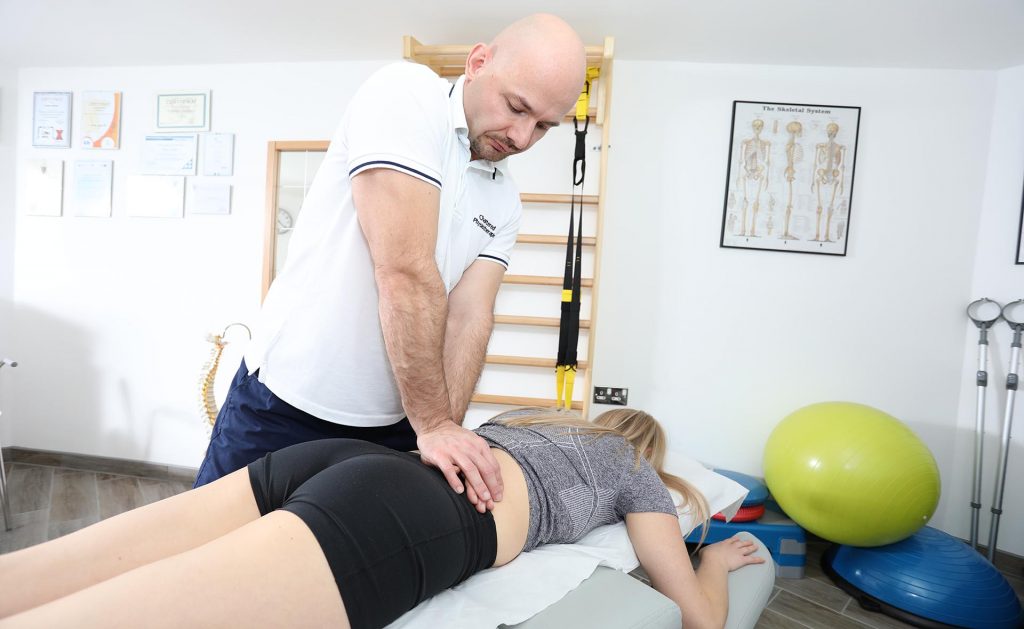
Many people find that hands-on treatment is a crucial part of their recovery, especially in the early stages when movement feels limited and painful. Techniques such as joint mobilisation, soft tissue work, and gentle manual therapy can reduce muscle tension, improve joint movement, and calm irritated tissues.
At PhysioCraft in Southampton, we often combine manual therapy for lower back and pelvic joints with specific exercises and education. This integrated approach helps you feel better quickly while also giving you the tools to manage your back confidently in the long term.
Lifestyle Changes That Help Keep Lower Back Pain Away
Getting out of pain is the first step. Staying out of pain is the real goal. Many of the habits that contribute to lower back pain are part of everyday life – sitting at a desk, driving long distances around Southampton, lifting children, or doing manual work without adequate support. Small, consistent changes can make a big difference to how your back feels day to day.
One simple change is to break up long periods of sitting. Aim to stand, walk, or stretch for a couple of minutes every 30–45 minutes. Adjust your chair so your feet are flat on the floor, your hips are slightly higher than your knees, and your lower back has gentle support. Your screen should be at eye level to avoid slumping forward.
Strength, Posture and Everyday Movement
Improving your general strength and fitness is one of the most reliable ways to protect your lower back. Activities such as walking, swimming, or low-impact gym work can all help, as long as you build up gradually. Focus on exercises that strengthen your hips, glutes, and core, as these muscles share the load with your spine.
Pay attention to how you bend and lift in daily life. Whenever possible, hinge at your hips, keep the object close to your body, and avoid twisting while lifting. These small technique changes reduce strain on your lower back and can significantly lower the risk of another painful episode.
Managing Stress and Sleep for Better Back Health
Stress and poor sleep can both make pain feel worse. When you’re tense, your muscles tend to tighten, including those in your neck, shoulders, and lower back. Learning simple relaxation techniques, such as deep breathing or gentle stretching before bed, can help reduce this tension.
Try to create a sleep environment that supports your back. A mattress that is not too soft and not too hard, along with a pillow height that keeps your neck in line with your spine, can make a noticeable difference. If you’re unsure, your physiotherapist in Southampton can advise you on positioning and support that suits your body.
How PhysioCraft in Southampton Helps You Get Rid of Lower Back Pain Fast
When you’re in pain, you want clear answers and a plan that works. At PhysioCraft, we specialise in lower back pain treatment that is personalised, evidence-based, and focused on helping you get back to the activities you love as quickly and safely as possible.
Your journey typically starts with a detailed assessment, followed by a combination of hands-on treatment, targeted exercises, and practical advice about posture, work set-up, and lifestyle. Depending on your needs, we may also discuss complementary options such as therapeutic massage or specific modalities to support healing.
Combining Hands-On Care with Targeted Exercise
Many of our patients in Southampton benefit from a blend of manual therapy, soft tissue techniques, and guided rehabilitation. Hands-on care can help calm pain and stiffness quickly, while exercises retrain your muscles and movement patterns to prevent the problem from returning.
For some people, focused back pain treatment tailored to your lifestyle and work demands is enough to break the cycle of recurring flare-ups. For others, we may recommend additional support such as massage or strengthening programmes to build long-term resilience.
Supporting Your Recovery Beyond the Clinic
Effective care doesn’t stop when you leave the treatment room. You’ll receive clear, easy-to-follow advice on what to do at home – including safe exercises, comfortable positions, and strategies for returning to work, sport, or family activities. Our aim is to give you confidence, not just temporary relief.
Because we work with people across Southampton every day, we understand the real-world demands of commuting, desk work, manual jobs, parenting, and local sports. Your plan is always shaped around your actual life, so the changes we suggest feel realistic and sustainable.
Frequently Asked Questions
How can I get back pain relief fast without making it worse?
Start with gentle movement, comfortable positions, and either heat or ice depending on what feels best. Avoid complete bed rest, and stay away from heavy lifting or sudden twisting. If your pain doesn’t improve after a few days, or if it keeps returning, book a professional assessment so you can get targeted lower back pain treatment rather than guessing.
Should I keep working if my lower back hurts?
If your job allows you to adjust your posture, take regular breaks, and avoid heavy lifting, staying at work with some modifications is often better than total rest. However, if your pain is severe, affecting your walking, or getting worse during the day, speak to a healthcare professional. A short period of modified duties, combined with treatment and exercise, is often the safest route back to full work.
Is it normal for lower back pain to come and go?
Yes, many people experience episodes of lower back pain that flare up and then settle. This usually means there are underlying factors – such as weak core muscles, poor posture, or repetitive strain – that haven’t been fully addressed. Working with a physiotherapist in Southampton to strengthen and retrain your back can reduce the frequency and intensity of these episodes.
When should I worry about my lower back pain?
Seek urgent medical help if you experience loss of bladder or bowel control, severe weakness in your legs, or numbness in the area you would sit on a saddle. These symptoms are rare but serious. For ongoing or recurring pain without these signs, book a professional assessment so you can get a clear diagnosis and an effective treatment plan.
Conclusion: Take the First Step Towards a Pain-Free Back
You don’t have to put up with constant aches, stiffness, or the fear that your back might “go” at any moment. With the right combination of self-care, targeted exercise, and professional lower back pain treatment, it’s possible to get back pain relief fast and build long-term confidence in your body. If you’re in Southampton and ready to start feeling better, you can book an appointment with PhysioCraft today for a thorough assessment and a clear, personalised plan to get you moving comfortably again.