
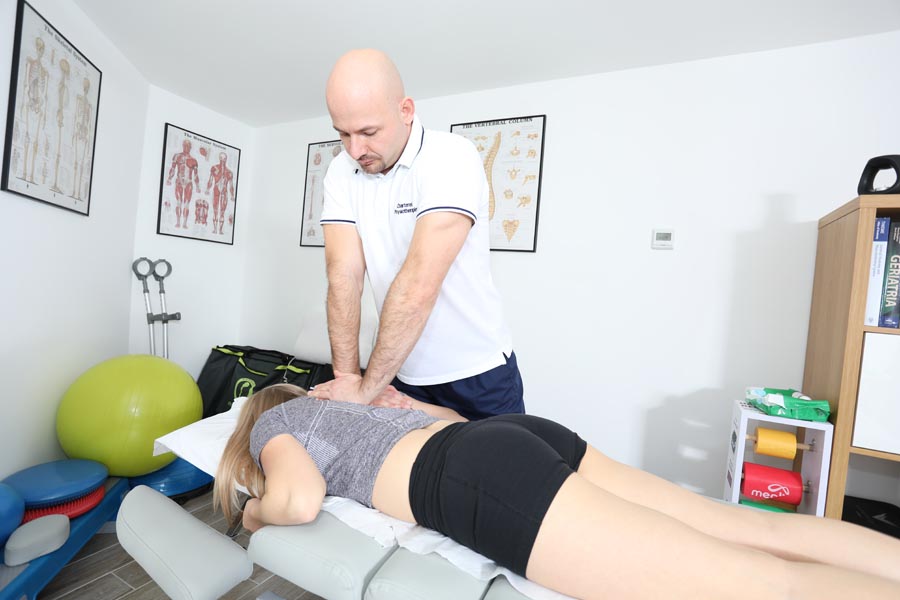
If you are living with stubborn muscle tension or ongoing pain, deep tissue massage in physical therapy can be a powerful way to help your body move and feel better. Whether you are struggling after an injury, dealing with desk-related aches, or managing long-term back issues, understanding how deep tissue work fits into your recovery plan can make a real difference to your results.
What Is Deep Tissue Massage in a Physiotherapy Setting?
Deep tissue massage is a hands-on technique that targets the deeper layers of muscle and connective tissue. Unlike a light, relaxing spa massage, this approach focuses on specific problem areas, using slower, more focused strokes and sustained pressure to release tightness and restore movement. In a physical therapy clinic, it is not used in isolation but as part of a structured plan to help you recover and stay active.
At PhysioCraft in Southampton, deep tissue massage is integrated with assessment, rehabilitation exercises, and education. Your therapist is not only trying to make you feel better on the day, but also to understand why your pain developed in the first place. This means your sessions are tailored to your posture, lifestyle, work demands, and activity goals.
How Deep Tissue Massage Differs from a Relaxation Massage
A relaxation massage aims to calm your nervous system and help you unwind. Pressure is usually gentle to moderate, and the goal is overall relaxation. Deep tissue massage, by contrast, targets specific muscles and fascia that have become tight, overloaded, or painful. You may notice more intense pressure, focused work on smaller areas, and occasional discomfort as stubborn knots are addressed.
In a physical therapy environment, your therapist will always work within your comfort levels, checking in with you regularly. The aim is “therapeutic pressure” rather than pain. You should feel that the pressure is strong but manageable, and that your body can gradually let go of the tension.
Why Physiotherapists Use Deep Tissue Techniques
Physiotherapists use deep tissue massage because it can help prepare your muscles and joints for movement retraining and exercise. By easing tightness and improving tissue quality, you may find it easier to perform your rehab exercises with better form and less discomfort. This combination of manual therapy and targeted exercise is often more effective than either approach alone.
In Southampton, many people seek deep tissue massage when they feel stuck with persistent aches or after trying to manage pain on their own. When guided by a physio, the treatment becomes part of a bigger plan to restore strength, mobility, and confidence in your body.
Key Deep Tissue Massage Techniques: More Than Just “Hard Pressure”
Deep tissue massage is not simply about pressing harder. Skilled therapists use a range of techniques to work with your muscles and connective tissue in a precise and controlled way. Understanding these approaches can help you feel more confident about what to expect in your sessions.
Two techniques you will often hear about in a physio clinic are myofascial release and trigger point therapy. Both can be part of a deep tissue treatment, and both aim to reduce pain and improve movement, but they work in slightly different ways.
Myofascial Release
Myofascial release targets the fascia – the thin but strong connective tissue that surrounds and links your muscles, bones, and organs. When fascia becomes tight or restricted, you may feel stiff, achy, or limited in your movement even if the muscles themselves are relatively healthy. This is especially common in people who sit for long periods, train heavily, or have had previous injuries or surgery.
During myofascial release, your therapist uses slow, sustained pressure and gentle stretching of the tissues. You might feel a mild pulling or spreading sensation, sometimes radiating away from the area being treated. Over time, this can help restore glide between layers of tissue, reduce that “stuck” feeling, and support better posture and movement patterns.
Trigger Point Therapy
Trigger point therapy focuses on highly irritable spots in the muscle, often felt as small, firm knots. These points can be surprisingly tender and may refer pain to other areas. For example, a trigger point in your upper back might create pain around the shoulder blade or even up into your neck and head.
In trigger point therapy, the physio applies steady, focused pressure to these knots, sometimes combined with small movements or breathing techniques. You may feel a strong but manageable discomfort that gradually eases as the muscle releases. Many people notice that once these trigger points calm down, their range of motion improves and their pain reduces significantly.
Deep Tissue Massage Benefits for Pain, Posture, and Performance
When used as part of a tailored rehab plan, deep tissue massage offers a wide range of benefits that go beyond simply feeling looser. The key is that it addresses both symptoms and some of the underlying contributors to your pain or stiffness.
Here are some of the most important deep tissue massage benefits you may experience when working with a physio-led team like PhysioCraft in Southampton.
Pain Relief and Reduced Muscle Tension
One of the main reasons you might seek treatment is to feel less pain. Deep tissue techniques help by reducing muscle spasm, easing tight bands of tissue, and improving blood flow to the area. This can be particularly helpful for deep tissue massage for back pain, neck pain, shoulder tension, and hip discomfort that have built up over time.
As the tight tissues relax, the pressure on joints and nerves often reduces as well. Many people notice a combination of less pain, fewer headaches, and an improved ability to move freely during daily tasks.
Improved Mobility and Posture
Stiffness and restricted movement often go hand in hand with pain. When certain muscles and fascia become too tight, other parts of your body have to compensate. That can lead to rounded shoulders, a stiff lower back, or uneven movement patterns when you walk, run, or lift.
By combining deep tissue techniques, myofascial release, and specific exercises, your physio can help restore more balanced movement. Over time, this may improve your posture and reduce the strain on overloaded joints and muscles. For many people in Southampton who work at desks or commute long distances, this can be a key benefit of regular deep tissue work.
Enhanced Recovery and Sports Performance
If you are active or play sport, deep tissue massage can support your training and recovery. By helping your muscles recover from heavy sessions, it may reduce delayed onset muscle soreness and keep you moving more comfortably through your training week. Trigger point therapy can also be used to settle overworked areas before they become a bigger problem.
For runners, gym-goers, and recreational athletes in Southampton, combining deep tissue massage with strength and mobility work can help you maintain better form, reduce your injury risk, and perform at your best for longer.
Deep Tissue Massage for Back Pain: How It Helps
Back pain is one of the most common reasons people seek help from a physiotherapist. Whether your pain came on suddenly or has been building for years, deep tissue massage for back pain can play an important role in your recovery, especially when combined with a clear exercise and posture plan.
Back pain is rarely caused by a single factor. It often involves a combination of tight muscles, weak stabilising muscles, joint stiffness, stress, and daily habits such as sitting, lifting, or twisting. Deep tissue massage helps by addressing the muscular and fascial side of this picture.
Releasing Tight Muscles Around the Spine
When your back is sore, the muscles around your spine often tighten up to protect the area. While this is a natural response, it can become a problem if the tightness does not settle. These overworked muscles may start to ache constantly, limit your movement, and make it hard to find a comfortable position.
Deep tissue techniques target these tight bands of muscle, particularly around the lower back, mid-back, and between the shoulder blades. As the tension eases, you may notice that bending, turning, and standing up from sitting all become less painful. This gives you a better starting point to work on core strength and movement control with your physio.
Addressing Referred Pain and Trigger Points
Sometimes, back pain is actually driven by trigger points in surrounding muscles, such as the glutes, hip flexors, or upper back. These points can refer pain into the lower back or along the spine, making it difficult to pinpoint the true source of the problem.
Trigger point therapy allows your therapist to identify and treat these hidden contributors. By releasing the knots and restoring normal muscle function, the overall pain picture often improves. This is one reason why a thorough assessment is so important before starting treatment – it ensures that your deep tissue massage targets the right areas.
How Often Should You Get a Deep Tissue Massage?
One of the most common questions people ask is how often should you get a deep tissue massage. The answer depends on your goals, your current symptoms, and how your body responds to treatment. There is no one-size-fits-all rule, but there are some useful guidelines.
In the early stages of treatment – especially if you are in significant pain or dealing with a recent flare-up – you may benefit from more frequent sessions, such as once a week for a short period. This allows your physio to make steady progress, adjust your plan, and support you as you start your rehab exercises.
Short-Term Relief vs Long-Term Results
If you are mainly looking for short-term relief, you might notice that a single session provides a clear improvement in your pain and movement. However, if you want lasting change, it is important to address the underlying causes of your symptoms. That usually means combining deep tissue work with strengthening, mobility training, and changes to your daily habits.
In many cases, a typical plan might involve weekly or fortnightly sessions for a few weeks, then gradually spacing them out as your pain settles and your strength improves. At PhysioCraft in Southampton, your therapist will discuss this with you and adjust based on how you feel and what you want to achieve.
Maintenance and Prevention
Once your pain is under control, some people choose to continue with occasional deep tissue massage as part of a maintenance or prevention strategy. This might mean a session every four to eight weeks, especially if you have a physically demanding job, train regularly, or are prone to recurring tightness in certain areas.
Think of this as a way to stay ahead of problems rather than waiting for them to flare up. Regular check-ins also give your physio a chance to update your exercises, review your technique, and help you keep moving confidently.
What to Expect from a Deep Tissue Massage Session at PhysioCraft
Knowing what to expect can help you feel more relaxed and in control when you book your first appointment. At PhysioCraft in Southampton, your deep tissue massage session is built around your needs, your goals, and your comfort levels.
Before any hands-on work begins, your physio will ask about your symptoms, medical history, and daily activities. They may assess your posture, movement, and strength to understand how your body is working as a whole. This ensures that the deep tissue treatment is targeted and safe.
During Your Treatment
During the massage, you will usually be lying on a treatment couch, with towels or sheets used to keep you comfortable and covered. The therapist will explain what they are doing and check in with you about pressure levels. You should feel able to speak up at any time – this is a collaborative process, not something being done to you.
You may feel strong pressure in certain areas, especially when working on trigger points or deeper layers of muscle. Mild discomfort is normal, but sharp or overwhelming pain is not the goal. Most people describe a “good soreness” that eases off as the muscles release.
After Your Session
After your deep tissue massage, it is common to feel a little tender or tired for a day or so, similar to how you might feel after a workout. Drinking water, gentle movement, and any stretches or exercises your physio suggests can help your body adapt to the changes.
Over the following days, you may notice reduced pain, easier movement, and an improved sense of body awareness. Your therapist will usually give you guidance on what to do between sessions – such as specific exercises, posture tips, or activity modifications – so you continue making progress.
Frequently Asked Questions
Is deep tissue massage supposed to hurt?
You may feel strong pressure and some discomfort during deep tissue massage, especially over tight or sensitive areas. However, it should always feel manageable and should ease as the muscle releases. You should never feel sharp or unbearable pain. Communicating with your therapist is essential so they can adjust the pressure to suit you.
Can deep tissue massage make things worse?
It is normal to feel a bit sore or tired for up to 24–48 hours after a session, similar to post-exercise soreness. This usually settles quickly and is followed by improved comfort and movement. When carried out by a qualified professional who has assessed you thoroughly, deep tissue massage is generally very safe. Always let your physio know if you have medical conditions, are pregnant, or are on medication so they can adapt the treatment.
How long do the benefits of a deep tissue massage last?
The immediate feeling of looseness and relief can last from several days to a couple of weeks, depending on your activity levels, stress, posture, and how long the problem has been present. When deep tissue work is combined with targeted exercises and lifestyle changes, the benefits tend to be longer-lasting, as you are addressing the root causes rather than just the symptoms.
Is deep tissue massage suitable for everyone?
Most people can safely receive deep tissue massage, but there are situations where it may need to be adapted or avoided, such as certain circulatory issues, recent surgery, fractures, or acute illness. Your physiotherapist will screen for these during your assessment. If deep tissue is not appropriate for you, they can recommend alternative hands-on techniques or treatment options that better suit your situation.
Conclusion: Take the Next Step Toward Moving Freely Again
Living with ongoing pain or stiffness can be exhausting, but you do not have to manage it alone. Deep tissue massage in physical therapy offers a focused, evidence-informed way to ease tight muscles, improve mobility, and support your long-term recovery. When combined with a clear exercise and rehab plan, it can help you get back to the activities you enjoy with more confidence and less pain.
If you are in or around Southampton and want to explore how deep tissue massage, myofascial release, and trigger point therapy could help you, PhysioCraft is here to support you. Book an assessment today to discuss your symptoms, understand your options, and start a tailored treatment plan designed around your life, your goals, and your body.