
If lifting your arm, reaching overhead or sleeping on your shoulder has suddenly become painful, you may be dealing with a rotator cuff injury treatment issue. At PhysioCraft in Southampton, we see shoulder problems like this every day, and the good news is that with the right guidance, most people can recover well, avoid surgery and get back to the activities they love.
What Is a Rotator Cuff Injury?
Your rotator cuff is a group of four muscles and their tendons that surround your shoulder joint. They help keep the ball of your upper arm bone firmly in the socket and allow you to lift, rotate and control your arm smoothly. When one or more of these tendons becomes irritated, inflamed or torn, you develop a rotator cuff injury.
These injuries can range from mild irritation (tendinopathy) to partial or full-thickness tears. You might notice pain only with certain movements at first, or it might be constant and disturbing your sleep. Understanding what type of injury you have is the first step towards the right rotator cuff injury treatment and a realistic recovery plan.
At PhysioCraft in Southampton, we commonly see rotator cuff issues in people who work with their arms overhead, play sports like tennis or swimming, or have had a fall onto the shoulder. However, they can also develop gradually with age and everyday use.
Common Symptoms of Rotator Cuff Injury
Recognising the typical symptoms of a rotator cuff injury can help you seek help sooner and prevent the problem from becoming chronic. While symptoms can vary, there are some classic signs that suggest your shoulder pain is coming from the rotator cuff rather than the neck or another structure.
Not everyone will experience all of these symptoms, and their severity can change from day to day. However, if several of these sound familiar, it’s worth getting a professional assessment in Southampton to confirm what’s going on.
Pain and Weakness in the Shoulder
The most common symptom is a dull, aching pain deep in the shoulder. You might feel it at the front or side of the joint, and it often worsens when you lift your arm away from your body or reach overhead. Many people describe a sharp catch of pain when they move through a certain angle, especially between shoulder height and just above.
Weakness is also typical. You may find it harder to lift objects, put things on a shelf, or hold your arm out to the side. Even everyday tasks like getting dressed, washing your hair, or reaching into the back seat of the car can become difficult. This combination of pain and weakness is a strong indicator that you need targeted rotator cuff injury treatment rather than just rest.
Night Pain and Disturbed Sleep
Rotator cuff problems are notorious for causing night pain. Lying on the affected side can be unbearable, and even lying on the other side or on your back may still be uncomfortable. You might wake up when you roll onto the sore shoulder, or feel a deep ache that makes it hard to get back to sleep.
If your shoulder pain is regularly waking you at night, it’s a strong sign that the rotator cuff is irritated or inflamed. Addressing this early with proper assessment and a tailored rotator cuff injury treatment plan can prevent the pain from becoming a long-term sleep disruptor.
What Causes Rotator Cuff Injuries?
Understanding what caused your shoulder problem can help you avoid repeated flare-ups and support a smoother recovery. At PhysioCraft in Southampton, we often see a mix of factors behind a rotator cuff injury, rather than a single event.
Broadly, rotator cuff injuries fall into two categories: sudden (traumatic) injuries and gradual (overuse or degenerative) injuries. Both can benefit from a structured, evidence-based rotator cuff injury treatment approach.
Sudden Injuries and Trauma
A sudden rotator cuff tear can occur after a fall onto an outstretched arm, lifting something heavy with a jerk, or a direct blow to the shoulder. These injuries may cause immediate, sharp pain, significant weakness, and a feeling that something has “given way”.
In more severe cases, you might struggle to lift your arm at all. While some traumatic tears may ultimately require surgical input, early physiotherapy can still play a key role in pain reduction, maintaining movement and preparing the shoulder for either conservative recovery or surgery if needed.
Gradual Wear, Overuse and Age-Related Changes
More commonly, rotator cuff injuries develop slowly over time due to repetitive overhead activities, poor posture, muscle imbalance or age-related changes in the tendon. This is especially true if you play sports like tennis, swimming, cricket or overhead gym work, or if your job involves frequent reaching or lifting.
As we get older, the blood supply to the rotator cuff tendon naturally reduces, making it more vulnerable to irritation and small tears. Combined with modern lifestyles that encourage rounded shoulders and desk-based work, it’s no surprise that many adults in Southampton experience these problems. The right rotator cuff injury treatment can help you manage these changes and continue to stay active.
How Rotator Cuff Injuries Are Diagnosed
Getting an accurate diagnosis is essential to choosing the most effective rotator cuff injury treatment. Guessing, relying only on internet searches or simply resting the shoulder often leads to frustration and delayed recovery.
At PhysioCraft in Southampton, your assessment is thorough and tailored to your symptoms, activity level and goals. Our aim is to identify exactly which structures are involved and how your movement patterns may be contributing to the problem.
Physical Assessment and Movement Testing
A detailed physical examination is the starting point. Your physiotherapist will ask about your symptoms, how they started, what makes them better or worse, and how they affect your daily life and sleep. They will then guide you through specific shoulder movements and strength tests.
These tests help identify which rotator cuff tendons are irritated, how severe the problem is, and whether other areas such as the neck or upper back are contributing. A skilled, hands-on examination is often enough to plan effective rotator cuff injury treatment without the need for immediate scans.
Where appropriate, your therapist may recommend a detailed assessment and examination service to fully understand the mechanics of your shoulder and surrounding joints.
Imaging and Diagnostic Ultrasound
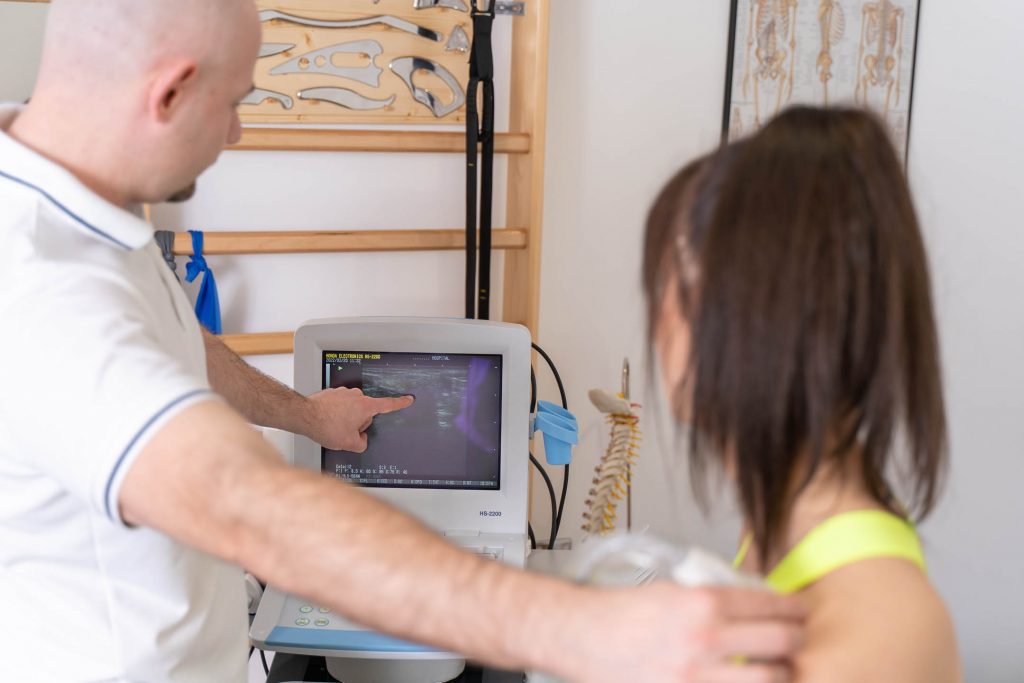
In some cases, especially if a more significant tear is suspected or your progress is slower than expected, imaging can provide extra clarity. Diagnostic ultrasound is particularly useful for viewing the rotator cuff tendons in real time, assessing inflammation, tears and bursal changes.
At PhysioCraft in Southampton, we can discuss whether a USG diagnostic ultrasound assessment is appropriate for your shoulder. This can help confirm the diagnosis, guide your treatment plan and, if necessary, support referral to other specialists.
Rotator Cuff Injury Treatment Options
Once you have a clear diagnosis, you can move on to a structured rotator cuff injury treatment plan. The aim is not only to ease pain but also to restore strength, control and confidence in your shoulder so you can return to work, sport and daily life safely.
Most rotator cuff injuries respond well to conservative (non-surgical) treatment. Surgery is usually reserved for large tears, traumatic injuries in very active individuals, or cases that haven’t improved with a well-managed rehabilitation programme.
Early-Stage Treatment: Pain Relief and Protection
In the early stages, treatment focuses on calming irritation and protecting the tendon while still keeping the shoulder moving as much as is safely possible. You may be advised to temporarily reduce or modify painful activities, especially repetitive overhead lifting or heavy gym work.
Hands-on techniques such as manual therapy for shoulder mobility can help relieve muscle tension, improve joint movement and reduce pain. In some cases, targeted modalities like ultrasound therapy for tendon healing may be used to support tissue recovery. Your physiotherapist will also guide you on comfortable sleeping positions and simple home strategies to manage pain.
Rehabilitation Exercises and Strengthening
As pain settles, the focus of rotator cuff injury treatment shifts towards restoring strength, control and endurance. This is where a structured exercise programme becomes essential. Carefully chosen movements help the tendon adapt and become more resilient, rather than remaining vulnerable to re-injury.
At PhysioCraft in Southampton, we design individualised rehabilitation exercises for shoulder stability that progress gradually from low-load activation to more functional, sport- or work-specific tasks. You’ll be guided on how often to do your exercises, how hard to push, and how to adjust if symptoms flare.
Recovery Time: How Long Does It Take?
One of the most common questions we hear in Southampton is how long rotator cuff injury treatment will take before you feel “normal” again. The honest answer is that it depends on several factors, including the type and severity of the injury, your age, overall health, and how consistently you follow your rehabilitation plan.
While every shoulder is different, understanding typical time frames can help you set realistic expectations and stay motivated through the recovery process.
Typical Healing Timelines
For mild rotator cuff irritation or early tendinopathy, you may notice a clear improvement in pain and function within 4–6 weeks of consistent treatment and exercise. More established tendinopathy or partial tears often require 8–12 weeks of structured rehabilitation before you feel confident with most daily tasks and lighter sports.
Full-thickness tears, or injuries that have been painful for many months before starting rotator cuff injury treatment, can take longer. It’s not unusual for meaningful recovery to take several months, especially if you want to return to heavy manual work or high-level sport. However, many people experience steady, noticeable progress along the way, even if full recovery takes time.
Factors That Influence Recovery
Several factors can speed up or slow down your recovery from a rotator cuff injury. These include your general fitness, posture, work demands, sports participation and how long you waited before seeking help. Smoking, diabetes and certain medications can also affect tissue healing.
Working closely with a physiotherapist in Southampton helps you identify and address these factors. With the right guidance, you can significantly improve your shoulder strength and comfort, even if your scan shows degenerative changes or a small tear. The key is a tailored plan, patience and consistency.
Preventing Future Shoulder Problems
Once you’ve gone through rotator cuff injury treatment, the last thing you want is for the pain to return. Fortunately, there’s a lot you can do to reduce the risk of future flare-ups and keep your shoulder functioning well for the long term.
Prevention is especially important if you play overhead sports, work in a physically demanding job, or have already had a rotator cuff issue in the past. At PhysioCraft in Southampton, we place a strong emphasis on education and long-term shoulder health, not just short-term pain relief.
Strength, Posture and Technique
Maintaining good strength and control around the shoulder blade and upper back is vital. Simple, regular exercises that target the rotator cuff, shoulder blade stabilisers and postural muscles can make a big difference. Your physiotherapist can show you which exercises are most effective for your body and activity level.
Posture and technique also matter. If you spend a lot of time at a desk, small adjustments to your workstation and regular movement breaks can ease strain on the shoulder. If you play sport or lift weights, refining your technique can reduce unnecessary stress on the rotator cuff and support the benefits of your previous rotator cuff injury treatment.
Listening to Early Warning Signs
Another key prevention strategy is learning to listen to your body. Occasional mild soreness after a new activity is normal, but pain that lingers, worsens with each session, or disrupts sleep is a sign to adjust what you’re doing and possibly seek advice.
By responding early to these warning signs, you can often prevent a minor irritation from developing into a more serious rotator cuff injury. This proactive approach is something we encourage with all our clients in Southampton.
Frequently Asked Questions
Do all rotator cuff tears need surgery?
No. Many rotator cuff tears, especially partial tears and age-related changes, can be managed successfully with conservative rotator cuff injury treatment. A structured physiotherapy programme focusing on pain management, strength and control often allows people to avoid surgery and return to their usual activities. Surgery is typically considered only if symptoms remain severe despite good rehabilitation, or if there is a large traumatic tear in a very active person.
Can I keep exercising with a rotator cuff injury?
In most cases, you don’t need to stop all exercise, but you may need to modify what you do. High-load overhead lifting, heavy presses and certain sports movements may need to be reduced or temporarily avoided while the tendon calms down. However, lower-load, well-chosen exercises are actually a key part of effective rotator cuff injury treatment. A physiotherapist can help you adjust your training so you stay active without aggravating your shoulder.
How do I know if my shoulder pain is from the rotator cuff?
Typical signs of a rotator cuff injury include pain with lifting or rotating the arm, weakness, difficulty reaching overhead or behind your back, and night pain when lying on the affected side. However, other conditions such as neck problems or shoulder joint arthritis can cause similar symptoms. A professional assessment in Southampton is the most reliable way to confirm the source of your pain and choose the right treatment.
Will my shoulder ever feel normal again?
Many people make a strong recovery and return to the activities they enjoy after appropriate rotator cuff injury treatment. Even if scans show degenerative changes or a small tear, improving the strength, control and coordination of the shoulder can significantly reduce pain and improve function. While some people may notice occasional mild stiffness or fatigue, especially after heavy use, the goal of treatment is to help your shoulder feel as close to normal as possible for your lifestyle.
Conclusion: Take the Next Step Towards a Pain-Free Shoulder
If shoulder pain is affecting your work, sport or sleep, you don’t have to put up with it or guess at self-management. With a clear diagnosis and a tailored rotator cuff injury treatment plan, you can reduce pain, rebuild strength and regain confidence in your shoulder.
At PhysioCraft in Southampton, our experienced team combines hands-on care, targeted exercise and evidence-based therapies to support your recovery at every stage. Whether your problem is new or has been troubling you for months, we’re here to help you move better and feel better.
Ready to start your recovery journey? Book your personalised shoulder assessment today via our online system at book an appointment at PhysioCraft Southampton, and take the first step towards a stronger, more comfortable shoulder.