
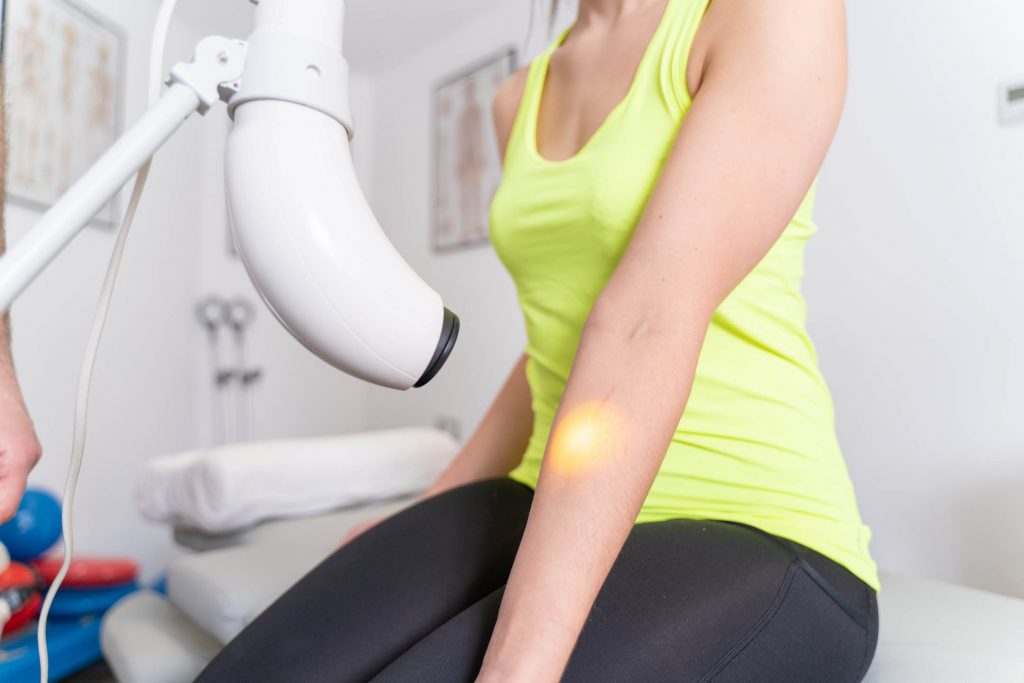
If you live with persistent pain, you’ve probably tried tablets, creams, exercises and maybe even injections. So when you hear about laser therapy UK clinics promising relief, it’s natural to wonder: does it actually work, or is it just clever marketing? At PhysioCraft, we use laser therapy as part of a wider treatment approach, and in this guide we’ll walk you through what it is, how it works, and whether it might be right for your specific pain.
What Is Laser Therapy and How Does It Work?
When we talk about laser therapy for pain in a physiotherapy setting, we’re usually referring to low-level laser therapy (LLLT) or “cold laser”. This isn’t the same type of laser used in surgery or eye correction. Instead, it uses carefully controlled light at specific wavelengths to interact with your tissues and support the body’s natural healing processes.
During a session, a therapist places a handheld device over the painful or injured area. The light energy penetrates through the skin and is absorbed by your cells. Research suggests that this can help improve circulation, reduce inflammation, and support tissue repair. Many people feel only a gentle warmth or no sensation at all during treatment, which makes it a good option if you’re sensitive to touch or already in a lot of discomfort.
In clinics across the UK, including here at PhysioCraft, laser therapy UK is often used alongside other hands-on treatments and exercise. Rather than being a miracle cure, it’s best seen as one tool in a complete pain management and rehabilitation plan.
What Conditions Can Laser Therapy Help With?
You might be wondering whether laser therapy for pain is suitable for your particular problem, or if it’s only for sports injuries. In reality, it can be used for a wide range of musculoskeletal and soft tissue issues. The key is matching the right settings and treatment plan to your specific condition.
Common conditions that may respond well to laser therapy include joint pain (such as osteoarthritis in the knee or hip), tendon and ligament issues (like tennis elbow, Achilles problems, or rotator cuff irritation), and muscle strains or tightness. It’s also sometimes used for nerve-related pain, such as mild carpal tunnel symptoms, and to support healing after certain injuries or surgery.
At PhysioCraft, we rarely rely on just one technique. For example, if you have chronic back pain, we might combine laser therapy UK with a detailed assessment, hands-on treatment, and a tailored exercise plan. This multi-layered approach often provides better, longer-lasting relief than any single method on its own.
Acute vs Chronic Pain
Laser therapy can be useful for both recent (acute) and long-standing (chronic) pain, but the goals are slightly different. With a fresh injury, the focus is usually on calming inflammation, easing pain and supporting faster tissue healing. Sessions may be more frequent at first, then spaced out as you improve.
For chronic pain, such as long-term neck, shoulder or lower back discomfort, laser therapy is often used to help “switch down” an overactive pain response, improve local circulation and make it easier for you to move. This can create a window of opportunity where you’re more comfortable and able to do the strengthening and mobility work that really changes how your body functions.
When Laser Therapy May Not Be Appropriate
Despite its benefits, laser therapy is not suitable for everyone. It’s usually avoided over areas of active cancer, directly over the eyes, over certain types of infections, or in specific situations during pregnancy. That’s why a proper clinical assessment is essential before starting any treatment plan.
At PhysioCraft, your therapist will carry out a thorough initial evaluation, similar to what we do for our comprehensive assessment and examination service, to make sure laser therapy is safe and appropriate for you.
What Does the Evidence Say? Does Laser Therapy Actually Work?
One of the biggest questions people ask about laser therapy for pain is whether there’s any solid evidence behind it. The short answer is that research is mixed but increasingly positive for certain conditions when the right dose and settings are used.
Studies have shown that low-level laser therapy can reduce pain and improve function in conditions like knee osteoarthritis, neck pain and some tendon problems. Many of these studies report that people experience less pain and better movement compared with placebo (sham) treatment, especially when laser is combined with appropriate exercises and manual therapy.
However, results aren’t identical for everyone. Different clinics may use different machines, settings and treatment frequencies, and not all research uses the same protocols. This is one reason why experiences of laser therapy UK can vary from person to person and from clinic to clinic.
Why Technique and Dosage Matter
Laser therapy is not simply a case of “shine light and hope for the best”. The wavelength, power, treatment time and number of sessions all affect the outcome. If the dose is too low, you may not notice any difference. If it’s too high or used incorrectly, it might irritate tissues instead of helping them.
At PhysioCraft, we use evidence-informed protocols and adjust settings based on your diagnosis, pain levels and response over time. We also review your progress regularly so we can adapt your treatment plan if needed, rather than just repeating the same approach session after session.
Realistic Expectations: What Laser Therapy Can and Can’t Do
It’s important to be honest about what laser therapy for pain can realistically achieve. For many people, it can provide meaningful pain reduction, improved comfort and better movement. It may help you sleep more easily, get through your working day with less discomfort, or return to hobbies you’ve had to avoid.
But laser therapy is unlikely to “cure” complex, long-standing problems on its own. If your pain is linked to posture, muscle weakness, joint stiffness or lifestyle factors, you’ll still need to address those areas. That’s why we often combine laser with guided rehabilitation exercises so you can build strength, mobility and confidence as your pain settles.
What to Expect During Laser Therapy at PhysioCraft
If you’re considering laser therapy UK and you’re not sure what actually happens in a session, it may help to walk through the process. Understanding each step can make you feel more comfortable and in control of your care.
Your first visit will usually begin with a detailed conversation about your symptoms, medical history and goals. We’ll then perform a physical assessment, looking at your posture, movement, strength and any specific painful areas. This helps us decide whether laser therapy is likely to help and how it should fit into your overall plan.
Once we’ve agreed that laser is appropriate, your therapist will explain how the device works, what you might feel and how long the session will last. Protective eyewear may be provided, depending on the type of laser used and where on your body we’re treating.
During the Treatment
During laser therapy for pain, you’ll usually be lying or sitting comfortably while the therapist places the device over the targeted area. The applicator may be held still or moved slowly over the skin. Most people feel mild warmth or nothing at all. It should not be painful, and you can ask to stop at any time if you feel uncomfortable.
A typical laser treatment to one area might last a few minutes, but your overall appointment will often include other components such as advice, stretches or manual techniques. At PhysioCraft, we believe that combining laser with hands-on care and movement offers a more complete and effective approach to reducing pain.
After Your Session
After laser therapy, you can usually return to your normal daily activities straight away. Some people notice immediate relief, while for others the effect builds gradually over several sessions. It’s not unusual to feel a little more aware of the treated area for a short time as circulation and healing responses increase.
Your therapist may give you simple exercises or self-care strategies to do at home between appointments. These might include gentle mobility work, strengthening exercises or advice on posture and activity pacing. The aim is to help you get the most benefit from your laser therapy UK sessions and move towards longer-term improvement, not just short-term pain relief.
Is Laser Therapy Right for You?
Deciding whether to try laser therapy for pain depends on your diagnosis, how long you’ve had symptoms, your general health and your personal preferences. It can be a good option if you’re looking for a non-invasive, drug-free treatment, especially if you’ve already tried rest and basic painkillers without success.
Laser therapy may be particularly helpful if your pain is stopping you from fully engaging in rehabilitation exercises or other hands-on treatments. By easing your discomfort, it can create a more comfortable starting point so you can gradually build strength and mobility. This is especially valuable for people with chronic back or joint pain who feel “stuck” because everything hurts too much to move.
At PhysioCraft, we often integrate laser with other evidence-based treatments such as specialist manual therapy or targeted back care programmes, similar to our dedicated back pain treatment approach . This combined strategy helps address both your symptoms and the underlying causes of your pain.
Safety and Side Effects
When delivered by trained professionals, laser therapy UK is generally considered safe with a low risk of side effects. Most people experience no adverse reactions. Occasionally, you might notice temporary soreness or a mild increase in symptoms as your body responds to treatment, but this usually settles quickly.
To keep you safe, your therapist will check for any medical conditions, medications or other factors that might affect your suitability. We’ll also explain how many sessions we recommend, how we’ll monitor your progress, and what signs would suggest that we need to adjust or change your treatment plan.
Frequently Asked Questions
How many laser therapy sessions will I need?
The number of laser therapy for pain sessions you need depends on your condition, how long you’ve had symptoms and how your body responds. Some people notice a difference after just a few sessions, while others need a longer course. We’ll review your progress regularly and adjust your plan so you’re not having more sessions than you genuinely need.
Does laser therapy hurt?
No, laser therapy UK treatments should not be painful. Most people feel a mild warmth or nothing at all during the session. If you ever feel uncomfortable, you can tell your therapist immediately and we’ll change the settings or stop the treatment.
Can I have laser therapy alongside other treatments?
Yes. In fact, laser therapy is often most effective when combined with other approaches such as manual therapy, massage, or tailored exercise programmes. At PhysioCraft, we commonly integrate laser with hands-on techniques and rehabilitation work to support both short-term pain relief and long-term improvement.
Is laser therapy suitable for everyone?
While laser therapy for pain is safe for many people, it isn’t right for everyone. It may not be suitable if you have certain medical conditions, active cancer in the treatment area, or specific types of infection. That’s why we always carry out a thorough assessment before recommending laser as part of your treatment plan.
Conclusion: Taking the Next Step Towards Pain Relief
If you’re tired of living with ongoing pain and you’re curious about whether laser therapy UK could help, the most important step is to get a clear, personalised assessment. Laser therapy can be a powerful tool when it’s used in the right way and combined with a tailored plan that addresses how your body moves and functions day to day.
At PhysioCraft, we take the time to understand your story, your goals and your worries, then design a treatment approach that fits you as an individual. If you’d like to explore whether laser therapy for pain is suitable for your situation, you can arrange a consultation using our online booking system at book an appointment with PhysioCraft. Together, we’ll work towards helping you move more comfortably, feel more confident in your body, and get back to the activities that matter most to you.