
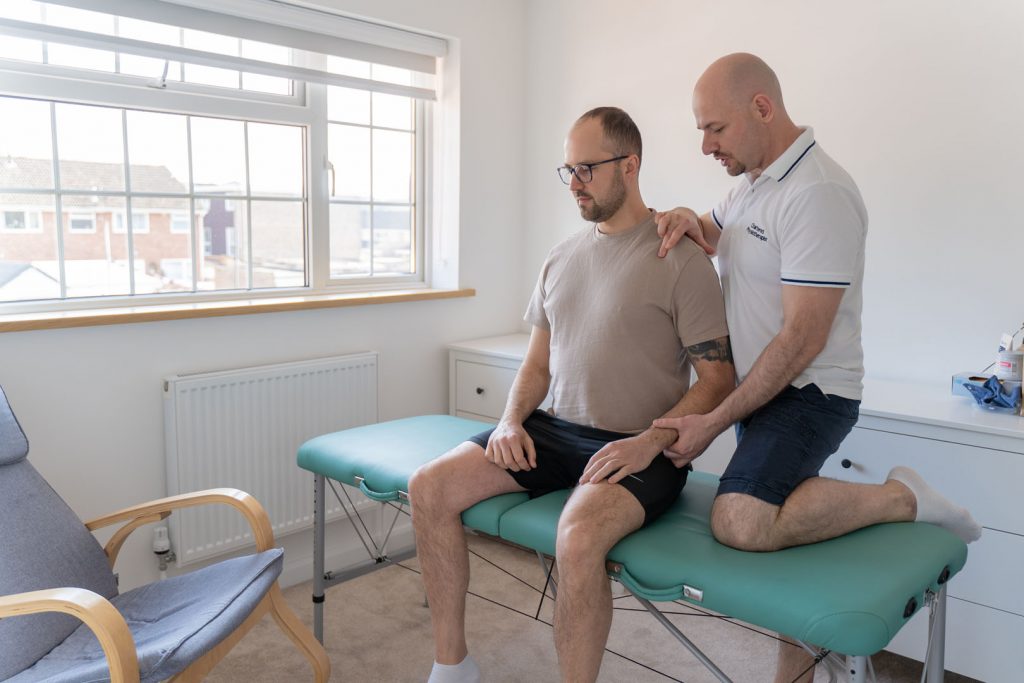
If you’re living with pain, stiffness or mobility problems, getting to a clinic can feel like a challenge in itself. That’s where home physio UK services come in. Instead of battling traffic and waiting rooms, a physiotherapist visits you at home, bringing expert care to your living room. But who is home physiotherapy really for, and is it genuinely worth it for you or your loved one?
What Is Home Physiotherapy and How Does It Work?
Home physio UK simply means receiving physiotherapy in your own home rather than in a clinic or hospital. A qualified physiotherapist brings the equipment they need, assesses you in your usual environment and creates a tailored treatment plan around your daily life. For many people in Southampton and across the UK, this is a more practical, comfortable way to get the help they need.
At its core, home physiotherapy aims to reduce pain, improve movement and restore independence. Your physio might use hands-on techniques, guided exercises, posture advice and simple equipment you can use safely at home. Because they see how you move around your own space – your bed, sofa, stairs, kitchen – they can give advice that is instantly relevant and easier to follow.
Home visits usually start with a detailed assessment of your symptoms, medical history and goals. Services like a thorough physiotherapy assessment and examination at home help your physio understand what’s driving your pain or limitations, so treatment is focused and efficient.
Who Is Home Physiotherapy For?
You don’t have to be elderly or severely disabled to benefit from home physio UK services. While home visits are ideal for people who struggle to travel, they’re also a smart choice if your pain flares with sitting, driving or walking longer distances. If you live in or around Southampton and find clinic appointments hard to manage, home physiotherapy could be a better fit.
Home physio is especially helpful if you’ve recently had surgery, are recovering from an injury, or live with long-term conditions that affect your strength and balance. It’s also suitable if anxiety, fatigue or busy family commitments make regular clinic visits unrealistic. Having your physio come to you can make it easier to stick with treatment and see real progress.
Older adults and those with reduced mobility
For many older adults, leaving the house is physically demanding and sometimes risky. Uneven pavements, stairs, bad weather and crowded waiting rooms can all increase the chance of falls or flare-ups. Home physio UK allows your physiotherapist to work with you safely at home, where you feel most confident.
Specialist services such as elderly rehabilitation in Southampton focus on improving balance, walking, muscle strength and everyday tasks like getting out of bed or climbing the stairs. Because your physio sees your actual home layout, they can suggest simple changes and exercises that make moving around easier and safer.
People recovering from surgery or injury
If you’ve had joint replacement surgery, a fracture, sports injury or major operation, travelling to a clinic in the early stages can be uncomfortable and tiring. With home physio UK, your rehabilitation can start earlier and progress steadily without the added strain of transport.
Your physiotherapist can guide you through safe, progressive rehabilitation exercises and gradually build your confidence. Services like tailored rehabilitation exercises at home can help you regain strength, flexibility and function step by step, reducing the risk of long-term stiffness or weakness.
What Conditions Can Home Physio Help With?
Many of the problems treated in a clinic can also be managed effectively with home physio UK services. The key difference is that treatment is adapted to your space, your daily routine and the equipment you have available. For most people, that means exercises using body weight, resistance bands, simple household items and, when needed, portable devices your physio brings along.
Common issues treated with home physiotherapy include back and neck pain, joint problems, post-surgery recovery, balance issues, neurological conditions and long-term pain. If you live in Southampton and are unsure whether your condition is suitable for home visits, a quick chat with a physiotherapist can help you decide.
Back, neck and joint pain
Persistent back or neck pain can make sitting in cars, buses or waiting rooms extremely uncomfortable. Home physio allows your therapist to see exactly how you sit at your desk, relax on your sofa or sleep in your bed – often revealing habits that keep your pain going. With this insight, they can give targeted advice and hands-on treatment to ease symptoms and prevent flare-ups.
Services such as focused back pain treatment and manual therapy techniques can help reduce muscle tension, improve joint movement and support better posture. Your physio can also teach you simple stretches and strengthening exercises you can easily fit into your day at home.
Post-surgery, neurological and long-term conditions
After joint replacements, ligament repairs or other orthopaedic surgeries, it’s vital to start moving correctly as soon as your surgeon allows. Home physio UK makes this easier by bringing expert guidance to your doorstep, so you don’t delay rehab while you wait to feel strong enough to travel.
People living with conditions such as stroke, Parkinson’s disease, multiple sclerosis or long-term arthritis can also benefit greatly from home-based physiotherapy. Regular sessions at home focus on maintaining mobility, improving balance and reducing the risk of falls. Because your physiotherapist sees the real challenges you face day to day – getting in and out of chairs, using the bathroom, managing steps – they can tailor strategies that truly fit your life.
The Key Benefits of Choosing Home Physio in the UK
When you’re in pain or feeling unsteady, the idea of getting dressed, driving, parking and sitting in a waiting room can be enough to put you off treatment altogether. Home physio UK removes many of these barriers, making it easier to commit to your recovery and stay consistent with your plan.
Beyond convenience, there are several important benefits that often lead to better results compared with clinic-only care, especially for people in Southampton who find travel difficult or tiring.
Comfort, convenience and reduced stress
Being treated in your own home can feel less intimidating than a busy clinic. You’re surrounded by familiar things, you can rest immediately after your session, and you don’t have to worry about traffic or public transport. This can be particularly helpful if you experience anxiety, fatigue or fluctuating symptoms.
Because sessions fit around your schedule, it’s easier to keep appointments and build momentum. Regular, consistent treatment is one of the biggest predictors of success in physiotherapy, and home visits support that consistency by removing many of the usual obstacles.
Practical, real-world rehabilitation
One of the biggest advantages of home physio UK is that your rehabilitation happens where you actually live your life. Instead of practising on clinic stairs or gym equipment you don’t have at home, you work on the tasks and movements that matter most to you: getting out of bed, showering safely, cooking, gardening or playing with grandchildren.
Your physiotherapist can show you how to adapt your environment and routine to reduce strain and protect your joints. They may also suggest supportive options such as orthopaedic appliances and supports that can make daily activities less painful and more secure while you rebuild strength.
Is Home Physiotherapy Worth It Financially and Clinically?
It’s natural to wonder whether home physio UK is really worth the investment compared with traditional clinic-based care. While home visits can sometimes cost slightly more per session due to travel time, many people find that the overall value is higher – both financially and in terms of long-term health.
When you factor in the time, energy and transport costs of travelling to a clinic in Southampton, the difference is often smaller than you might think. More importantly, if home physio helps you stay on track with treatment, avoid setbacks and regain independence more quickly, it can reduce future healthcare costs and time off work.
Better adherence, better outcomes
One of the biggest reasons physiotherapy fails is not the treatment itself, but difficulty sticking to the plan. If every appointment feels like a major expedition, you’re more likely to cancel or delay sessions. With home physio UK, the barrier to attendance is much lower, so you’re more likely to complete your course of treatment.
Because your physio designs exercises around your actual home environment, you’re also more likely to keep up with them between visits. Small, realistic changes done consistently often make a bigger difference than occasional bursts of effort, and home visits support that steady progress.
When clinic-based treatment may be better
There are times when clinic-based physiotherapy is more appropriate. If you need access to large equipment, specialist machines or certain types of group classes, these may only be available in a clinic setting. In some cases, a combination of clinic and home sessions works best, starting with home visits and moving to the clinic as you become stronger and more mobile.
A good physiotherapy provider in Southampton will be honest about whether home physio UK is the right option for you. They should explain the pros and cons clearly, suggest alternatives where needed and, if appropriate, transition you smoothly between home and clinic-based care.
What to Expect from a Home Physio Visit
If you’ve never had home physio UK before, you might feel unsure about what actually happens during a visit. Knowing what to expect can ease any nerves and help you get the most from each session. Your first appointment will usually be longer to allow time for a thorough assessment and discussion of your goals.
Your physiotherapist will arrive with any portable equipment they need and talk with you about your symptoms, medical history, medications and daily activities. They’ll then assess how you move, test your strength and flexibility, and look at how you perform key tasks like sitting, standing and walking.
Assessment, treatment and exercise
Following your assessment, your physio will explain what they believe is causing your symptoms in clear, straightforward language. Together, you’ll agree on a treatment plan that fits your goals and lifestyle. This may include hands-on techniques, tailored exercises and clear advice on posture, pacing and pain management.
Hands-on treatment might involve techniques similar to those used in clinic-based manual therapy for pain and stiffness , adapted for your home setting. Your physio will also demonstrate exercises and make sure you feel confident doing them safely on your own between sessions.
Safety, privacy and family involvement
Safety and privacy are central to any good home physio UK service. Your physiotherapist will ensure there is enough space to work safely, remove any immediate trip hazards and position furniture as needed for support. They’ll always explain what they’re doing and check you’re comfortable at each step.
If you wish, family members or carers can be involved in sessions so they understand how best to support you. This can be especially helpful for older adults or those with memory or communication difficulties. Clear guidance for carers makes it easier to continue safe exercises and mobility support between visits, helping you maintain your progress.
Frequently Asked Questions
Is home physio as effective as clinic-based physiotherapy?
For many conditions, home physio UK can be just as effective as clinic-based treatment, and sometimes more so. Because your physiotherapist sees how you move in your real environment, they can give highly practical advice and exercises tailored to your daily life. As long as your condition doesn’t require large specialist equipment, home visits can deliver excellent results.
How many home physio sessions will I need?
The number of sessions varies depending on your condition, how long you’ve had symptoms and your goals. Some people in Southampton feel a clear improvement after just a few visits, while others with long-term or complex problems may benefit from a longer programme. Your physiotherapist should review your progress regularly and adjust the plan so you’re not having more sessions than you need.
What should I wear and how should I prepare?
Wear loose, comfortable clothing that allows you to move freely and lets your physio see the area being treated, such as your back, knees or shoulders. Clear a small space where you can walk, lie down or exercise safely. Having a list of your medications, recent test results and any questions ready can help you make the most of your home physio UK session.
Can home physio help if I’m in a lot of pain?
Yes. A skilled physiotherapist will always work within your pain limits and adapt treatment to your current level. In fact, people in significant pain often find home physio UK more manageable than clinic visits because they avoid the discomfort of travel. Treatment may start gently and progress gradually as your symptoms improve and your confidence grows.
Conclusion: Is Home Physiotherapy Right for You?
If pain, fatigue or mobility problems make travelling to appointments difficult, home physio UK could be a practical, effective way to move forward. For many people in Southampton, having a physiotherapist come to their home removes major barriers to getting help, supports consistent treatment and makes rehabilitation feel more achievable.
At PhysioCraft, we provide personalised home visits designed around your goals, your space and your daily routines, so you can reduce pain, move more easily and regain independence at a pace that feels right for you. To find out if home physiotherapy is suitable for your situation, you can book a home physio assessment in Southampton today, and take the first confident step towards feeling more like yourself again.