
If you’re waking up with sharp heel pain and hoping it will just disappear on its own, you’re not alone. But when it comes to plantar fasciitis treatment Southampton, waiting and hoping is rarely enough. Heel pain that keeps returning, especially first thing in the morning or after sitting, is your body’s way of telling you that something deeper needs attention.
What Is Plantar Fasciitis – And Why Your Heel Hurts So Much
Plantar fasciitis is irritation or micro-tearing of the thick band of tissue (the plantar fascia) that runs along the bottom of your foot from your heel to your toes. When that tissue is overloaded, it becomes inflamed and painful, especially where it attaches to the heel bone. You might feel a stabbing pain under the heel, a burning ache through the arch, or a tight, pulling sensation when you first stand up.
Many people in Southampton, Bitterne and the surrounding areas assume heel pain is just a sign of getting older or being on your feet too long. In reality, it’s usually a combination of factors: changes in activity, footwear, weight, posture, or even how your hips and lower back move. Without the right diagnosis and treatment, that pain often becomes chronic, affecting how you walk, exercise and even sleep.
Why Plantar Fasciitis Rarely Settles On Its Own
You might have heard that plantar fasciitis is “self-limiting” and will eventually go away. For some people, symptoms do ease over time. But for many others, especially if you’re active, on your feet at work, or dealing with long-term tightness or weakness, heel pain can drag on for months or even years. Ignoring the problem often leads to compensations elsewhere in your body, such as knee, hip or back pain.
The plantar fascia is involved in every step you take. That means it’s constantly under load. If the underlying cause isn’t addressed – like poor foot mechanics, weak calf muscles, reduced ankle mobility or unsuitable footwear – the tissue doesn’t get a chance to heal properly. Instead, tiny tears keep forming, and the area becomes more sensitive and reactive over time.
How Your Body Starts To Compensate
When your heel hurts, you naturally change how you walk. You might avoid putting weight through the painful area, shorten your stride, or turn your foot slightly outwards. At first, this feels like it helps. But over weeks and months, these changes put extra stress on your knees, hips and lower back. It’s common for people to come to PhysioCraft in Southampton for back or hip pain and only then realise the original problem was long-standing plantar fasciitis.
These compensations can also make your plantar fasciitis harder to treat. The longer your body has been moving in a protective pattern, the more work it takes to retrain your muscles and joints. That’s why a thorough, assessment-first approach is so important – you need to understand not just where it hurts, but how your whole body is moving.
Why Rest Alone Isn’t Enough
Rest can temporarily ease your symptoms, especially if your plantar fasciitis started after a sudden increase in training or standing time. But as soon as you go back to your normal routine, the pain often returns. Rest doesn’t change your foot mechanics, strength, flexibility or walking pattern. Lasting relief usually needs a structured treatment plan that actively improves how your foot and leg handle load.
This is where combining hands-on therapy, targeted exercises and – when needed – advanced modalities like shockwave can make a real difference, particularly for stubborn or long-term heel pain.
How PhysioCraft Diagnoses The Real Cause Of Your Heel Pain
At PhysioCraft in Southampton, your plantar fasciitis treatment always starts with a comprehensive, one-to-one assessment. No group sessions, no rushed appointments. You’ll see an experienced physiotherapist with over 15 years of clinical and NHS Senior Musculoskeletal Physiotherapist expertise, who will take time to understand your pain and your goals.
We don’t just look at your heel. We assess your whole lower limb and spine to find out why your plantar fascia is under stress. This might include checking your ankle mobility, calf and foot strength, hip stability and even how your lower back moves. We’ll also discuss your daily routine, work demands, sports and footwear choices, because those often hold the key to recurring symptoms.
Advanced Assessment Tools When You Need Them
Where appropriate, we may use advanced diagnostic tools, such as USG diagnostic ultrasound, to visualise the plantar fascia and surrounding structures. This can help confirm the diagnosis, rule out other causes of heel pain, and guide your treatment plan more precisely. Understanding whether you’re dealing with acute inflammation, long-standing thickening, or associated issues like heel spurs can change how we approach your recovery.
Because we combine physiotherapy, chiropractic and osteopathy techniques, your assessment also looks at joint alignment and movement patterns throughout your body. This integrated approach means we’re not just treating a painful spot – we’re treating the way you move.
Creating Your Personalised Treatment Plan
Once we’ve identified the root causes, we’ll design a tailored plan that fits your lifestyle. This might include hands-on manual therapy, specific rehabilitation exercises and advice on footwear or activity modifications. If you’re local to Bitterne or the wider Southampton area and find it difficult to travel, we can also provide home physiotherapy visits to help you start treatment sooner and stay consistent.
If you’d like to understand more about how our assessments work, you can read about our detailed physiotherapy assessment and examination process.
Effective Treatment Options For Plantar Fasciitis In Southampton
There is no single “magic” treatment that works for everyone. At PhysioCraft, your plantar fasciitis treatment Southampton plan is built from a range of evidence-based options, selected to match your specific presentation, pain levels and goals. The aim is not just to reduce pain, but to improve how your foot and leg tolerate load so you can walk, work and exercise comfortably again.
Our approach often blends hands-on therapy, targeted exercises and advanced technologies. This combination helps speed up healing while also addressing long-term prevention, so you’re not back to square one a few months later.
Hands-On Manual Therapy And Joint Techniques
Manual techniques can reduce pain, ease tight muscles and improve joint mobility around your foot, ankle and lower leg. At PhysioCraft, we may use a blend of physiotherapy, chiropractic and osteopathic methods, including soft tissue release, joint mobilisation and, where appropriate, gentle joint adjustments. These techniques aim to restore normal movement and reduce the strain on your plantar fascia with every step.
To learn more about how this works, you can explore our page on specialist manual therapy for pain and stiffness.
Rehabilitation Exercises And Load Management
Specific strengthening and stretching exercises are crucial for long-term recovery. We’ll show you how to build strength in your foot, calf and hip muscles, improve your ankle mobility and gradually increase the amount of load your plantar fascia can handle. This might include calf raises, towel curls, controlled balance work and progressive loading exercises tailored to your current ability.
We’ll also guide you on pacing – how much walking, running or standing is appropriate at each stage of recovery. Getting this balance right is one of the biggest factors in whether your plantar fasciitis settles or keeps flaring up.
When Shockwave Therapy Can Help Stubborn Heel Pain
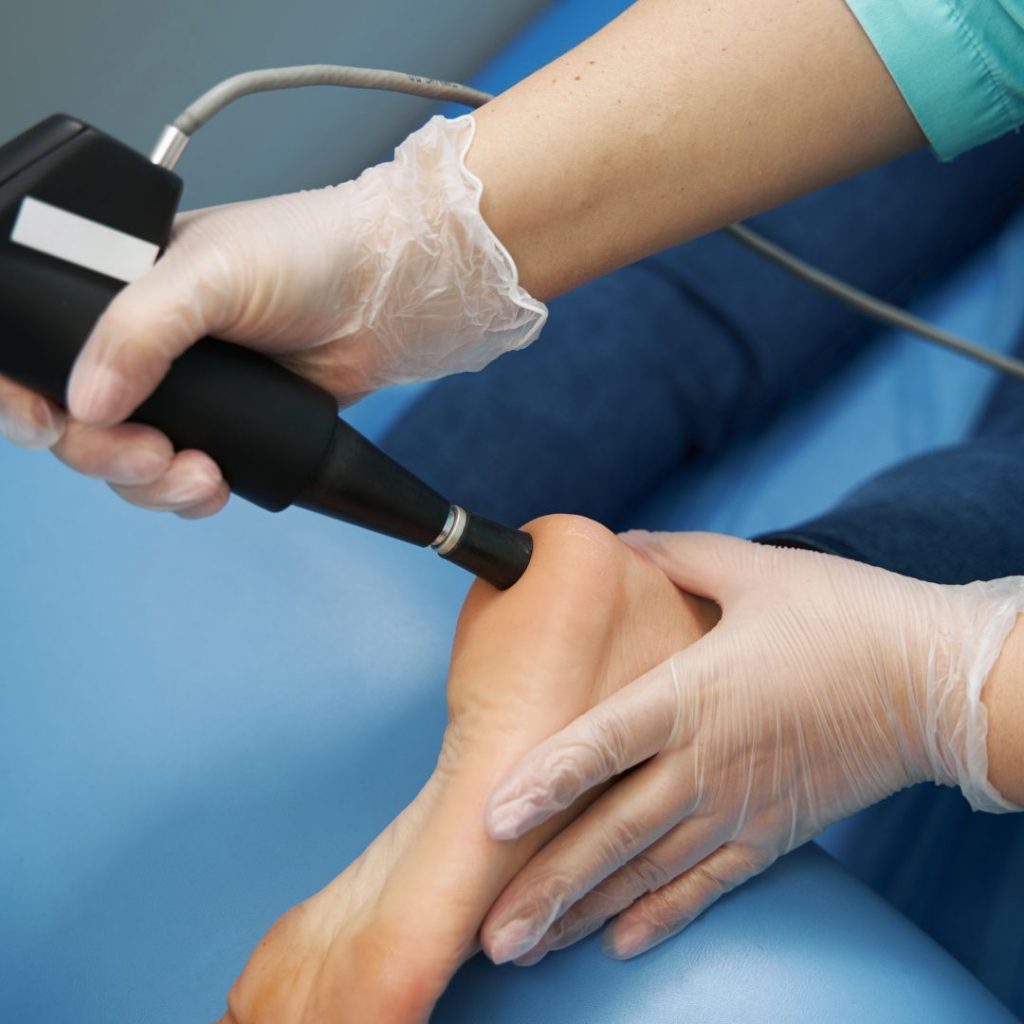
For persistent or long-standing plantar fasciitis that hasn’t responded to conventional care, shockwave therapy can be a powerful addition to your treatment plan. At PhysioCraft Southampton, we offer focused shockwave as part of a broader rehabilitation programme, not as a stand-alone quick fix.
Shockwave therapy uses high-energy sound waves applied to the painful area to stimulate blood flow, break down stubborn scar tissue and encourage your body’s natural healing response. Many people experience a gradual reduction in pain and improved function over a series of sessions, especially when combined with the right exercises and manual therapy.
Is Shockwave Therapy Right For You?
Shockwave is particularly useful if you’ve had heel pain for several months or longer, tried basic stretches and rest without success, or found that pain returns as soon as you increase your activity. It’s also a good option if you’re trying to avoid more invasive procedures or long-term medication use. Your physiotherapist will assess whether you’re a suitable candidate and explain what to expect.
If you’d like to know more about how this treatment works, visit our dedicated page on shockwave therapy for plantar fasciitis and tendon pain.
Combining Shockwave With Other Advanced Therapies
Alongside shockwave, we can also use other advanced modalities such as laser therapy, ultrasound therapy and magnetic therapy where appropriate. These tools are not used in isolation; they’re integrated into a structured plan that includes hands-on treatment and progressive exercise. The goal is to create the best possible environment for your plantar fascia to heal while you regain strength and mobility.
This multi-modal approach is particularly helpful if you’ve had heel pain for a long time, or if you’re keen to return to sport, running or high-demand work as safely and quickly as possible.
Living In Bitterne Or Southampton? Why Local, Ongoing Care Matters
If you live or work in Bitterne or the wider Southampton area, you may have tried rest, insoles or generic stretches you found online. While these can sometimes help, they rarely address the full picture of why your plantar fascia is overloaded. Working with a local, experienced physiotherapist means you get continuity of care, regular progress checks and a plan that adapts as you improve.
Because PhysioCraft offers both clinic-based sessions and home physiotherapy visits, you can choose the option that fits your routine and pain levels. This flexibility often makes it easier to stick with your programme, which is essential for long-term success. Consistency is what turns short-term pain relief into lasting change.
Preventing Future Flare-Ups
Once your pain has settled, we’ll help you build a realistic, sustainable plan to keep it that way. This might involve a simple home exercise routine, occasional check-ins, and guidance on footwear or training progression if you run or play sport. We want you to return to your normal life – walking, working, exercising and enjoying time with family – without constantly worrying about your heel flaring up again.
For some people, this long-term approach also helps reduce or prevent problems higher up the chain, such as knee or back pain that developed while you were compensating for your heel.
Support For Older Adults And Those With Reduced Mobility
Plantar fasciitis can be particularly limiting if you’re older or already dealing with other health issues. Standing up from a chair, climbing stairs or walking to the shops can become painful challenges. Our team is experienced in working with older adults and those with reduced mobility, providing gentle, targeted treatment and practical advice to help you stay as independent and active as possible.
Where travel is difficult, our mobile service allows you to receive expert care in your own home, so heel pain doesn’t have to be a barrier to getting the support you need.
Frequently Asked Questions
How long does plantar fasciitis take to heal?
Healing time varies. Mild cases may improve within a few weeks with the right treatment and activity changes. More persistent or long-standing plantar fasciitis can take several months to fully settle. With a structured plan that includes manual therapy, exercises and, when needed, advanced options like shockwave, most people see meaningful improvements within 6–12 weeks.
Do I need shockwave therapy for plantar fasciitis?
Not everyone needs shockwave. Many people respond well to tailored exercises, hands-on treatment and load management alone. Shockwave is usually recommended when symptoms have been present for a long time, have not responded to standard care, or keep returning when you increase your activity. Your physiotherapist will discuss whether it’s appropriate for your specific situation.
Can I keep running or exercising with plantar fasciitis?
In many cases, you don’t have to stop all activity, but you may need to modify it. We’ll help you adjust your training volume, intensity and surfaces so you can stay as active as possible without constantly aggravating your heel. As your pain improves and your strength increases, we’ll guide you through a gradual return to your preferred sports or activities.
Will insoles or orthotics fix my heel pain?
Insoles or orthotics can be helpful for some people, especially if foot posture or arch support is a significant factor. However, they are rarely a complete solution on their own. For lasting results, they usually need to be combined with targeted exercises, manual therapy and changes to how your body handles load.
Take The First Step Towards Pain-Free Walking In Southampton
If you’re tired of waking up dreading that first step out of bed, now is the time to act. Plantar fasciitis rarely settles fully on its own when the underlying causes are still there. With expert, one-to-one support and a personalised plan, you can move from constant heel pain to confident, comfortable walking again.
PhysioCraft in Southampton offers a comprehensive, evidence-based approach to plantar fasciitis, combining hands-on treatment, targeted rehabilitation and advanced therapies like shockwave when needed. Whether you’re in the city centre, nearby Bitterne or the surrounding areas, we’re here to help you get back to the activities you love.
Ready to start your recovery? You can book a plantar fasciitis assessment in Southampton today and take the first step towards long-term relief.