
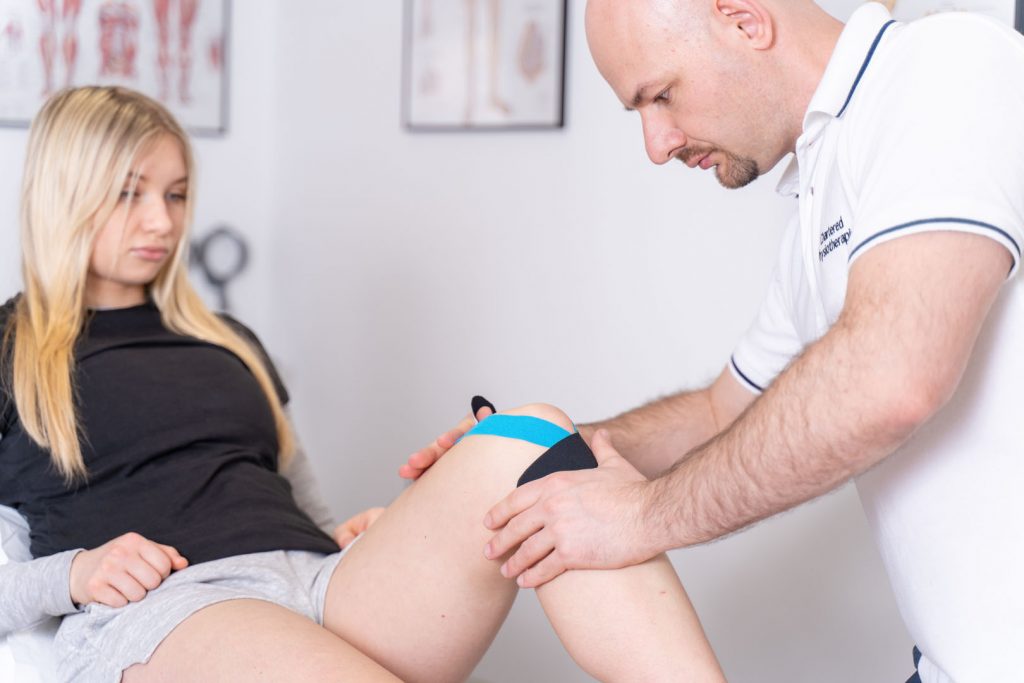
If you are living with pain, stiffness or recurring injuries, understanding the benefits of physiotherapy can be the first step towards getting your life back. At PhysioCraft in Southampton, physiotherapy is not just about treating a sore back or a sprained ankle – it is about helping you move better, feel stronger and stay active in the long term.
1. Pain relief without relying on medication
One of the most well-known benefits of physiotherapy is effective, drug-free pain relief. Whether you are dealing with lower back pain, neck tension, joint aches or muscle strains, targeted hands-on treatment and tailored exercises can ease discomfort at the source rather than simply masking symptoms.
In Southampton, many people come to PhysioCraft because they are tired of relying on painkillers that only provide short-term relief. Through techniques such as joint mobilisation, soft tissue work and guided movement, your physiotherapist works to reduce inflammation, improve circulation and restore normal function. This approach helps you feel more comfortable day to day and supports your long-term health.
Targeting the root cause of pain
Instead of only focusing on the painful area, your physio looks at how your whole body moves. Poor posture, muscle imbalances or old injuries can all contribute to current pain. By identifying and treating these underlying issues, physiotherapy can provide longer-lasting pain relief and help prevent flare-ups.
If you struggle specifically with spinal discomfort, a focused service like back pain treatment in Southampton can be an important part of your recovery plan.
2. Faster recovery from injuries and surgery
Another major benefit of physiotherapy is speeding up your recovery after an injury or operation. Whether you have had a sports injury, a fall, or orthopaedic surgery such as a knee or hip replacement, guided rehabilitation helps you heal safely and more efficiently.
At PhysioCraft in Southampton, your physiotherapist will assess your current movement, strength and pain levels, then design a staged plan that progresses as you improve. This reduces the risk of doing too much too soon, while still challenging your body enough to stimulate healing.
Rebuilding strength and mobility step by step
After an injury, it is common to feel weaker, stiffer and less confident in your body. Structured exercises, balance training and manual techniques can help you gradually restore strength, flexibility and coordination. This not only supports your injured area but also improves how the rest of your body moves, so you are less likely to compensate and create new problems.
For many people in Southampton, working through tailored rehabilitation exercises programmes provides clarity and reassurance: you know exactly what to do, how often to do it, and when it is safe to progress.
3. Improved mobility, flexibility and everyday function
Stiffness and restricted movement can make even simple tasks – like getting out of bed, climbing stairs or driving – feel difficult. One of the key benefits of physiotherapy is improving your mobility so you can do more with less effort and discomfort.
Your physiotherapist will look at how your joints move, how flexible your muscles are and how your body controls movement. From there, they may use hands-on techniques, stretching, strengthening and movement retraining to help you move more freely. Over time, you should notice that everyday activities feel easier and that your body feels less “stuck”.
Helping you stay independent and active
For older adults in Southampton, maintaining independence is a major concern. Physiotherapy can play a big role in helping you stay on your feet, reduce your risk of falls and continue doing the activities you enjoy. Balance work, gentle strengthening and walking practice are all commonly used to support this.
Specialist services such as elderly rehabilitation in Southampton are designed specifically to support safe, confident movement in later life, helping you preserve your quality of life for as long as possible.
4. Better posture and reduced strain on your body
Modern life often means long hours sitting at a desk, driving, or looking down at phones and laptops. Over time, this can lead to rounded shoulders, a forward head position and increased strain on your neck, back and hips. One of the often-overlooked benefits of physiotherapy is helping you improve your posture and movement habits.
At PhysioCraft in Southampton, your physiotherapist can assess how you sit, stand and move throughout the day. They will then show you small, practical changes to reduce strain on your spine and joints. This might include adjusting your workstation, changing how you lift and carry things, or building short movement breaks into your routine.
Hands-on treatment to support better alignment
Alongside advice and exercises, manual techniques can help your joints and soft tissues move more normally. For example, manual therapy in Southampton can gently ease stiff joints and tight muscles, making it easier for you to maintain a healthier posture throughout the day.
By combining treatment, education and tailored exercises, physiotherapy helps you develop more efficient movement patterns. Over time, this can reduce everyday aches and prevent new problems from developing.
5. Injury prevention and safer return to sport
If you enjoy running, gym training, team sports or fitness classes, you may already know how frustrating injuries can be. One of the most practical benefits of physiotherapy is learning how to reduce your risk of getting hurt in the first place – and how to return to activity safely after a setback.
In Southampton, many active people visit PhysioCraft not only when they are injured, but also for screening and advice. Your physiotherapist can identify weak spots, stiffness or technique issues that may increase your risk of problems such as shin splints, tendon pain or muscle strains.
Building resilience for long-term performance
By addressing these issues early, you can improve your strength, control and flexibility in the right areas. This makes your body more resilient and better able to cope with the demands of your chosen sport or activity. You will also learn warm-up, cool-down and recovery strategies tailored to you.
If you are returning from a sports injury, focused sports injury physiotherapy in Southampton can guide you through each stage of rehab. This helps you avoid rushing back too quickly, reduces the risk of re-injury and builds your confidence so you can enjoy your sport again.
6. Support for chronic conditions and long-term pain
Not all pain is caused by a recent injury. Many people in Southampton live with ongoing conditions such as arthritis, fibromyalgia, long-standing back pain or repetitive strain problems. One of the most important benefits of physiotherapy is learning how to manage these conditions so they have less impact on your daily life.
Your physiotherapist will take the time to listen to your story, understand how your symptoms affect you and work with you to set realistic goals. Treatment might include gentle hands-on techniques, tailored exercise programmes, pacing strategies and advice on how to balance activity and rest.
While physiotherapy cannot always “cure” a long-term condition, it can help you reduce pain flare-ups, improve your function and feel more in control of your body.
7. Enhanced circulation, healing and relaxation
Another of the quieter but valuable benefits of physiotherapy is improved circulation and tissue health. Techniques such as soft tissue work, stretching and movement can help increase blood flow, reduce swelling and support your body’s natural healing processes.
For people in Southampton who carry a lot of tension in their muscles – perhaps from physical work, stress or training – targeted treatment can also promote relaxation. When your muscles are less tight and your nervous system is calmer, pain often feels more manageable and movement becomes easier.
Options like therapeutic massage in Southampton can be used alongside exercise-based physiotherapy to support both recovery and overall wellbeing.
8. Better balance and reduced risk of falls
Poor balance is not just a problem for older adults – it can affect anyone, especially after injury, illness or a period of inactivity. One of the key benefits of physiotherapy is targeted balance and coordination training to help you feel steadier on your feet.
In Southampton, many people seek help after a fall or near-miss that shakes their confidence. Your physiotherapist can assess your strength, joint movement, walking pattern and balance reactions. Based on this, they will design exercises that challenge you safely, gradually progressing as you improve.
By working on balance, strength and reaction speed, physiotherapy can lower your risk of falls and help you feel more secure walking on uneven ground, using stairs or moving around in busy environments.
9. Personalised education and self-management tools
One of the most empowering benefits of physiotherapy is the knowledge you gain about your own body. Understanding what is causing your pain or stiffness – and what you can do about it – often makes the situation feel less overwhelming.
At PhysioCraft in Southampton, your physiotherapist will explain your diagnosis in clear, straightforward language. You will learn which movements are helpful, which ones to temporarily modify, and how to pace your activities. You will also receive specific exercises and strategies to use at home, at work and during your hobbies.
This education means that you are not just relying on treatment sessions. Instead, you have practical tools to manage your symptoms day to day, which is one of the most valuable long-term benefits of physiotherapy.
10. Holistic support tailored to your lifestyle
Perhaps the biggest overall benefit of physiotherapy is that it is tailored to you as an individual. No two people in Southampton have exactly the same body, lifestyle or goals, so your treatment should never be one-size-fits-all.
During your sessions at PhysioCraft, your physiotherapist will consider your work demands, family responsibilities, hobbies, fitness level and medical history. They will then build a plan that fits realistically into your life, so you are more likely to stick with it and see results.
This holistic approach means physiotherapy can support many aspects of your wellbeing – from reducing pain and improving sleep, to boosting confidence and helping you return to the activities that matter most to you.
Frequently Asked Questions
How many physiotherapy sessions will I need?
The number of sessions you need depends on your condition, how long you have had it and your goals. Some people in Southampton feel significant improvement after just a few appointments, while others with long-standing or complex issues may benefit from a longer course of treatment. Your physiotherapist at PhysioCraft will discuss a realistic plan with you after your initial assessment.
Is physiotherapy painful?
Physiotherapy should not be excessively painful. You might feel some temporary discomfort during certain movements or exercises, especially if you are working on stiff or sensitive areas. However, your physio will always work within your tolerance and explain what you can expect. The aim is to help you feel better, not worse, and any short-term discomfort should be balanced by longer-term improvement.
Do I need a referral from my GP to see a physiotherapist?
In most cases, you do not need a GP referral to see a physiotherapist at PhysioCraft in Southampton. Many people choose to book directly, especially if they want to start addressing their pain or mobility issues as soon as possible. If you have a complex medical history or recent surgery, your physio may liaise with your GP or consultant to ensure your care is coordinated.
What should I wear to my physiotherapy appointment?
Wear comfortable, loose-fitting clothing that allows you to move freely and that lets your physiotherapist easily see and access the area being treated. For example, shorts are helpful for knee or hip problems, and a vest or loose top is useful for shoulder or upper back issues. Trainers or supportive shoes are ideal if you will be doing exercises.
Conclusion: Take the next step towards moving better
The benefits of physiotherapy go far beyond short-term pain relief. From improving mobility and posture to supporting recovery, preventing injuries and helping you manage long-term conditions, physiotherapy can make a real difference to your everyday life.
If you are in Southampton and feel held back by pain, stiffness or a recent injury, you do not have to put up with it or try to figure it out alone. The team at PhysioCraft is here to assess what is going on, explain your options clearly and guide you through a treatment plan that fits your goals.
To start your recovery journey, you can book an appointment at PhysioCraft in Southampton today, or get in touch to discuss how physiotherapy could help you move more comfortably and confidently again.