
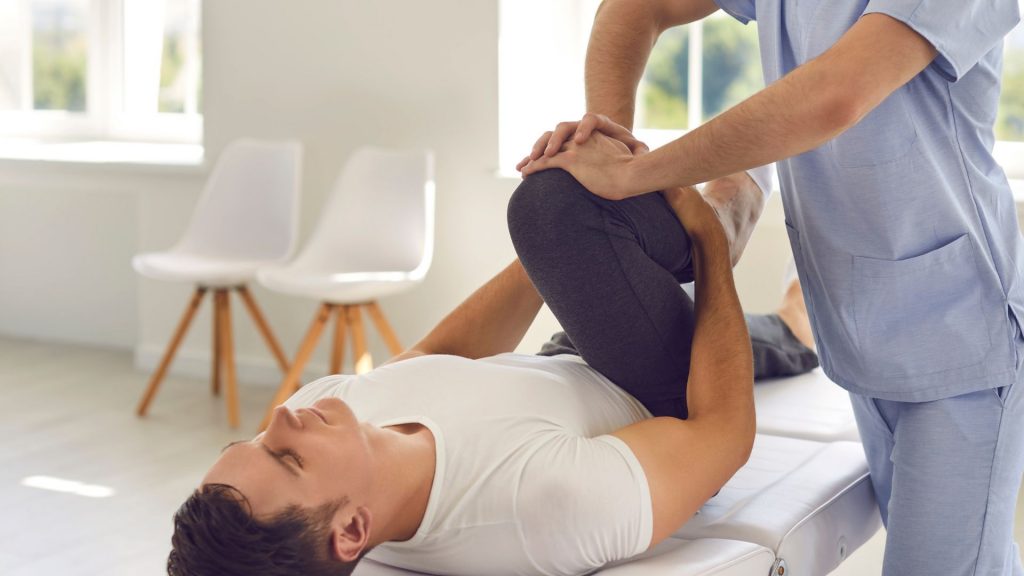
If you love cycling but your rides are being cut short by aching knees, a stiff neck or a sore lower back, you are not alone. Targeted physiotherapy for cyclists Southampton can help you understand why these pains keep coming back, treat the root cause, and get you back to riding comfortably and confidently.
Why Cyclists Get Knee, Neck and Lower Back Pain
As a cyclist, you repeat the same movement thousands of times in every ride. When your bike fit, strength or flexibility are even slightly off, that repetition can overload your joints, muscles and nerves. Physiotherapy for cyclists focuses on how your whole body works together on the bike, not just the area that hurts.
Knee pain often comes from poor alignment of the hip, knee and foot, tight muscles around the thigh, or subtle issues in your kneecap tracking. Neck and shoulder tension usually links to your posture on the bike, handlebar position and core strength. Lower back pain can be driven by a weak core, tight hips or a saddle that is too high or too low. At PhysioCraft in Southampton, you get a thorough assessment-first approach so these details are not missed.
Because PhysioCraft combines elements of physiotherapy, chiropractic and osteopathy, you benefit from a broader toolbox of techniques. That means more accurate diagnosis, more effective treatment, and a clearer plan to prevent your pain from returning every time you increase your mileage.
How PhysioCraft Approaches Physiotherapy for Cyclists in Southampton
At PhysioCraft, every cyclist starts with a detailed 1‑to‑1 assessment. There are no group sessions and no generic exercise sheets. Instead, your clinician listens to your story, asks about your training, bike setup, previous injuries and goals, and then performs a head‑to‑toe movement and posture screen. This assessment-first approach helps identify not just where you feel pain, but why it is happening.
Depending on your needs, your session might also include functional tests such as single-leg squats, balance checks or on‑bike position analysis. When necessary, advanced tools like USG diagnostic imaging can be used to clarify what is happening inside the joint or soft tissue. This level of detail is particularly helpful for stubborn knee or lower back issues that have not responded to rest alone.
Combining Hands-On Therapy with Advanced Treatments
Once your physio understands the root cause of your symptoms, they create a tailored treatment plan. At PhysioCraft, this often includes a blend of evidence-based manual therapy and modern technologies. Hands-on techniques may involve joint mobilisation, soft tissue work and specific adjustments to restore normal movement.
To speed up healing and reduce pain, advanced options such as laser therapy, ultrasound therapy, magnetic therapy or shockwave can be added when appropriate. These tools can be especially effective for chronic tendon problems around the knee, persistent lower back muscle tightness, or long-standing neck and shoulder tension from years of riding.
Goal-Focused Care for Real-World Cycling
Every cyclist has different goals. You might want to finish your first sportive, commute without pain, or return to racing after an injury. PhysioCraft’s approach is always goal-focused: reduce pain, improve mobility and get you back to normal life and riding quickly. Your plan is adjusted as you progress, so you are always working towards the next realistic step, not stuck repeating the same basic exercises for weeks.
Because PhysioCraft offers home physiotherapy visits around Southampton, you can also receive care in your own environment. This is ideal if you have a turbo trainer or home setup that needs to be assessed, or if pain makes travelling to the clinic difficult.
Knee Pain in Cyclists: Causes, Treatment and Prevention
Physiotherapy for cyclists often starts with the knees, because they take so much load with every pedal stroke. Common cycling-related knee problems include pain around or behind the kneecap, pain on the inside or outside of the knee, and stiffness or swelling after longer rides. These issues can be triggered by sudden changes in training volume, poor bike fit, or muscle imbalances between the hips, thighs and calves.
At PhysioCraft, your physio will assess the alignment of your leg, the strength of your glutes and quadriceps, and the flexibility of your hamstrings, hip flexors and calves. They may also look at your cleat position, saddle height and foot support. When needed, options such as orthopaedic appliances can help correct subtle biomechanical issues that overload the knee over time.
Hands-On Relief for Sore Cyclist Knees
Treatment for cycling knee pain at PhysioCraft usually includes targeted manual therapy to release tight tissues, improve kneecap tracking and restore normal joint movement. This might be complemented by sports massage to the quadriceps, hamstrings and calves to reduce muscle tension and improve circulation.
Where there is tendon irritation or long-standing pain, advanced options like shockwave therapy or laser therapy can be used to stimulate healing. These evidence-based treatments are particularly useful if you have tried rest and stretching without lasting improvement.
Strength, Control and Long-Term Knee Protection
Hands-on treatment is only half the story. To keep your knees pain-free as you increase your mileage, you also need better strength and control. PhysioCraft builds a tailored programme of rehabilitation exercises focusing on your hips, core and lower legs. These exercises are designed to be practical and time-efficient so they fit around your training.
By addressing the underlying weakness or stiffness, you reduce the strain on your knees with every pedal stroke. This is where a 1‑to‑1, cyclist-specific plan makes a real difference compared to generic gym exercises or online videos.
Neck and Shoulder Tension: Finding a Comfortable Riding Position
Many cyclists accept neck and shoulder ache as “just part of riding”, especially on longer routes or when using a more aggressive road position. However, with the right physiotherapy for cyclists Southampton, this does not have to be your normal. Neck pain often comes from holding your head in extension for long periods, combined with rounded shoulders and a weak upper back.
During your assessment, your physio will look at your posture both on and off the bike. They will check how your neck and upper back move, test the strength of your shoulder blade muscles, and look for areas of excessive stiffness or hypermobility. Simple changes to handlebar reach, drop or width can sometimes make a big difference, especially when combined with targeted treatment.
Manual Therapy and Sports Massage for the Neck
To ease pain and restore movement, your treatment may include gentle joint techniques for the neck and upper back, as well as soft tissue work around the shoulders and chest. Focused sports massage can be particularly effective at releasing tight upper trapezius and neck muscles that build up tension over long rides.
Because PhysioCraft combines physiotherapy with chiropractic and osteopathic-style techniques, you benefit from a wide range of manual options to improve spinal mobility and reduce nerve irritation. The aim is not just short-term relief, but a more relaxed and sustainable riding position.
Building Strength for a Stable Upper Body
To stop neck and shoulder pain returning, you also need better strength and endurance in your upper back and core. Your physio will teach you specific exercises to activate the deep muscles around your shoulder blades and spine. These do not require a gym; most can be done at home with minimal equipment.
Over time, a stronger upper body means you can support yourself on the bike without collapsing into your shoulders or locking out your elbows. This reduces strain through the neck and allows you to ride longer without that familiar burning ache.
Lower Back Pain and Cycling: Getting to the Root Cause
Lower back pain is one of the most common complaints among regular cyclists. It can show up as a dull ache after a ride, sharp pain when you stand up from the saddle, or stiffness that makes it hard to bend forward. Effective physiotherapy for cyclists looks beyond the back itself to your hips, pelvis, core and bike setup.
At PhysioCraft, your physio will assess how your spine moves, how your core muscles engage, and how flexible your hips and hamstrings are. They will also consider factors like saddle tilt, height and fore-aft position, as well as how you distribute your weight between the saddle, pedals and handlebars.
Hands-On Relief for a Stiff or Painful Back
Treatment may involve spinal mobilisation, soft tissue techniques around the lower back and hips, and specific stretches to restore normal movement. Where necessary, your physio can draw on advanced options like ultrasound or magnetic therapy to calm irritated tissues and reduce pain.
If your back pain is more complex or long-standing, you may benefit from a structured programme of back pain treatment tailored to cyclists. This can include education about pacing your training, strategies for managing flare-ups, and progressive loading exercises to build resilience.
Core Strength and Hip Mobility for Long-Term Results
A strong, well-coordinated core is essential for transferring power from your legs to the pedals without overloading your spine. Your physio will guide you through exercises that target deep abdominal and pelvic muscles, as well as the glutes and hip rotators. These are selected specifically for how you move on the bike, not just generic “core workouts”.
Improving hip mobility also makes it easier to maintain a comfortable forward-leaning position without rounding your lower back. Over time, this combination of strength and mobility helps you ride further and harder with less risk of flare-ups.
How PhysioCraft Supports Your Whole Cycling Journey
PhysioCraft in Southampton does more than treat isolated aches and pains. The focus is on your whole cycling journey: from your first assessment, through hands-on treatment and rehabilitation, to long-term prevention and performance. With nearly 20 years of experience and senior musculoskeletal expertise, you receive care that is both highly skilled and genuinely personalised.
Because PhysioCraft offers a wide range of services – from manual therapy and sports massage to advanced modalities like laser, ultrasound, magnetic and shockwave – your treatment plan can be adjusted as your needs change. Whether you are dealing with a fresh sports injury, chronic pain, or post-surgery rehabilitation, you have access to multiple evidence-based options under one roof.
If you are unsure what is causing your pain, a detailed assessment and examination is often the best starting point. From there, you and your physio can decide together on the most appropriate path, whether that is a short course of treatment or a longer-term plan to support your training goals.
Frequently Asked Questions
How many sessions will I need for cycling-related pain?
The number of sessions depends on how long you have had the problem, how severe it is, and your goals. Some cyclists feel noticeable improvement within 3–4 sessions, especially with recent issues. Longer-standing or complex problems may need a more extended plan, but your physio will always be clear about expected timelines and review progress regularly.
Can physiotherapy really help if my pain only appears on long rides?
Yes. Pain that appears only after a certain distance or intensity often points to endurance, control or bike-fit issues rather than a structural injury. A thorough assessment can identify where your body starts to compensate as you fatigue, and targeted treatment plus tailored exercises can build the capacity you need to ride longer without symptoms.
Is sports massage enough, or do I need full physiotherapy?
Sports massage is excellent for maintaining muscle health, easing tension and supporting recovery between rides. However, if you have ongoing pain, weakness or limited movement, a full physiotherapy assessment is recommended to address the underlying cause. At PhysioCraft, your therapist can advise whether massage alone is appropriate or if a more comprehensive plan would be better.
Do I need to stop cycling while I am having treatment?
Not always. In many cases, you can continue to ride with some adjustments to intensity, duration or terrain while you recover. Your physio will guide you on what is safe and helpful, and when rest is genuinely necessary. The aim is to keep you as active as possible without aggravating your symptoms.
Start Your Recovery and Ride Comfortably Again
If knee, neck or lower back pain is stopping you from enjoying your rides, you do not have to put up with it. With tailored physiotherapy for cyclists Southampton, you can understand what is driving your pain, treat it effectively, and build the strength and confidence to ride the way you want to.
To take the first step, book a 1‑to‑1 assessment with PhysioCraft today. You can easily book an appointment online and start working towards smoother, more comfortable miles on the bike.