
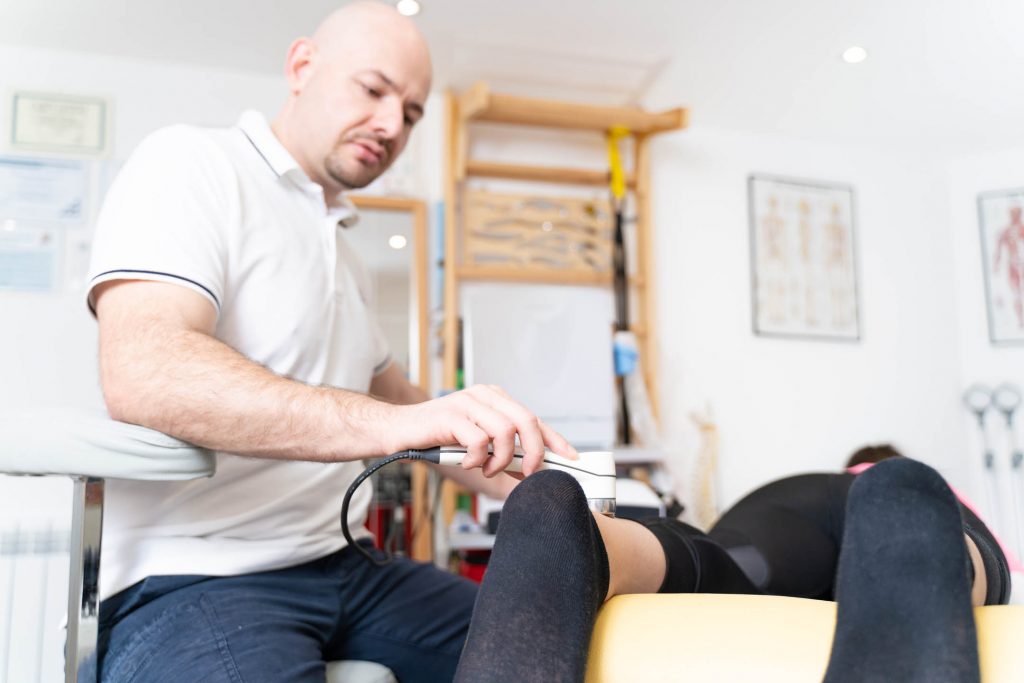
If you’re struggling with stubborn heel or calf pain and searching for Achilles tendonitis physio Southampton, you’ve probably already tried resting, icing, and hoping it would just go away. Yet every time you walk further, climb stairs or try to run, the pain flares again. At PhysioCraft in Southampton, we see this pattern every week – and the truth is simple: rest alone rarely fixes Achilles tendinopathy.
What Is Achilles Tendinopathy – And Why Does It Linger?
Achilles tendinopathy is irritation and overload of the Achilles tendon – the strong band that connects your calf muscles to your heel. It often starts as a mild niggle after running, walking uphill, or playing sport, then slowly turns into a pain that greets you every morning when you get out of bed.
Unlike a simple muscle strain, tendinopathy is usually a longer-term overload problem. Tiny micro-tears, poor blood supply, and changes in the tendon structure all build up over time. That’s why it can feel fine during exercise but ache later, or feel worst first thing in the morning when the tendon has stiffened overnight.
When you come to PhysioCraft for Achilles tendonitis physio Southampton, we don’t just ask, “Where does it hurt?” We look at how you move, what your training or daily activity looks like, your footwear, your strength, and even how your spine, hips and knees are behaving. Achilles pain is often the symptom, not the whole story.
Why Rest Alone Rarely Fixes Achilles Tendinopathy
When your Achilles is sore, it’s natural to stop running or cut back on walking. In the short term, that can ease the pain. But if you only rest, you’re not giving the tendon what it actually needs to heal: progressive, targeted loading. Tendons respond to the right kind of stress – they become stronger and more resilient when loaded correctly.
Long periods of complete rest can actually leave the tendon and calf muscles weaker. Then, when you return to your usual activity, the tendon is less prepared and flares up again. This is why so many people say, “It felt better when I stopped, but as soon as I tried to run again, the pain came back.”
At PhysioCraft in Southampton, we regularly meet people who have been told to “just rest it” for weeks or months. By the time they see us, they’re frustrated, less active, and often more fearful of movement. Our role is to guide you through a structured, evidence-based loading plan that rebuilds the tendon instead of simply giving it time off.
The Problem With Relying Only on Painkillers and Ice
Painkillers, anti-inflammatories and ice can reduce discomfort, but they don’t change how strong or healthy your tendon is. Used alone, they may even mask the pain enough for you to do too much too soon. That can push you back into a flare-up cycle.
We’re not against short-term pain relief where appropriate, but we always combine it with a clear plan to improve tendon capacity, calf strength and movement quality. Short-term relief without long-term strategy rarely gives lasting results.
Why “Pushing Through” Pain Is Just as Unhelpful
On the other side of the spectrum, some people try to ignore the pain and push through it. This can turn a small, manageable problem into a chronic one. Tendons don’t like sudden spikes in load – they prefer gradual, consistent progress.
In your personalised plan at PhysioCraft, we help you find the sweet spot between doing too little and doing too much. That’s where real healing happens.
How PhysioCraft in Southampton Treats Achilles Tendinopathy Differently
At PhysioCraft, every session is 1-to-1 personalised physiotherapy – no group classes, no generic handouts. Your Achilles problem is unique, so your treatment should be too. With almost 20 years of experience and Senior Musculoskeletal Physiotherapist expertise, we combine the best of physiotherapy, chiropractic and osteopathy to give you a comprehensive plan.
Your first step is a thorough assessment. We don’t just look at the tendon; we assess your whole lower limb, spine and movement patterns. If needed, we can also use advanced diagnostic tools such as ultrasound diagnostic assessment to better understand the condition of your tendon and surrounding tissues.
From there, we build a tailored programme that focuses on long-term recovery and prevention, not just short-term pain relief. Our goal is simple: help you return to the activities you love with confidence – and reduce the risk of the pain coming back.
Hands-On Treatment Meets Evidence-Based Exercise
Many people with Achilles pain respond well to a combination of hands-on manual therapy and structured exercise. We may use techniques such as joint mobilisation, soft tissue release, and targeted stretching to improve mobility and reduce tension in the calf, ankle, and foot.
Alongside this, we design a progressive strengthening plan for your calves and Achilles tendon. This might include isometric holds, slow calf raises, and eventually more dynamic exercises – all carefully progressed based on your symptoms and goals. If appropriate, we may incorporate guided rehabilitation exercises to support your recovery between sessions.
Advanced Therapies to Support Faster Healing
For stubborn or long-standing Achilles tendinopathy, we can complement your rehab with advanced physiotherapy technologies such as laser, ultrasound, magnetic therapy and shockwave. These modalities can help stimulate blood flow, reduce pain, and support tissue healing when used as part of a wider treatment plan.
For example, shockwave therapy for chronic tendon pain can be a useful option if your symptoms have been present for months and haven’t responded to rest or basic exercises. We’ll always explain why we recommend a particular treatment and how it fits into your overall plan.
The PhysioCraft Assessment-First Approach
One of the biggest reasons Achilles tendinopathy keeps coming back is that the real underlying cause isn’t identified. Maybe your calf strength is low, your footwear isn’t helping, or your training load jumped too quickly. Sometimes the issue starts higher up – in your hips, knees or even your lower back.
That’s why we always begin with a detailed, head-to-toe assessment. We look at:
- Your pain history and what aggravates or eases it
- How you walk, run, squat and climb stairs
- Calf and glute strength, balance and flexibility
- Foot posture, ankle mobility and overall alignment
- Your training, work and daily activity patterns
By understanding the full picture, we can create a plan that doesn’t just calm the tendon now, but reduces the risk of future flare-ups. This is the difference between short-term symptom relief and genuine recovery.
Home Visits for Convenient, Effective Care
If your pain makes travel difficult, or your schedule is tight, we can provide home physiotherapy visits in Southampton. This allows us to see how you move in your real environment – on your stairs, in your kitchen, or around your home office – and tailor advice even more precisely.
Home visits can be especially helpful if you’re in a severe pain flare, recovering from surgery, or simply want a more convenient way to stay consistent with your rehab. The same high-quality, 1-to-1 care comes to you, with a focus on faster, more comfortable recovery.
What an Achilles Tendinopathy Rehab Plan Typically Includes
Your plan at PhysioCraft will be completely individual, but most successful Achilles tendinopathy programmes share a few key elements. Think of it as a roadmap from painful steps to confident movement.
We’ll always explain each stage so you know why you’re doing every exercise or treatment – not just following instructions blindly. Understanding your condition is a powerful part of taking back control.
1. Calf and Achilles Strengthening
Targeted strengthening is the backbone of effective Achilles rehab. We usually start with exercises that put load through the tendon without excessive strain – for example, isometric calf holds or slow, controlled calf raises on the floor.
Over time, we progress to more challenging movements: calf raises off a step, single-leg work, and eventually plyometric or sport-specific drills if you’re aiming to return to running or jumping sports. Progressive loading helps the tendon become stronger and more tolerant to everyday and sporting demands.
2. Mobility, Alignment and Technique
Stiff ankles, tight calves, or reduced hip mobility can all increase strain on the Achilles. We’ll assess and address these issues with tailored stretches, joint mobilisation and movement coaching. Sometimes small changes to how you walk, run or climb stairs can make a big difference.
If appropriate, we may also discuss footwear, insoles, or temporary activity modifications. In some cases, supportive devices from our orthopaedic appliances and supports service can help offload the tendon while it heals, especially in the early stages.
3. Gradual Return to Sport or Activity
Whether your goal is to walk the dog without pain, run a 10K, or get back to football or tennis, we’ll plan a step-by-step return. This usually includes:
- Clear guidelines on how much walking, running or sport you can do each week
- Checkpoints for when to increase or hold your training
- Strategies to spot early warning signs before a flare-up
Our focus is always on getting you back to normal life quickly, but safely. We’d rather progress steadily than rush and end up back at square one.
Why Choose PhysioCraft for Achilles Tendonitis Physio in Southampton?
When you’re in pain, you need more than a quick massage or a sheet of generic exercises. At PhysioCraft, we offer a comprehensive, evidence-based approach that’s built around you – your body, your lifestyle, and your goals.
Here’s what sets us apart if you’re looking for Achilles tendonitis physio Southampton:
- 1-to-1 personalised care – every session is focused solely on you, with no group treatment.
- Almost 20 years of experience – Senior Musculoskeletal Physiotherapist expertise guiding your plan.
- Combination of physiotherapy, chiropractic and osteopathy techniques for more complete results.
- Advanced therapies available, including laser, ultrasound, magnetic therapy and shockwave, when appropriate.
- Home visits in Southampton for convenient, effective care if you can’t easily travel.
- Focus on long-term recovery and prevention, not just short-term pain relief.
Our aim is simple: help you walk, climb stairs, run and live without constantly worrying about your Achilles.
Frequently Asked Questions
How long does Achilles tendinopathy take to heal?
Healing time varies, but many people start to notice improvement within a few weeks of structured rehab. For long-standing or severe cases, it can take several months for the tendon to fully adapt and become more resilient. With a consistent, well-planned programme, you can usually expect steady progress rather than overnight change. We’ll be honest about timelines and adjust your plan as you go.
Should I stop all exercise if I have Achilles pain?
In most cases, you don’t need to stop everything. Instead, we’ll help you modify your activities so you stay as active as possible without aggravating the tendon. That might mean reducing running distance, switching to lower-impact exercise temporarily, or changing how often you train. Completely stopping all movement is rarely the best long-term solution.
Can advanced therapies like shockwave or laser help my Achilles?
Advanced therapies such as shockwave, laser, ultrasound or magnetic therapy can be very helpful for some people, especially if your symptoms have been present for a long time or haven’t responded to basic rest and exercise. However, they work best as part of a broader, exercise-based rehabilitation plan, not as a standalone quick fix. We’ll discuss whether these options are suitable for you after a full assessment.
Do I need a referral to see a physiotherapist at PhysioCraft?
No referral is usually needed. You can book directly with us for Achilles tendonitis physio Southampton. If we feel you need further medical investigations or input from another specialist, we’ll explain why and help guide you through the next steps.
Take the Next Step Towards Pain-Free Movement
If your Achilles pain is stopping you from walking comfortably, enjoying sport, or simply living life without constant discomfort, it’s time to move beyond rest and guesswork. With PhysioCraft’s 1-to-1, assessment-first approach and combination of hands-on care, targeted exercise and advanced therapies, you don’t have to manage this alone.
Based in Southampton, we’re here to help you understand what’s really causing your pain and guide you through a clear, personalised plan to fix it – not just mask it. Take the first step today and book an Achilles assessment at PhysioCraft in Southampton. We’ll work with you to get you back on your feet, moving with confidence again.