
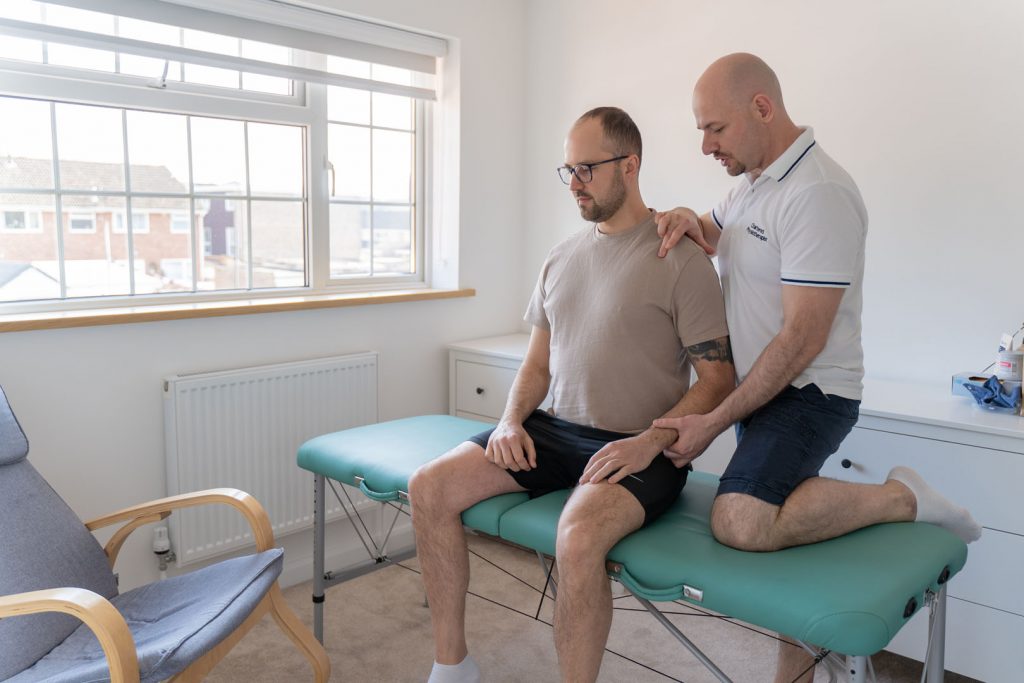
If you sail regularly on the River Hamble, you probably accept the odd bruise or ache as part of the sport. But when pain lingers or keeps you off the water, it stops being “just part of sailing” and becomes a real problem. At PhysioCraft, we provide sailing injury physiotherapy Hampshire sailors can rely on to get back on deck safely, with a clear plan and long-term protection against repeat injuries.
The Hidden Demands of Sailing on the Hamble
Sailing looks graceful from the shore, but you know how physically demanding it really is. Hauling lines, hiking out, grinding winches and moving quickly around a crowded deck all put intense strain on your muscles and joints. Add strong winds, choppy Solent conditions and long race days, and it’s no surprise that sailing injuries on the Hamble are so common.
Because many sailing injuries build up slowly over time, you might ignore them until they suddenly flare up. That’s where a thorough, assessment-first physiotherapy approach makes a big difference. Before any treatment, you need to understand exactly what’s going on – which structures are irritated, what movements are triggering pain, and whether your technique or strength imbalances are part of the problem.
1. Lower Back Pain from Grinding, Trimming and Long Days Afloat
One of the most common problems we see in local sailors is lower back pain. Long periods sitting on the rail, lifting kit, twisting to trim, and bracing in awkward positions all load your spine. Over time, this can irritate the joints, discs and muscles around your lower back, leaving you stiff, sore and less confident on board.
At PhysioCraft, we combine physiotherapy, chiropractic and osteopathy techniques to ease pressure on the spine and restore normal movement. That might include joint mobilisation, soft tissue work, and specific exercises to help your back cope better with the demands of sailing on the Hamble and beyond.
How we assess your back pain
Instead of just treating the sore area, we start with a detailed assessment of your posture, hip and core strength, and how you move when you bend, twist and lift. Our senior musculoskeletal physiotherapist will look for patterns that explain why your back is struggling – for example, stiff hips forcing your spine to twist more during grinding, or weak glutes making your lower back overwork on the rail.
When needed, we may recommend a more detailed assessment and examination session to fully understand complex or long-standing back issues. This thorough approach means your treatment plan is tailored to what you actually do on the water, not just generic back stretches.
Treatment options for sailing-related back pain
Your treatment might include a mix of hands-on manual therapy, targeted exercises and advice on how to protect your back during hoists, drops and manoeuvres. Where appropriate, we can also use advanced therapies such as laser, ultrasound or magnetic therapy to calm inflammation and speed healing.
If you’re struggling to move comfortably or driving is difficult after a long regatta, our home physiotherapy visits in Hampshire can be a practical option, helping you start recovery quickly without having to travel.
2. Shoulder and Rotator Cuff Injuries from Winching and Hoisting
Your shoulders work incredibly hard when you sail. Grinding winches, hoisting sails, and repeated trimming all place heavy, repetitive loads on the small muscles of the rotator cuff. Over time, this can lead to tendinopathy, impingement, or even small tears that cause sharp pain when you lift your arm or pull a line.
Many sailors in Hampshire try to “sail through” shoulder pain, only to find that it gradually worsens and starts to affect daily tasks like lifting shopping or reaching overhead. The earlier you address it with sailing injury physiotherapy Hampshire based support, the easier it is to settle down and prevent long-term damage.
Why shoulder injuries are so common in sailors
On a moving boat, your shoulder has to stabilise and generate power at the same time. If your shoulder blade muscles and rotator cuff aren’t strong enough, other structures start to compensate. Poor technique, fatigue, and old injuries can all add to the strain, especially during heavy-weather sailing on the Hamble.
Our assessment focuses on how your shoulder moves, which muscles are overworking, and whether your neck or upper back stiffness is contributing. This whole-chain view is crucial for long-term recovery and prevention, not just short-term pain relief.
Targeted treatment for sailors’ shoulders
Treatment often includes manual therapy to improve joint mobility, specific strengthening exercises for the rotator cuff and shoulder blade, and taping or support when you first return to sailing. We may use ultrasound therapy or laser therapy to help calm tendon irritation and support tissue repair.
We’ll also talk through practical changes on board – such as adjusting your position at the winch, sharing heavy tasks, or modifying how you hoist – so your shoulder can cope better with real-world sailing demands.
3. Knee and Hip Strain from Hiking, Bracing and Moving Around the Boat
Whether you’re hiking hard on a dinghy, bracing on the rail of a keelboat, or constantly stepping over lines and through hatches, your knees and hips take a lot of punishment. It’s very common for sailors to develop knee pain, hip tightness or groin strain, especially during busy racing seasons on the Solent.
These injuries often start as a dull ache after sailing and then progress to sharp pain when you squat, climb stairs or sit for long periods. Ignoring them can lead to more serious issues such as cartilage irritation or chronic tendon problems that keep you off the water for weeks or months.
Finding the true cause of your knee or hip pain
Because the lower body works as a chain, pain in one area is often driven by stiffness or weakness somewhere else. During your assessment, we’ll look closely at your hip mobility, glute strength, foot position and core control, as well as the specific positions you adopt on your boat.
We may suggest a tailored programme of rehabilitation exercises designed around your boat type and role on board. This makes your recovery directly relevant to your time on the Hamble, rather than generic gym work that doesn’t match your real movements.
Hands-on and advanced therapies for faster recovery
Depending on your diagnosis, we may use a combination of joint mobilisation, soft tissue release, and advanced options such as shockwave therapy for stubborn tendon issues. Our goal is always to reduce pain, restore mobility and help you return to normal life and sailing as quickly as possible, while reducing the risk of the same problem coming back.
For older sailors or those recovering from surgery, we can adapt treatment to your specific needs, including gentler approaches and support with balance, strength and confidence on deck.
4. Wrist, Elbow and Hand Problems from Repetitive Line Work
Hauling halyards, sheeting in, and constant trimming can leave your wrists, elbows and hands sore, stiff and swollen. Conditions like tennis elbow, golfer’s elbow, and wrist tendinopathy are very common in active sailors, especially those who race frequently or sail on larger boats with heavier loads.
These injuries can be frustrating because they affect everyday tasks such as typing, lifting a kettle or driving, not just sailing. Getting the right diagnosis and treatment early can prevent them becoming chronic, which is where a specialist, evidence-based physiotherapy approach is invaluable.
Why overuse injuries develop in the forearm and hand
Repetitive gripping, pulling and twisting loads the small tendons around your elbow and wrist. If your technique, strength or equipment setup isn’t quite right, those tendons can become overloaded. Combined with long regatta days on the Hamble and limited recovery time, this can quickly turn into persistent pain.
We assess not just the painful area, but your whole upper limb – including shoulder and neck – to see how force is being transferred. This helps us identify whether your forearm is doing too much because other areas aren’t pulling their weight.
Practical treatment and on-board modifications
Treatment may include soft tissue techniques, joint mobilisation, and progressive strengthening exercises to build resilience in the affected tendons. We might also use taping or bracing initially, so you can continue some activity while the tissue heals.
We’ll discuss simple adjustments like changing how you grip lines, varying which hand you use for certain tasks, or altering your position relative to the winch. These small changes, combined with targeted rehabilitation, can make a big difference to your comfort during and after sailing.
5. Neck Strain and Upper Back Tightness from Constant Looking and Bracing
From checking tell-tales and sail trim to keeping an eye on traffic on the busy River Hamble, your neck is constantly turning, extending and bracing. Over time, this can lead to neck pain, headaches and upper back tightness, especially in choppy conditions or on longer passages.
Many sailors put this down to “just a stiff neck”, but persistent symptoms can affect your concentration, sleep and even your balance. Addressing neck and upper back issues properly can make sailing – and everyday life – much more comfortable.
Understanding your neck and upper back mechanics
We’ll assess how your neck moves, how your shoulder blades and upper back support it, and whether your posture off the water (for example, at work or when driving) is contributing. Often, a combination of sailing posture and desk posture is to blame, and both need addressing for long-term relief.
Because your nervous system runs through the neck, we’re careful to screen for any warning signs and ensure that treatment is safe and appropriate for your specific situation.
Treatment strategies for sailors’ neck pain
Treatment may include gentle joint techniques, soft tissue work, and exercises to improve strength and endurance in your deep neck and upper back muscles. We’ll also look at how you sit, stand and move on board, and suggest small changes to reduce strain during long days on the Hamble.
For some sailors, combining manual therapy with advanced modalities such as laser or magnetic therapy can help settle stubborn pain and allow you to return to sailing with more confidence and comfort.
How PhysioCraft Supports Sailors Across Hampshire
Based in Hampshire, PhysioCraft works with recreational and competitive sailors from the Hamble, Southampton and the wider Solent area. With almost 20 years’ experience and senior musculoskeletal expertise, we understand both the physical demands of sailing and the importance of getting you back on the water safely.
Our approach is always 1-to-1 and personalised – no group sessions, no generic exercise sheets. Every treatment plan is tailored to your specific injury, your boat type, your role on board, and your wider lifestyle. We blend physiotherapy, chiropractic and osteopathy techniques with advanced therapies like shockwave, laser and ultrasound to give you the best possible outcome.
If your schedule is tight or pain makes travel difficult, we can also offer home physiotherapy visits across parts of Hampshire, bringing expert care directly to you so you can start recovery sooner.
Frequently Asked Questions
Do I really need physiotherapy for my sailing injury?
If pain has lasted more than a few days, keeps returning after sailing, or is stopping you from performing at your best, it’s worth getting it checked. Early sailing injury physiotherapy can prevent a minor problem from becoming a long-term issue that keeps you off the water for weeks or months.
How many sessions will I need?
This depends on the type and severity of your injury, how long you’ve had it, and your sailing schedule. After your initial assessment, we’ll explain clearly what we’ve found, how long recovery is likely to take, and how many sessions we expect you’ll need. Our aim is always to get you independent and confident as quickly as possible, not to keep you in treatment unnecessarily.
Can I keep sailing while I’m having treatment?
In many cases, yes – with some modifications. We’ll be honest with you about what’s safe and what isn’t. Sometimes we’ll suggest temporary changes to your role on board, reduce your training volume, or adjust how you perform certain tasks, so you can keep involved while your injury heals.
Do you work with competitive sailors as well as leisure sailors?
Yes. We see a wide range of sailors from across Hampshire – from leisure cruisers on the Hamble to competitive racers on the Solent. Your treatment plan will reflect your goals, whether that’s pain-free weekend cruising or performing at your best for a major regatta.
Ready to Get Back on the Water? Take the Next Step
If you’re struggling with pain from sailing on the Hamble or anywhere in Hampshire, you don’t have to just “put up with it”. With the right assessment, hands-on treatment and a tailored plan, you can reduce pain, move more freely and protect yourself from repeat injuries.
To start your recovery, you can book a 1-to-1 physiotherapy appointment with PhysioCraft today and get a clear, personalised plan to help you return to the water with confidence.