
If you live with back pain, it can be hard to know when it’s just a passing ache and when it might be something more serious. Understanding when to worry about back pain is important so you don’t ignore warning signs or, equally, panic over normal muscle soreness. At PhysioCraft in Southampton, we help people every day who are unsure whether their back pain needs professional attention, and this guide will walk you through the key signs to look out for.
1. Back pain that doesn’t improve after a few weeks
Most simple back strains start to ease within a few days and feel noticeably better within two to four weeks. If your pain is lingering beyond this, or even getting worse, it’s a strong sign that you should get it checked. Ongoing pain can indicate an underlying issue with your joints, discs, or nerves that won’t resolve with rest alone.
Persistent pain can also lead to changes in how you move. You might start to avoid certain positions, tense up your muscles, or rely more on one side of your body. Over time, this can create a cycle where your back becomes stiffer and more sensitive, making everything feel worse. Knowing when to worry about back pain that isn’t improving can save you months of discomfort and frustration.
If your back has been troubling you for more than a couple of weeks, especially if you’re in or around Southampton, a detailed assessment can help uncover what’s really going on. At PhysioCraft, we carry out thorough physiotherapy assessments and examinations to identify the root cause and create a plan to get you moving again.
When “normal” soreness becomes a concern
It’s common to feel some stiffness after a long day, heavy lifting, or trying a new exercise routine. This kind of soreness usually feels better with gentle movement, stretching, or a warm shower. It tends to come and go, and you can still do most of your usual activities.
By contrast, pain that lingers all day, limits your movement, or wakes you up at night is more worrying. If you feel like your back never really “switches off” from hurting, or you’re afraid to move because it might “go” again, it’s time to seek advice from a professional in Southampton who understands back pain in depth.
Why early help matters
Leaving persistent back pain to “see if it goes away” can sometimes allow a small problem to become more complicated. Muscles weaken, joints stiffen, and your confidence in your back drops. Getting the right treatment and exercises early often means you recover faster and need fewer appointments overall.
2. Back pain with leg symptoms (numbness, tingling, or weakness)
Another clear sign of when to worry about back pain is when it’s accompanied by symptoms in your legs. If you notice numbness, tingling, burning sensations, or weakness in one or both legs, it could mean that a nerve in your lower back is irritated or compressed.
People often describe this as sciatica – pain that travels from the lower back or buttock down the back or side of the leg, sometimes as far as the foot. You might feel sharp, shooting pain, or a constant ache that makes it hard to sit, stand, or walk for long. These symptoms suggest that your back pain isn’t just a simple muscle strain.
Common causes of back and leg pain together
Leg symptoms can be caused by several issues, such as a bulging disc, narrowing of the spinal canal (spinal stenosis), or irritation around the joints of the spine. Not all of these are serious in the sense of needing surgery, but they do need proper assessment and a tailored treatment plan.
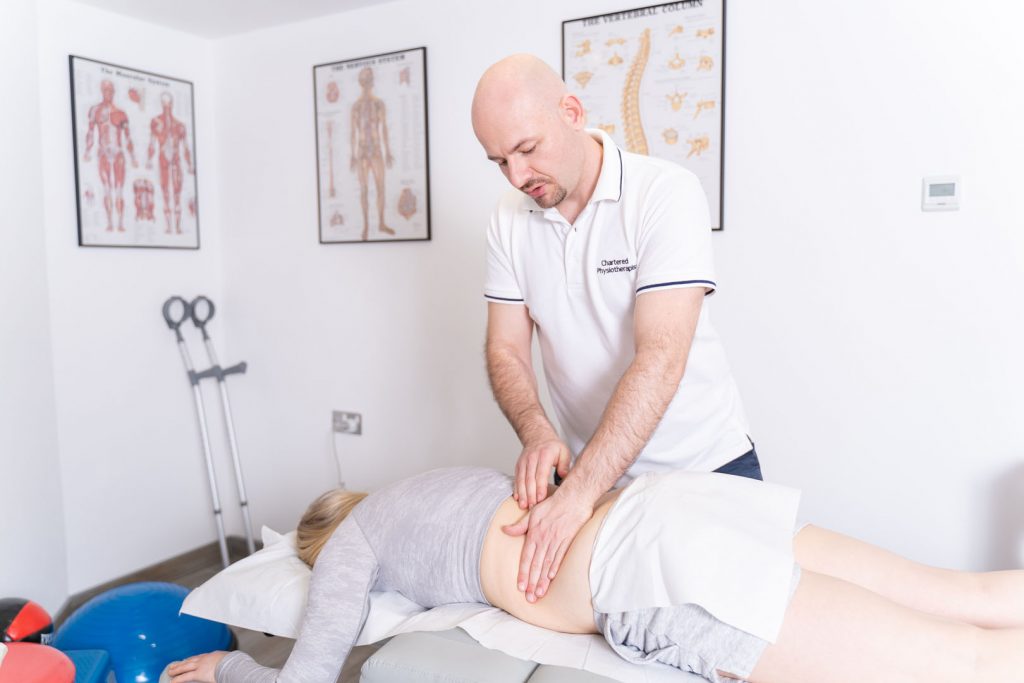
At PhysioCraft in Southampton, we often combine hands-on techniques such as manual therapy for back and spinal joints with targeted exercises to relieve pressure on the nerves and improve how your spine moves.
When leg symptoms are an emergency
While many cases of back and leg pain can be managed safely with physiotherapy, there are some urgent warning signs you must not ignore. If you suddenly develop severe weakness in your legs, struggle to lift your foot when walking (foot drop), or lose control of your bladder or bowels, seek emergency medical help immediately. These symptoms can indicate a rare but serious condition that needs urgent treatment.
3. Back pain after a fall, accident, or injury
Back pain that starts after a specific incident, such as a fall, car accident, sports injury, or heavy lift, deserves extra attention. In these situations, you know exactly when the pain began, and it may have been severe from the start. This doesn’t always mean something is seriously wrong, but it does raise the stakes and is a clear example of when to worry about back pain.
If you’ve had a significant trauma – for example, falling from a height or being involved in a collision – it’s important to rule out fractures or other structural injuries. Even if you can still move, there could be underlying damage that needs a proper medical check.
Warning signs after an injury
After an accident or fall, you should seek urgent help if you notice any of the following: intense pain that doesn’t ease with rest, visible deformity of the spine, difficulty walking, or loss of sensation in your legs. These can all point to more serious damage.
For less severe injuries, where you can still move but feel ongoing pain or stiffness, a physiotherapy assessment in Southampton can help you recover safely and confidently. Gentle hands-on treatment and guided rehabilitation can reduce pain, restore movement, and lower your risk of long-term problems.
Recovering safely from back injuries
After an injury, it’s natural to feel nervous about moving your back. However, staying completely still for too long can actually slow your recovery. A structured plan that gradually reintroduces movement and strength is usually the safest and most effective way forward.
At PhysioCraft, we design tailored rehabilitation exercise programmes for back recovery so you know exactly what to do, how much, and when.
4. Back pain with red flag symptoms
Some symptoms, when combined with back pain, are considered “red flags” because they can signal a serious underlying condition. Knowing these signs helps you recognise when to worry about back pain and seek urgent medical attention rather than waiting to see if it settles.
While these situations are not common, it’s important to be aware of them. If you experience any of the red flag symptoms below, contact a doctor, NHS 111, or emergency services straight away, especially if you’re in Southampton and unsure where to go.
Key red flag symptoms to watch for
You should seek urgent medical help if your back pain is accompanied by any of the following:
- Loss of bladder or bowel control, or difficulty starting or stopping urination
- Numbness around your genitals, anus, or inner thighs (saddle area)
- Severe, unrelenting pain that doesn’t change with position or rest
- Unexplained weight loss, fever, or feeling generally very unwell
- A history of cancer, osteoporosis, or long-term steroid use combined with new back pain
These signs do not automatically mean something serious is wrong, but they do mean you should be checked urgently to be safe.
Balancing caution with reassurance
It’s easy to feel anxious when you read about red flag symptoms. Remember that the vast majority of back pain is not caused by serious disease. However, being aware of these warning signs helps you act quickly if needed and gives you peace of mind when they are not present.
In Southampton, your GP, local urgent care, or A&E department can help rule out serious conditions. Once anything urgent has been excluded, working with a physiotherapist at PhysioCraft can help you focus on practical steps to reduce your pain and improve your mobility.
5. Back pain that limits your daily life
Sometimes, the question of when to worry about back pain is less about danger and more about quality of life. If your back pain is stopping you from doing the things you enjoy – playing with your children, walking around Southampton, exercising, or even sleeping well – that alone is a good reason to seek help.
Persistent pain can affect your mood, energy levels, and confidence. You might start to avoid social activities, hobbies, or even work tasks because you’re afraid of making things worse. Over time, this can have a bigger impact on your wellbeing than you realise.
How pain affects your movement and mood
When your back hurts, your body naturally tries to protect the area. You may tense up, move more stiffly, or change how you sit and stand. These protective patterns are useful in the short term, but if they continue, they can keep your muscles tight and your joints restricted.
This can lead to a frustrating loop: pain makes you move less, moving less makes you stiffer and weaker, and that stiffness and weakness then make your pain worse. Breaking this cycle is a key goal of good physiotherapy.
Getting back to the activities you love
Effective back pain treatment is not just about easing symptoms; it’s about helping you return to the life you want. That might mean being able to walk along the Southampton waterfront without worrying about your back, getting through a workday comfortably, or feeling confident enough to exercise again.
At PhysioCraft, we offer personalised back pain treatment and rehabilitation that focuses on your goals, not just your diagnosis.
How physiotherapy can help your back pain
Once you’ve decided your symptoms are more than a simple ache, the next step is finding the right support. Physiotherapy is a safe, evidence-based way to manage most types of back pain, whether your problem is new or has been going on for months or years.
In Southampton, many people choose PhysioCraft because we combine hands-on treatment, movement coaching, and lifestyle advice. This holistic approach helps you understand your back, feel more in control, and build long-term resilience rather than relying on quick fixes.
What to expect from treatment
During your first session, your physiotherapist will listen carefully to your story – when your pain started, what makes it better or worse, and how it’s affecting your life. They’ll then carry out a physical examination to test your movement, strength, and nerve function where needed.
Based on this, you’ll receive a clear explanation of what’s likely causing your pain and a step-by-step plan to move forward. Treatment may include manual therapy, soft tissue techniques, mobility work, and a tailored exercise programme designed around your current abilities and goals.
Building confidence in your back again
One of the most powerful benefits of physiotherapy is rebuilding your confidence. When you understand your condition and have a plan, you’re less likely to fear movement or worry that every twinge means something serious is happening. This reassurance is especially valuable when you’ve spent a long time not knowing when to worry about back pain and when to carry on.
By gradually increasing your activity levels under professional guidance, you can return to walking, working, and exercising with more freedom and less fear. Many of our Southampton clients tell us they wish they had sought help sooner.
Frequently Asked Questions
How do I know if my back pain is muscular or something more serious?
Muscular back pain often follows a clear trigger, such as lifting, exercise, or an awkward movement. It usually feels better with gentle movement, stretching, and heat, and improves over days to a couple of weeks. More serious issues may cause pain that doesn’t change with position, is severe at night, or comes with leg symptoms, numbness, weakness, or red flag signs like bladder or bowel changes. If you’re unsure, it’s always safer to get a professional assessment.
When should I see a physiotherapist for back pain?
You should consider seeing a physiotherapist if your back pain lasts more than one to two weeks, keeps coming back, or stops you from doing everyday activities. You should also seek help if you’re worried about your symptoms and want clear guidance on when to worry about back pain versus when it’s safe to keep moving. In Southampton, you can contact PhysioCraft directly without needing a GP referral.
Can I exercise with back pain, or should I rest?
Complete rest is rarely the best answer for back pain. While you may need to ease off certain activities in the short term, gentle movement usually helps your back recover. The key is choosing the right type and amount of exercise for your situation. A physiotherapist can show you safe movements and progressions so you stay active without aggravating your symptoms.
Do I need a scan for my back pain?
Most people with back pain do not need an MRI or X-ray. Scans are usually reserved for cases where serious conditions are suspected or when symptoms are not improving despite appropriate treatment. A skilled physiotherapist can often identify the likely cause of your pain through a detailed assessment and only recommend further investigations if they are genuinely needed.
Conclusion: Take the next step towards a healthier back
Knowing when to worry about back pain can be confusing, but you don’t have to figure it out alone. If your pain is lasting longer than a couple of weeks, affecting your daily life, or coming with worrying symptoms, it’s time to seek expert support. Getting clear answers and a personalised plan can make a huge difference to how you feel, move, and live.
If you’re in or around Southampton and concerned about your back, the team at PhysioCraft is here to help. We’ll listen to your story, assess your spine carefully, and guide you step by step towards better movement and less pain. Take the first step today and book an appointment with PhysioCraft in Southampton to start your recovery with confidence.