
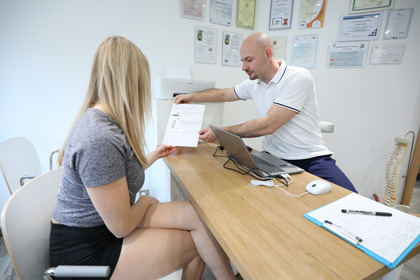
If you are living with ongoing pain, stiffness or a recent injury, you have probably wondered whether to see an NHS physio or invest in private physio UK care. In Southampton and across the UK, waiting lists are growing, and it can be hard to know which route will actually get you back to normal life sooner. This guide will walk you through the key differences between private physiotherapy and NHS services so you can make a confident, informed choice that fits your body, your budget and your goals.
Understanding Your Options: NHS vs Private Physiotherapy in the UK
When you are in pain, it is natural to feel overwhelmed by options. On the NHS, physiotherapy is generally free at the point of use, but you may face long waits and shorter sessions. With private physio UK services, you usually get faster access, longer appointments and more flexibility, but you have to pay out of pocket or through insurance.
In many parts of the UK, including Southampton, NHS physiotherapy is in high demand. This can mean weeks or even months before your first appointment. During that time, your problem may improve, but it can also worsen or become more complex. Private providers like PhysioCraft can often see you within days, helping you start treatment while your issue is still easier to manage. For many people, that time saving alone is a major deciding factor.
It is also important to remember that both NHS and private physiotherapists are trained, registered professionals. The difference is less about clinical skill and more about how quickly and how personally your care can be delivered. Understanding those practical differences is the key to choosing what is best for you.
Speed of Access: How Quickly Can You Start Physiotherapy?
When you are struggling to walk, sit at your desk or sleep through the night, speed matters. One of the biggest advantages of private physio UK care is how quickly you can get started. In many NHS services, you will first need a GP appointment, then a referral, and then you join a waiting list. It is not unusual to wait several weeks before you are even assessed.
With private physiotherapy in Southampton, you can usually self-refer and book directly. At PhysioCraft, you can arrange an initial assessment and examination online or by phone, often within a few days. That means you get clarity about what is wrong and what to do about it much sooner. For acute injuries, early treatment can significantly reduce recovery time and lower the risk of long-term issues.
Why Early Intervention Matters for Recovery
The first few weeks after an injury or flare-up are often the most important. During this time your body is trying to heal, but pain, swelling and muscle guarding can limit movement. If you wait too long, you may develop compensations, stiffness and weakness that take longer to undo. Early physiotherapy can help you move safely, control pain and protect the injured area while still encouraging healing.
In the UK, many people choose private physiotherapy for this reason alone. They may still value the NHS, but they do not want to lose valuable recovery time on a waiting list. Getting fast access to expert guidance can also reduce anxiety, because you finally know what is going on and what to expect.
How This Plays Out in Real Life
Imagine you twist your knee playing football in Southampton. On the NHS, you might wait weeks for a physio appointment while trying to rest and manage pain on your own. With private care, you could be assessed within days, have a clear diagnosis, and start a tailored exercise plan. That difference in timing can be the gap between a short, focused rehab and a long, frustrating recovery.
Session Length, Personal Attention and Treatment Choice
Another key difference between NHS and private physio UK care is how much time your therapist can spend with you. NHS appointments are often shorter and may be spaced further apart due to high demand. In some areas, you might also be seen in group classes rather than one-to-one sessions, especially for common problems like back pain.
In private practice, sessions are typically longer and fully one-to-one. At PhysioCraft, your initial session includes a detailed history, physical examination and time for hands-on treatment plus exercise planning. More time together means your physio can listen properly, explain clearly and tailor treatment to your lifestyle – whether you are a runner, an office worker or someone caring for young children or older relatives.
Hands-On Treatment vs Exercise-Only Approaches
Because of time pressures, NHS physiotherapy can sometimes focus mainly on advice and exercises, with limited hands-on treatment. While exercises are essential, many people also benefit from manual therapy, massage and other techniques to ease pain and improve movement.
Private physiotherapy usually offers a wider range of options. At PhysioCraft in Southampton, your plan might include manual therapy techniques to improve joint and soft tissue mobility, or targeted rehabilitation exercises to rebuild strength and control. Combining hands-on treatment with specific exercises often delivers faster, more lasting results than exercise alone.
Choice of Treatments and Technology
Private clinics may also offer treatments and technologies that are not always available in standard NHS settings, depending on your area. At PhysioCraft, for example, your assessment could be supported by USG diagnostic imaging to better understand soft tissue injuries, or complemented by options like shockwave therapy or ultrasound therapy where clinically appropriate.
Not every person needs advanced modalities, and they are never a substitute for a good assessment and exercise plan. But having access to them when they are indicated can be a significant advantage, especially for stubborn tendon problems or long-standing pain.
Cost, Value and Long-Term Savings
Cost is often the biggest concern when comparing NHS and private physio UK options. NHS care is free at the point of use, whereas private sessions require an upfront payment or health insurance. It is understandable to hesitate about spending money on your health, especially with household budgets under pressure.
However, it is also worth thinking in terms of value and long-term savings. Effective, timely treatment can help you return to work sooner, avoid unnecessary time off, and reduce reliance on pain medication. For some people, a short course of focused private physiotherapy works out cheaper than months of struggling, repeated GP visits and ongoing prescriptions.
How Many Sessions Will You Need?
The number of sessions you need depends on your condition, how long you have had it and your goals. A simple sprain might improve in just a few appointments, while long-standing back pain or post-surgical rehab may need a longer programme. A key benefit of private care is that your treatment plan can be tailored to your progress, not to a fixed number of sessions set by a service protocol.
At PhysioCraft in Southampton, you will always discuss expected timeframes and costs upfront. You stay in control of how often you attend, and you will be given home exercises so you can actively contribute to your own recovery between sessions. That shared responsibility often reduces the total number of appointments needed.
Is Private Physiotherapy Worth It If You Already Use the NHS?
Many people in the UK choose a blended approach: they remain under NHS care for some aspects of their health, but use private physiotherapy when they need faster or more personalised support. You do not have to choose one system forever. You can use private physio to get on top of a flare-up, then continue with NHS classes or self-management later on.
If you are unsure whether private care is right for you, consider how much your pain is currently affecting your work, hobbies, sleep and relationships. If it is significantly limiting your life, investing in targeted treatment now may be one of the most cost-effective decisions you can make.
Condition Types: When Private Physio Can Make the Biggest Difference
Both NHS and private physio UK services can help with a wide range of problems – from sports injuries to arthritis, post-surgical rehab to everyday neck and back pain. The question is not usually “can they treat this?” but rather “how quickly and how intensively can they treat it?”.
In Southampton, people often turn to private physiotherapy when they have back pain, sports injuries or complex, long-term conditions that have not responded well to basic advice alone. Back pain treatment is a common example: early, one-to-one care can prevent a short-term strain becoming a recurring problem that affects your work and mood.
Back and Neck Pain
If you spend long hours at a desk or driving, you might already know how persistent back and neck pain can be. Private clinics like PhysioCraft can offer a mix of specialist back pain treatment , hands-on techniques and targeted exercises to address the root causes of your discomfort. Improving posture, mobility and strength together usually delivers better results than relying on painkillers alone.
Because appointments are longer, there is time to look at your workstation set-up, daily habits and stress levels – all of which can contribute to ongoing pain. That whole-person approach is harder to achieve in short, infrequent sessions.
Sports Injuries and Active Lifestyles
If you run, cycle, go to the gym or play team sports in Southampton, you probably want to get back to your activities as soon – and as safely – as possible. Private physiotherapy can help you understand exactly what has been injured and guide you through a phased return to sport. That might include a mix of sports injury physiotherapy, sports massage and progressive strengthening.
For active people, the benefit is not just pain relief, but confidence. Knowing when it is safe to push and when to hold back can prevent re-injury and help you perform at your best again.
Convenience, Continuity and the Human Side of Care
Beyond clinical details, there is the simple question of what it feels like to receive care. With private physio UK services, you typically see the same therapist each time, at appointment times that fit more easily around work and family. Evening or weekend slots may be available, and reception teams can help you reschedule quickly if life changes.
On the NHS, you might see different therapists over a course of treatment, and appointment times may be more limited. The quality of care can still be excellent, but you may have less continuity and flexibility. For many people, especially those juggling busy lives in Southampton, convenience is a major factor in sticking to a rehab plan.
Building a Relationship With Your Physiotherapist
Recovery is not just physical – it is emotional too. When you see the same physio regularly, they get to know your history, your fears and your goals. That relationship can make it easier to stay motivated, ask questions and be honest about setbacks. Feeling heard and understood is a powerful part of healing.
Private settings can also offer a calmer, less rushed environment, which some people find more comfortable if they are anxious about treatment or self-conscious about their body.
Home Visits and Support for Older Adults
For some people, getting to a clinic is difficult. In those cases, private home visit services can be invaluable. If you or a family member in Southampton is struggling with mobility, balance or recovery after illness, arranging home-based physiotherapy can make treatment far more accessible and less stressful.
Having a physiotherapist assess your home environment also allows them to suggest practical changes to reduce falls risk and make everyday tasks easier – from getting out of bed to using the stairs safely.
Frequently Asked Questions
Is private physiotherapy better than NHS physiotherapy?
“Better” depends on what matters most to you. NHS physios are highly trained, but services are often limited by time and resources. Private physio UK care usually offers faster access, longer one-to-one sessions and more flexible treatment options. If you need quick, personalised support – especially in areas like Southampton with long NHS waits – private care may be the more effective choice.
How many private physio sessions will I need?
The number of sessions depends on your condition, how long you have had it and your goals. A minor injury might improve in 3–4 sessions, while long-standing or post-surgical issues may need a longer programme. At PhysioCraft, your physiotherapist will explain what to expect after your first assessment and adjust the plan as you progress.
Can I see a private physio and still use NHS services?
Yes. Many people in the UK use a combination of NHS and private care. You might choose private physiotherapy initially for faster access and more intensive treatment, then continue with NHS classes or self-management later. Your private physio can also advise you on what to discuss with your GP or hospital team.
Is private physiotherapy in Southampton covered by health insurance?
Some health insurance policies do cover private physio UK treatment, but the details vary. It is best to check your policy or contact your insurer directly. If you are not insured, you can still self-fund sessions, and your physiotherapist will always discuss costs and expected treatment length upfront.
Conclusion: Choosing the Right Path for Your Recovery
Deciding between NHS and private physiotherapy is a personal choice, but you do not have to make it blindly. If you are in pain in Southampton, consider how quickly you want help, how much personal attention you need, and how your symptoms are affecting your daily life. Private physio UK services like PhysioCraft can offer fast access, tailored treatment and a clear plan to get you moving confidently again.
If you are ready to take the next step, you can arrange your first appointment online today via PhysioCraft’s online booking page. Whether you are dealing with a new injury or long-standing pain, getting expert support now can help you reclaim the activities, work and hobbies that matter most to you.