
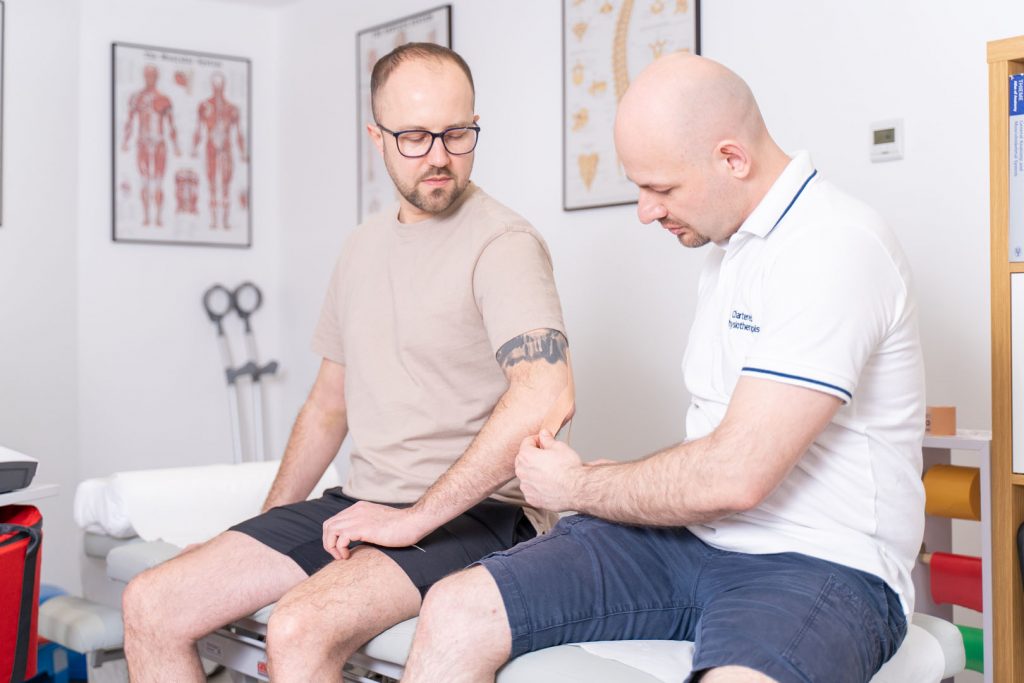
If you’re searching for tennis elbow treatment Southampton, chances are this nagging pain on the outside of your elbow has been bothering you for a while – and maybe it keeps coming back just when you think it’s gone. At PhysioCraft, we see this all the time. The good news? With the right assessment, a clear plan, and targeted treatment, you can finally break the cycle and get back to using your arm with confidence.
What Exactly Is Tennis Elbow – and Why Is It So Stubborn?
Tennis elbow (lateral epicondylitis) isn’t just a sports injury. In fact, many people we help in Southampton have never picked up a tennis racket. The problem comes from irritation and tiny tears in the tendons that attach to the outside of your elbow, usually caused by repetitive gripping, lifting, or twisting movements. Everyday tasks like using a computer mouse, lifting shopping bags, or DIY work can all trigger it.
The pain can be sharp when you grip, twist a door handle, pick up a kettle, or even shake hands. It often feels worse when you first start using your arm, then eases a little as you warm up – only to flare again later. This stop–start pattern is one of the reasons it’s so frustrating. You may rest for a bit, feel better, then go back to normal activities and the pain returns. Without the right tennis elbow treatment Southampton, the underlying tendon changes are never properly addressed, so the problem keeps resurfacing.
Why Your Tennis Elbow Keeps Coming Back
If you’ve tried rest, painkillers, or a strap from the chemist and your elbow still hurts, you’re not alone. At PhysioCraft in Southampton, we regularly see people whose symptoms have lingered for months, sometimes even years. The reason it keeps coming back is usually a combination of factors that haven’t been fully identified or treated.
First, many people only treat the symptoms – the pain – and not the cause. Ice, anti-inflammatory gels, and rest can all help in the short term, but they don’t change how your tendon is loading or how your muscles are working. Second, there may be hidden contributors higher up the chain: stiffness in your neck, shoulder, or upper back; poor posture at your desk; or weakness in your shoulder and forearm muscles. Unless these are picked up in a thorough assessment, your tennis elbow may keep being “re-irritated” without you realising it.
Common Mistakes That Slow Your Recovery
One of the biggest mistakes is doing too much, too soon. You rest until the pain settles, then jump straight back into the same activities at full intensity. The tendon isn’t strong enough yet, so it flares again. Another issue is performing generic exercises from the internet that don’t match your stage of healing. Some people need gentle isometric holds; others need heavier strengthening. Without guidance, it’s easy to overload or underload the tendon, both of which can slow progress.
We also see people relying solely on passive treatments like massage or ultrasound, without a structured strengthening and movement plan. While these therapies can be very helpful, they work best when combined with targeted exercises and activity modification. That’s why a personalised, evidence-based approach makes such a difference.
Why a Proper Diagnosis Matters
Not all elbow pain is true tennis elbow. Sometimes the pain is referred from the neck, a trapped nerve, or a different tendon problem. At PhysioCraft, our thorough assessment-first approach is designed to pinpoint the exact source of your pain. This can include a detailed history, movement tests, strength checks, and, where appropriate, advanced tools such as diagnostic ultrasound scanning to visualise the tendon.
Getting the diagnosis right from the start means your tennis elbow treatment Southampton plan is tailored to what’s actually going on – not just what it looks like on the surface.
How PhysioCraft Treats Tennis Elbow Differently
At PhysioCraft, you’re never just a quick appointment in a busy waiting room. You work 1-to-1 with an experienced Senior Musculoskeletal Physiotherapist who has almost 20 years of clinical experience. We combine the best of physiotherapy, chiropractic, and osteopathy techniques to give you a more complete solution, not just a temporary fix.
Every treatment plan starts with a detailed assessment of your elbow, neck, shoulder, posture, and daily activities. From there, we build a tailored plan focused on long-term recovery and prevention. That means reducing pain now, restoring your strength and mobility, and helping you avoid future flare-ups by changing the way your body moves and copes with load.
Hands-On Treatment to Ease Pain and Improve Movement
Your sessions may include a mix of manual therapy – such as joint mobilisation, soft tissue techniques, and nerve gliding – to reduce pain and stiffness. By improving how the joints and soft tissues move around your elbow, shoulder, and neck, we can take pressure off the irritated tendon. When appropriate, we may also use techniques similar to those used in chiropractic and osteopathy to address joint restrictions higher up the chain.
Hands-on treatment is particularly useful in the early stages to calm things down, making it easier for you to start your exercises. At PhysioCraft, we offer specialist manual therapy for musculoskeletal conditions as part of your integrated care, always tailored to your comfort level and goals.
Advanced Therapies for Stubborn Tennis Elbow
For more persistent or severe cases, we can complement your hands-on treatment and exercises with advanced, evidence-based therapies. These may include shockwave therapy to stimulate healing in chronic tendons, as well as laser therapy, ultrasound therapy, and magnetic therapy to reduce pain and promote tissue repair. These modalities are especially helpful if your tennis elbow has been painful for months and hasn’t responded to basic rest and stretches.
Because we offer a range of technologies in our Southampton clinic, we can choose the right combination for your specific stage of healing. For example, shockwave therapy for chronic tendon pain can be combined with targeted strengthening to accelerate your progress and help you finally move past that frustrating plateau.
The Role of Exercise and Rehabilitation in Long-Term Recovery
While hands-on and advanced therapies can make a big difference, the real key to lasting tennis elbow recovery is a progressive exercise programme. Tendons respond to the right kind of loading. If you avoid using your arm completely, the tendon becomes weaker. If you overload it suddenly, it becomes more irritated. At PhysioCraft, we guide you through that middle ground – enough challenge to stimulate healing, but not so much that you flare up.
Your exercises will usually focus on strengthening the muscles that control your wrist, forearm, and shoulder, improving grip strength, and correcting any movement patterns that are overloading the tendon. We’ll also show you how to pace your activities at work, in the gym, or on the court, so you can keep making progress without constantly aggravating the area.
Personalised Rehab – Not a One-Size-Fits-All Sheet
Instead of handing you a generic exercise sheet, we build a plan around your life: your job, hobbies, and goals. Whether you’re a keen tennis player, a manual worker, or spend long hours at a computer, your rehab will reflect what your elbow needs to cope with in the real world. Progressions are carefully timed so you can feel your strength and confidence returning week by week.
If you need extra support to stay consistent, we can incorporate structured rehabilitation exercises supervised by a physiotherapist , ensuring you’re performing each movement correctly and safely. This focus on quality, not just quantity, is a big reason why our patients see better long-term results.
Preventing Future Flare-Ups
Once your pain has settled, the next step is prevention. We’ll help you identify the triggers that caused your tennis elbow in the first place – such as poor desk ergonomics, lifting technique, or training errors – and show you how to adjust them. Simple changes to your workstation, grip, or posture can make a big difference.
We may also recommend maintenance exercises you can continue at home, as well as occasional check-ins to keep you on track if you have a history of recurrent elbow problems. This proactive approach means you’re not just waiting for the next flare-up; you’re actively reducing the chances of it happening.
Home Visits and Flexible Care in Southampton
Painful tennis elbow can make everyday tasks hard, let alone travelling across town for appointments. That’s why PhysioCraft offers home physiotherapy visits in Southampton, bringing expert care directly to you. This can be especially helpful if your pain is severe, you’ve recently had surgery, or your schedule makes clinic visits difficult.
During a home visit, we can assess how your elbow behaves in your real environment – at your desk, in your kitchen, or in your garden – and give you tailored advice on how to adapt these spaces to ease strain. You still receive the same high standard of 1-to-1 care, hands-on treatment where appropriate, and a clear exercise plan, just in the comfort of your own home.
Who Benefits Most from Home Tennis Elbow Treatment?
Home-based tennis elbow treatment Southampton is ideal if you’re struggling to drive, have caring responsibilities, or simply prefer to recover in familiar surroundings. It can also speed up your progress because you’re more likely to follow through with your exercises when they’re integrated into your daily routine and environment.
Whether you choose clinic sessions, home visits, or a mix of both, our goal remains the same: to help you reduce pain, restore function, and get back to normal life as quickly and safely as possible.
When to Seek Professional Help for Tennis Elbow
Mild elbow discomfort that settles within a few days of rest may not need formal treatment. But if your pain has lasted longer than a couple of weeks, is affecting your work or hobbies, or keeps coming back, it’s time to get it properly assessed. Early intervention can prevent a simple irritation from turning into a chronic tendon problem that takes much longer to resolve.
You should also seek help if you notice weakness in your grip, difficulty lifting light objects, or pain that wakes you at night. These are signs that the tendon is struggling to cope and needs targeted support. In Southampton, seeing a physiotherapist who understands both the local lifestyle demands and the latest evidence-based treatments can make a big difference to your outcome.
Frequently Asked Questions
How long does tennis elbow take to heal?
Healing time varies depending on how long you’ve had symptoms and how irritated the tendon is. Mild cases may improve within 6–8 weeks with the right treatment and exercises. More chronic tennis elbow can take several months to fully settle, especially if the tendon has been overloaded for a long time. The key is a structured plan that gradually restores strength and function, rather than just waiting for it to go away on its own.
Can I keep working or playing sport with tennis elbow?
In many cases, yes – but you may need to modify what you do. Completely stopping all activity isn’t always necessary or helpful. Instead, we usually recommend adjusting your workload, changing how you lift or grip, and temporarily reducing high-strain tasks. With the right guidance, you can often stay active while still allowing the tendon to heal, rather than putting your life on hold.
Do I need scans or X-rays for tennis elbow?
Most of the time, tennis elbow can be diagnosed through a careful clinical assessment without the need for imaging. However, if your symptoms are unusual, not improving as expected, or we suspect another issue, we may suggest further investigation. At PhysioCraft, we can use diagnostic ultrasound to look at the tendon in more detail when needed, helping to guide your treatment more precisely.
What if I’ve already tried physio and it didn’t help?
Not all physiotherapy is the same. If previous treatment focused only on one area – for example, just stretching or just ultrasound – it may not have addressed all the factors contributing to your pain. At PhysioCraft, we combine hands-on therapy, advanced modalities, and a personalised exercise and activity plan. We also look beyond the elbow to your neck, shoulder, and posture. Many people who have struggled elsewhere do improve when they receive a more comprehensive, tailored approach.
Take the Next Step Towards Pain-Free Movement
If you’re tired of your tennis elbow flaring up every time you think it’s getting better, it’s time for a different approach. At PhysioCraft in Southampton, you’ll receive 1-to-1, personalised care from a highly experienced Senior Musculoskeletal Physiotherapist, with access to advanced therapies and a clear, realistic plan for long-term recovery.
Whether you need clinic-based sessions, home visits, or a combination of both, we’ll work with you to reduce pain, improve strength, and get you back to doing what you love without constantly worrying about your elbow. To start your journey to lasting relief, you can book a physiotherapy appointment in Southampton today and take the first step towards finally resolving your tennis elbow.