
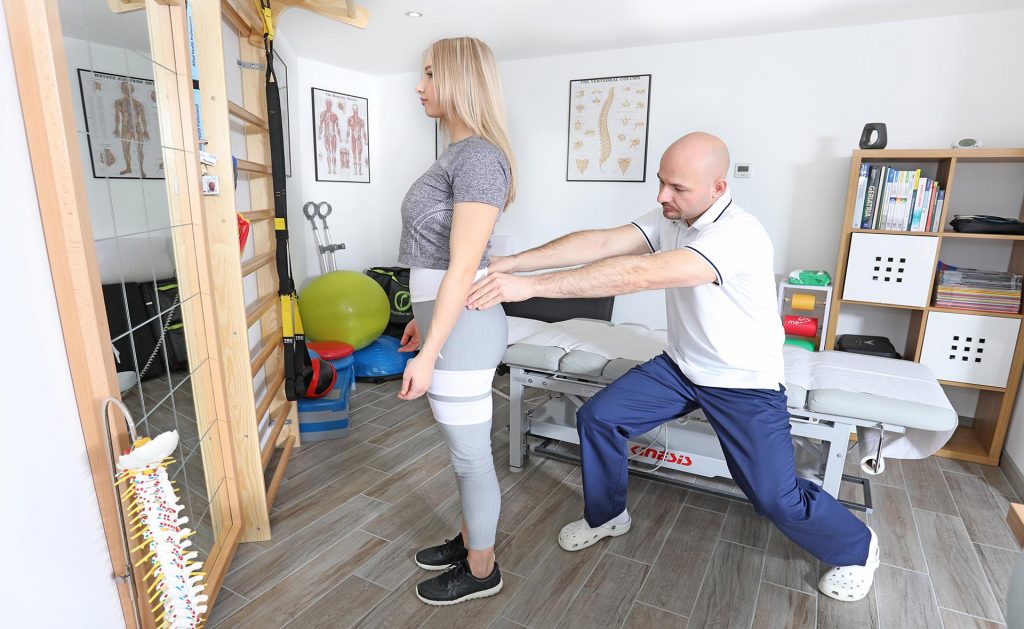
If you’re in your 40s or 50s and starting to notice a dull ache, sharp twinge, or stiffness around your hip, you’re not alone. Many people in Southampton quietly put up with hip pain, hoping it will disappear on its own. But ongoing discomfort is a signal that something deeper is going on – and the right hip pain physio Southampton approach can help you understand the cause, treat it properly, and get back to moving confidently again.
Why Hip Pain Becomes More Common in Your 40s and 50s
By your 40s and 50s, your body has already carried you through years of work, family life, sport, and everyday stress. The hip joint is one of the hardest-working joints in your body, taking the load every time you stand, walk, climb stairs, or bend. Over time, small issues that were once easy to ignore can build into more noticeable pain, stiffness, or weakness.
At this stage of life, you might assume hip pain is just “wear and tear” or something you have to live with. In reality, most hip pain has a specific, treatable cause. With a thorough assessment and the right treatment, you can usually improve or even fully resolve it. That’s where a personalised hip pain physio Southampton plan, tailored to your history and lifestyle, makes a real difference.
Common Causes of Hip Pain in Your 40s and 50s
Your hip pain is unlikely to be “just your age”. There are several common conditions that tend to show up in your 40s and 50s, and they all require slightly different treatment strategies. A detailed, hands-on assessment is essential to pinpoint the true cause.
Below are some of the most frequent reasons people in Southampton come to PhysioCraft with hip pain.
1. Hip Osteoarthritis (Wear-and-Tear Changes)
Osteoarthritis is one of the best-known causes of hip pain in midlife. It happens when the smooth cartilage that cushions your hip joint gradually wears down. You might notice stiffness in the morning, pain when you first get moving, or a deep ache after walking or standing for a while. Sometimes you’ll feel or hear clicking or grinding.
While you can’t reverse cartilage wear, you absolutely can change how your hip functions. Targeted physiotherapy, strengthening, and joint mobilisation can reduce pain, improve movement, and slow further deterioration. Many people avoid or delay surgery for years with the right plan.
2. Hip Bursitis and Tendon Problems
If your pain is more on the outside of your hip – especially when you lie on that side, climb stairs, or walk uphill – you may have bursitis or a tendon issue. Bursae are small fluid-filled sacs that reduce friction between tissues; tendons attach muscle to bone. In your 40s and 50s, these structures can become irritated, often from repetitive strain, weakness, or altered walking patterns.
Conditions like gluteal tendinopathy or trochanteric bursitis can be extremely painful, but they respond well to a combination of hands-on treatment and progressive strengthening. Identifying and correcting the underlying biomechanical cause is crucial, not just calming the irritation.
3. Referred Pain from Your Back or Pelvis
Not all hip pain actually originates in the hip joint. Problems in your lower back, sacroiliac joints (where your spine meets your pelvis), or even your core muscles can send pain into the hip or groin area. This is known as referred pain, and it’s one of the reasons a quick “hip stretch” or generic exercise routine often doesn’t work.
At PhysioCraft, your physiotherapist will assess not just your hip, but also your spine, pelvis, and walking pattern. This whole-body approach, combining elements of physiotherapy, chiropractic, and osteopathy techniques, helps uncover hidden contributors to your pain.
Why a Thorough Assessment Is Essential Before Treating Hip Pain
When you’re in pain, it’s tempting to jump straight into exercises you find online or rely on painkillers. But without understanding what’s actually causing your symptoms, you risk doing the wrong thing – or even making the problem worse. That’s why an assessment-first approach is at the heart of how PhysioCraft works.
In your first session, your physiotherapist will take time to listen to your story: when the pain started, what makes it better or worse, your work, hobbies, and any previous injuries or surgeries. Then they’ll carry out a detailed physical examination, checking your hip range of motion, strength, posture, walking pattern, and related joints like your back and knees.
Using Advanced Diagnostic Tools When Needed
Sometimes, to fully understand the root cause of your hip pain, additional tests can be helpful. At PhysioCraft, we can support your assessment with advanced, evidence-based tools such as diagnostic ultrasound scanning to visualise soft tissues like tendons and bursae. This can be particularly useful for long-standing or complex cases where standard tests haven’t given clear answers.
By combining hands-on assessment with modern diagnostic technology, your clinician can create a precise, personalised treatment plan – not a one-size-fits-all sheet of exercises.
Understanding Your Goals, Not Just Your Symptoms
Hip pain affects more than just your joint. It can stop you from walking the dog, enjoying a round of golf, playing with your children or grandchildren, or simply sleeping comfortably. That’s why your goals are central to your treatment plan. Whether you want to run again, garden without pain, or just get through a workday without a constant ache, your physio will structure your sessions around what matters most to you.
This goal-focused approach, combined with almost 20 years of senior musculoskeletal physiotherapy experience, helps you move from short-term pain relief towards long-term recovery and prevention.
How PhysioCraft Treats Hip Pain: More Than Just Exercises
Many people are surprised to discover that effective hip pain physio Southampton treatment is about far more than a few stretches. At PhysioCraft, sessions are always 1-to-1 and fully personalised. Your treatment plan may blend several complementary approaches to give you the best possible outcome.
This integrated style draws from physiotherapy, chiropractic, and osteopathy principles, always grounded in current research and tailored to your comfort level.
Hands-On Manual Therapy to Ease Pain and Improve Movement
If your hip is stiff, locked, or simply not moving as it should, your therapist may use manual therapy techniques such as joint mobilisation, soft tissue release, or gentle manipulation. These techniques can help reduce muscle tension, improve joint alignment, and restore more natural movement patterns.
Because sessions are always 1-to-1, your clinician can adapt the pressure and techniques in real time, ensuring you feel safe, supported, and listened to throughout your treatment.
Advanced Therapies for Stubborn or Long-Standing Hip Pain
For more persistent hip problems – such as chronic tendinopathy, bursitis, or post-surgery pain – PhysioCraft offers a range of advanced, non-invasive therapies. Depending on your assessment, your plan may include shockwave therapy for hip and tendon pain , laser therapy, ultrasound therapy, or magnetic therapy to stimulate healing, reduce inflammation, and support tissue repair.
These technologies are always used alongside, not instead of, movement-based rehabilitation. The combination of hands-on care, targeted exercises, and advanced modalities helps you achieve faster, more sustainable results.
Rehabilitation, Strength, and Prevention: Staying Active in Midlife
Relieving pain is only the first step. To keep your hip comfortable in the long term, you need to address underlying weaknesses, movement habits, and lifestyle factors. This is where a structured rehabilitation programme becomes essential.
At PhysioCraft, your physio will design a progressive exercise plan that fits into your life. You don’t need to spend hours in the gym – just focused, consistent work that targets the right muscles and movements.
Building Strength and Stability Around the Hip
Weakness in your gluteal muscles, core, or thighs can place extra strain on your hip joint and surrounding tissues. Over time, this imbalance can lead to pain, irritation, and even early joint wear. A tailored strengthening programme, often supported by guided rehabilitation exercises , helps redistribute load more evenly and supports your hip through everyday activities.
Your physiotherapist will show you exactly how to perform each exercise, check your technique, and gradually progress the difficulty as you improve. This approach not only helps you recover, but also reduces the risk of your hip pain returning.
Supporting Your Lifestyle: Walking, Work, and Sport
Hip pain doesn’t exist in isolation – it’s affected by how you sit, stand, walk, and move throughout your day. Your physio will look at your workstation setup, footwear, walking pattern, and hobbies to identify simple changes that can make a big difference. Sometimes a small adjustment in how you climb stairs, get in and out of the car, or lift at work can significantly reduce strain on your hip.
If you enjoy running, cycling, golf, or other sports, your treatment plan can be tailored to help you return safely and confidently. The goal is always the same: to help you get back to the life you love, as quickly and safely as possible.
Home Visits and Flexible Hip Pain Physio in Southampton
When hip pain is severe, even getting to the clinic can feel daunting. That’s why PhysioCraft offers convenient home physiotherapy visits in and around Southampton. Your physio can assess you in your own environment, provide hands-on treatment, and show you exercises using the space and equipment you already have at home.
This can be especially helpful if you’ve recently had hip surgery, a fall, or another health issue that limits your mobility. Home visits allow you to start your recovery sooner and maintain momentum, even if travelling is difficult at first.
Support for Older Family Members
If you’re reading this because a parent or older relative is struggling with hip pain, you’re not alone. Many people in their 40s and 50s are supporting ageing parents who find it hard to attend appointments. In these cases, home-based physiotherapy and specialist elderly rehabilitation support can make a huge difference to safety, independence, and quality of life.
By addressing pain, balance, and strength together, it’s often possible to reduce the risk of falls, improve confidence, and help your loved one stay active for longer.
Frequently Asked Questions
How do I know if my hip pain is serious?
Any hip pain that lasts more than a couple of weeks, keeps coming back, or stops you doing normal activities is worth checking. Sudden, severe pain after a fall, an inability to put weight on your leg, or visible deformity needs urgent medical attention. For ongoing, nagging pain or stiffness, a detailed physiotherapy assessment can identify whether the issue is joint, muscle, tendon, or referred from your back – and guide the right treatment.
Can physiotherapy really help hip arthritis?
Yes. While physiotherapy can’t reverse arthritis, it can significantly reduce pain, improve mobility, and help you stay active. By strengthening the muscles around your hip, improving joint mechanics, and using manual therapy and advanced modalities where appropriate, many people find they can delay or avoid surgery and rely less on pain medication.
Will I need imaging like an X-ray or MRI for my hip pain?
Not always. Many hip problems can be accurately diagnosed through a thorough physical assessment. If your physio suspects a more complex issue, or if your symptoms aren’t improving as expected, they may recommend further imaging through your GP or specialist. In some cases, in-clinic tools like diagnostic ultrasound can provide extra information about soft tissue structures without radiation exposure.
How many sessions will I need?
This depends on the cause of your hip pain, how long you’ve had it, and your goals. Some people feel clear improvement within a few sessions; more chronic or complex problems may need a longer, phased approach. At your initial appointment, your physio will explain their findings and outline a realistic treatment plan so you know what to expect.
Take the Next Step Towards Hip Pain Relief in Southampton
You don’t have to accept hip pain as an inevitable part of getting older. With a careful assessment, a personalised plan, and the right blend of hands-on treatment, exercises, and advanced therapies, it is often possible to significantly reduce or even resolve your symptoms.
If you’re ready to find out what’s really causing your hip pain – and what you can do about it – you can book a 1-to-1 hip pain physiotherapy assessment in Southampton today. Your future self will thank you for taking action now.