
If you’re noticing tight, raised or painful scars after an operation, you’re not alone. Surgical scars can affect how you move, how you feel in your own body, and even your confidence. The good news is that with the right approach to scar therapy Southampton, physiotherapy can do far more than just rub cream into the skin – it can help soften scar tissue, reduce pain, improve movement and support long-term healing.
Understanding Scar Tissue After Surgery
After any surgery, your body works hard to repair itself. Scar tissue forms as part of this natural healing process. In many cases, scars settle well over time. But sometimes they become thick, tight, lumpy or painful. When that happens, they can limit movement, pull on nearby joints and muscles, or cause sensitivity and discomfort.
You might notice that your scar feels hard, itchy or even numb. You may see puckering of the skin, or feel pulling when you try to straighten up, twist or reach. These are signs that the scar tissue is not gliding smoothly over the tissues underneath. This is exactly where targeted scar therapy Southampton with a skilled physiotherapist can make a real difference.
Why Physiotherapy Matters for Scar Recovery
Many people are told to simply wait and see how their scar heals. While time does help, scars also respond extremely well to the right kind of movement, touch and targeted therapies. Physiotherapy focuses on helping the scar and the surrounding tissues move better, so you can get back to normal life as quickly and safely as possible.
At PhysioCraft in Southampton, you receive 1-to-1 personalised scar therapy, not rushed or generic sessions. Your therapist combines physiotherapy, chiropractic and osteopathy techniques to work not only on the scar itself, but also on the muscles, joints and nerves around it. This whole-body approach reduces the risk of long-term stiffness, compensations and ongoing pain.
Beyond the Surface: Treating More Than the Skin
Scars don’t just sit on top of the skin. They can form deeper adhesions that affect the way your muscles activate and how your joints move. That’s why a thorough, assessment-first approach is essential. Your physiotherapist will look at posture, movement patterns and strength, as well as the scar itself, to understand the true root cause of any discomfort.
By treating both the scar and the surrounding structures, you reduce the risk of future problems such as back, neck or shoulder pain developing months or years after surgery. If needed, you may also benefit from related treatments such as hands-on manual therapy for stiff joints and muscles to support your overall recovery.
When to Start Scar Therapy
You don’t need to wait until your scar is fully mature before starting physiotherapy. In fact, early guidance can be very helpful. Once your wound has fully closed and your surgeon or nurse confirms it is safe, gentle techniques can often begin. Your physiotherapist will always check the stage of healing, your medical history and any risk factors before deciding what is appropriate.
Even if your surgery was months or years ago, it’s not too late. Older scars can still respond well to treatment, especially when advanced therapies and skilled manual techniques are combined in a personalised plan.
Key Techniques Used in Scar Therapy Physiotherapy
Effective scar therapy Southampton is rarely about one single technique. Instead, your treatment plan is tailored to your body, your surgery and your goals. At PhysioCraft, your therapist may blend hands-on work, movement, and advanced technologies to support better healing and long-term comfort.
Every session is 1-to-1, giving you time to ask questions, understand what’s happening, and learn what you can safely do at home to support your own recovery.
Manual Scar Release and Soft Tissue Techniques
Gentle but precise hands-on techniques help the scar and underlying tissues move more freely. This might include specific scar massage, stretching of the skin, and mobilisation of the layers beneath the scar. The aim is to improve tissue glide and reduce tightness without irritating the healing area.
As a Senior Musculoskeletal Physiotherapist with almost 20 years of experience, your therapist can adapt pressure and technique to your comfort level. If you feel anxious about anyone touching your scar, you’ll be guided gradually, with clear explanations at every step.
Movement, Posture and Rehabilitation Exercises
After surgery, it’s common to protect the area by moving less or changing how you sit, stand or walk. Over time, this can create stiffness and weakness in other parts of your body. Carefully chosen exercises help restore normal movement, build strength and reduce the risk of future pain.
You may be given a personalised home programme, similar in style to our targeted rehabilitation exercises for long-term recovery . These exercises are designed to be safe for your stage of healing and realistic for your daily life, so you’re more likely to stick with them.
How Bioptron and Advanced Therapies Support Scar Healing
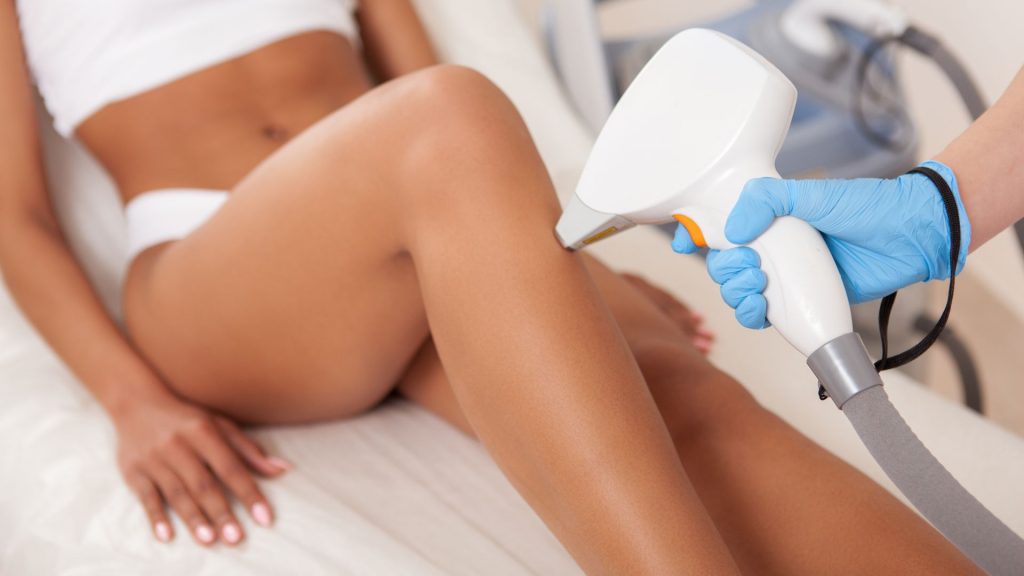
Alongside hands-on work and movement, advanced therapies can significantly support scar recovery. At PhysioCraft in Southampton, you have access to modern technologies such as laser, ultrasound, magnetic and shockwave therapies, all used in an evidence-based way when appropriate for your condition.
These tools are never used in isolation. They’re integrated into a complete treatment plan focused on your comfort, function and long-term results, not just on how the scar looks.
Bioptron Light Therapy for Scars
One of the specialist options available is Bioptron light therapy. This non-invasive treatment uses polarised light to support the body’s natural healing processes. For some people, Bioptron can help reduce redness, tenderness and swelling around scars, and may support better tissue quality as the scar matures.
At PhysioCraft, Bioptron is used thoughtfully as part of a wider plan. Your physiotherapist will first assess whether this therapy is suitable for you and explain how many sessions might be needed. You can learn more about how this works in our dedicated page on Bioptron light therapy for post-surgical healing .
Ultrasound, Laser and Magnetic Therapies
Other advanced options may include therapeutic ultrasound, laser and magnetic field therapy. These modalities are used to promote circulation, support tissue repair and reduce discomfort. They are especially helpful for deeper or thicker scars, or where surrounding muscles and joints are also affected.
Because your treatment is fully personalised, your therapist will select the most appropriate combination of techniques for your specific surgery, whether that’s a joint replacement, abdominal surgery, caesarean section or sports-related procedure.
The Role of Lymphatic Drainage in Scar Therapy
After surgery, swelling and fluid build-up are very common. This can make the area feel heavy, tight and uncomfortable, and may slow down how quickly your scar settles. That’s where Lymphatic drainage can play an important role in your recovery plan.
Gentle, specialised techniques encourage the movement of lymph fluid, helping to reduce swelling and support your body’s natural detox processes. This can improve comfort, help the tissues feel softer and make other scar treatments more effective.
Manual Lymphatic Drainage Around Surgical Scars
Manual lymphatic drainage is a very light, rhythmic form of massage designed specifically for the lymphatic system. Around surgical scars it is used to help manage swelling, sensitivity and stiffness. Many people find it surprisingly relaxing, especially if they’ve been feeling tense or protective of the area since surgery.
At PhysioCraft, your therapist will always adapt the direction, pressure and duration of lymphatic drainage techniques to your individual needs and any medical guidance from your surgeon or consultant. If appropriate, you may be guided towards a more structured programme, similar to our dedicated manual lymphatic drainage services in Southampton.
Why Reducing Swelling Helps the Scar
When swelling is better controlled, the tissues can move more freely and the scar is under less tension. This can help reduce pulling sensations and make everyday activities like reaching, bending or getting out of bed more comfortable. It also allows your physiotherapist to work more effectively on the scar and surrounding muscles without causing unnecessary irritation.
By combining Lymphatic drainage with other therapies such as Bioptron, manual scar release and tailored exercises, you benefit from a more complete and comfortable recovery plan.
Home Visits and Long-Term Support for Your Scar
Getting to the clinic soon after surgery is not always easy, especially if you’re tired, in pain or relying on family for lifts. That’s why PhysioCraft offers home physiotherapy visits in and around Southampton, so you can begin scar therapy safely in the comfort of your own home.
During a home visit, your physiotherapist can assess your scar, your movement and your daily environment. You’ll receive practical advice on how to get in and out of bed, how to sit and stand with less strain, and what small changes can make a big difference to your comfort and healing.
Focusing on Long-Term Results, Not Just Quick Fixes
Scar therapy isn’t only about how your scar looks today. It’s about how your body will feel in six months, a year, or even longer. At PhysioCraft, the focus is on long-term recovery and prevention, not just short-term symptom relief.
Your therapist will help you understand what to expect at each stage of healing, how to care for your scar over time, and what warning signs to look out for. If you’ve had a major operation such as joint replacement or spinal surgery, you may also benefit from a wider rehabilitation plan, similar in structure to our comprehensive rehabilitation support for older adults after surgery .
Personalised Plans for Different Types of Surgery
No two surgeries – or scars – are the same. Whether you’ve had orthopaedic surgery, abdominal surgery, a C-section, cosmetic surgery or a sports-related procedure, your treatment plan is tailored to your body and your goals. Your therapist will always take into account your medical history, pain levels, lifestyle and what you most want to get back to doing.
Because PhysioCraft combines physiotherapy, chiropractic and osteopathy techniques, you benefit from a broad toolkit aimed at reducing pain, improving mobility and helping you return to normal life quickly.
Frequently Asked Questions
Is it too late to start scar therapy if my surgery was a long time ago?
In most cases, no. Even older scars can often improve with the right combination of hands-on work, movement and advanced therapies such as Bioptron, ultrasound or laser. While it may not be possible to completely erase a mature scar, you can usually reduce tightness, discomfort and movement restrictions. Your physiotherapist will assess your scar and discuss what realistic improvements you can expect.
Will scar therapy hurt?
Scar therapy should not be aggressively painful. Some techniques may feel slightly uncomfortable or sensitive at times, especially if the area is very tight or tender, but your therapist will always work within your tolerance. The aim is to encourage better movement and comfort, not to push through pain. You’ll be in control throughout, and treatment can be adapted at any point.
How many sessions will I need?
The number of sessions varies from person to person. It depends on the type of surgery, how your scar is healing, how long it has been there, and your overall health and goals. Some people notice meaningful changes within a few sessions, while others benefit from a longer course combined with home exercises and self-care techniques. Your physiotherapist will outline a clear plan after your initial assessment.
Can I do anything at home to help my scar?
Yes. Your therapist can show you safe self-massage techniques, comfortable stretches and simple movements to support your recovery. They will also advise on posture, pacing your activities and any products that may help protect or support the area. The most important thing is that your home routine is tailored to your specific scar and stage of healing, rather than following generic advice.
Start Your Scar Therapy Journey in Southampton
If you’re living with a tight, painful or worrying scar after surgery, you don’t have to simply put up with it. With expert scar therapy Southampton, you can take active steps towards softer tissue, better movement and greater confidence in your body.
At PhysioCraft, you’ll receive 1-to-1, evidence-based care from a highly experienced Senior Musculoskeletal Physiotherapist, with access to advanced options such as Bioptron, ultrasound, laser and Lymphatic drainage where appropriate. Whether you prefer to visit the clinic or arrange a home visit, your treatment will be tailored around your life, your goals and your comfort.
To find out how scar therapy could help you after surgery in Southampton, you can book an assessment with PhysioCraft today. Together, you can build a clear, personalised plan to support your healing – so you can move more freely and get back to living the life you enjoy.