
If you’re waking at night with numb fingers, dropping objects, or feeling a burning ache in your wrist, you may be dealing with carpal tunnel syndrome physio Southampton is often your best first step before even thinking about surgery. At PhysioCraft in Southampton, you can explore effective, evidence-based options that aim to calm your symptoms, restore function, and help you avoid or delay an operation wherever possible.
Understanding Carpal Tunnel Syndrome and Why It Hurts So Much
Before you decide on injections or surgery, it helps to understand what’s actually going on in your wrist. Carpal tunnel syndrome happens when the median nerve is compressed as it passes through a narrow tunnel in your wrist, surrounded by bones and ligaments. When this space becomes irritated or crowded, the nerve is squeezed, creating pain, tingling, and weakness in your hand and fingers.
You might notice symptoms more at night, when driving, typing, or holding your phone. Many people in Southampton arrive at PhysioCraft thinking it’s just “poor circulation” or arthritis, but with a thorough, hands-on assessment, we often find a clear pattern of nerve compression that responds well to conservative care.
Importantly, not every wrist or hand symptom means you need surgery. The severity, duration, and cause of your symptoms all matter. That’s why an assessment-first approach is so valuable: it ensures you’re choosing the right treatment at the right time, rather than jumping straight to invasive options.
Why an Assessment-First Approach Matters Before Surgery
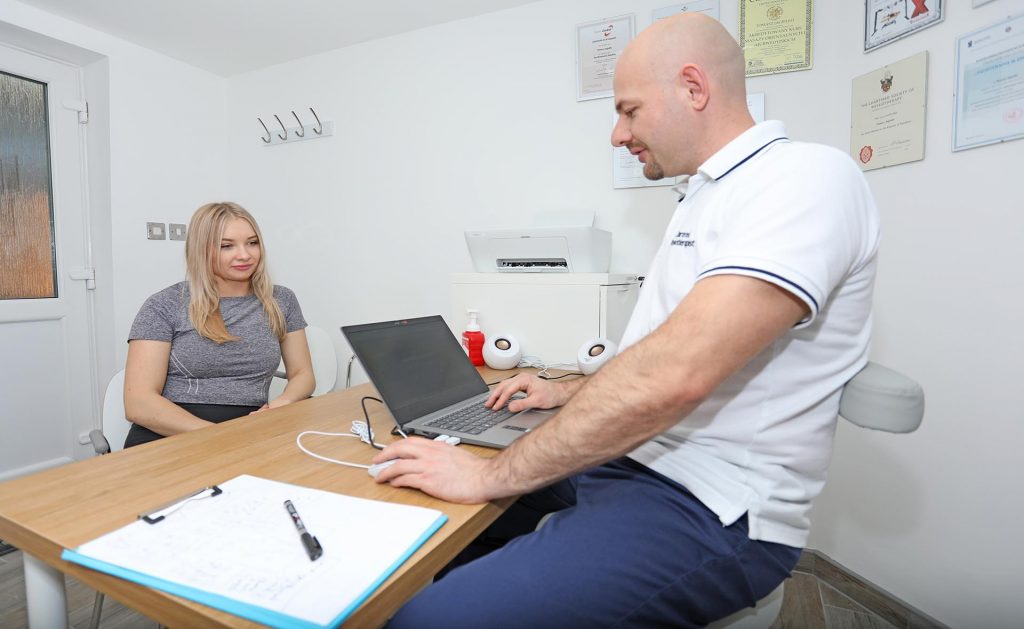
At PhysioCraft, your journey always starts with a detailed, one-to-one consultation. With almost 20 years’ experience and senior musculoskeletal expertise, your physiotherapist will look beyond your wrist to understand the true root cause of your symptoms. This is where our USG diagnostic ultrasound can play a crucial role. Using real-time imaging, we can visualise the tendons and soft tissues around the carpal tunnel, helping to confirm or refine your diagnosis.
A comprehensive assessment may include strength and sensation testing, nerve tension tests, posture and neck screening, and questions about your work, hobbies, and sleep position. Sometimes what feels like carpal tunnel actually comes from your neck or shoulder. By combining clinical tests with USG, we can reduce guesswork and create a more precise treatment plan.
This assessment-first approach also means you avoid “one-size-fits-all” advice. Instead of generic splints and exercises, you receive tailored treatment that reflects your lifestyle, job demands, and symptom severity. For many people in Southampton, this personalised strategy is enough to significantly reduce pain and delay or avoid surgery.
How USG Helps Guide Your Treatment
Diagnostic ultrasound, often referred to as USG, is safe, non-invasive, and free from radiation. It allows your physiotherapist to see how the tendons and soft tissues move as you flex and extend your wrist. This can highlight inflammation, thickening, or irritation that might be contributing to nerve compression.
By seeing what’s happening inside the carpal tunnel, your clinician can decide whether you’re likely to respond to conservative care, or whether you should discuss further medical options. It also helps track your progress, so you can see how structures change as your symptoms improve.
When to Consider a Medical Opinion
While many people respond well to physiotherapy and advanced therapies, there are times when surgery or injections may be appropriate. If you have severe, constant numbness, marked muscle wasting in the thumb, or no improvement despite consistent treatment, your physiotherapist will discuss a referral to your GP or specialist.
The key is that you’re making this decision from an informed position, with clear assessment findings, not just out of frustration with ongoing pain.
Hands-On Manual Therapy: More Than Just Massage
Many people are surprised at how much relief they can get from targeted, evidence-based manual therapy techniques. At PhysioCraft, we combine the strengths of physiotherapy, chiropractic, and osteopathy to gently mobilise joints, release tight soft tissues, and improve the way the median nerve glides through the carpal tunnel.
Rather than focusing only on the wrist, your therapist may also treat your forearm, elbow, shoulder, and even your neck. That’s because nerve irritation can occur at multiple points along its path. By addressing these restrictions, we aim to reduce overall nerve sensitivity and improve blood flow, which can ease pain and pins and needles.
For many Southampton clients, this hands-on approach provides both immediate symptom relief and a clearer sense of what movements help or aggravate their condition. It also complements other treatments such as splinting, exercises, and advanced therapies.
Nerve Gliding and Joint Mobilisation
Specific techniques known as nerve glides or neurodynamics help the median nerve move more freely. Your therapist may gently guide your arm and wrist through controlled positions to reduce stiffness and tension around the nerve. When combined with joint mobilisation of the wrist and hand, this can create more space and flexibility in the carpal tunnel area.
These techniques are always adapted to your pain levels. The goal isn’t to push through pain, but to restore comfortable movement and reduce nerve irritation over time. You’ll often be given simple home versions of these movements so you can continue progress between sessions.
Soft Tissue Work and Postural Release
Repetitive work, long hours at a desk, or manual jobs can create tightness in your forearm muscles, neck, and shoulders. This tension can increase pressure on the median nerve. Using a blend of physiotherapy, chiropractic, and osteopathic methods, your therapist will work to release these tissues, improve posture, and reduce strain on your wrist.
Even small changes in how you sit, type, or hold tools can have a big impact. At PhysioCraft in Southampton, you’ll receive practical, realistic advice you can actually use at work and home, not just a list of ideal but unachievable “ergonomic rules”.
Advanced Therapies That Support Healing Before Surgery
Alongside hands-on care, PhysioCraft offers a range of advanced, evidence-informed therapies designed to calm inflammation, improve circulation, and support tissue healing. These include laser, ultrasound, magnetic, and shockwave therapies, which can be combined as part of your personalised plan for carpal tunnel syndrome.
For example, therapeutic ultrasound and low-level laser therapy can help reduce local inflammation and pain, while magnetic therapy may support circulation in the area. In more stubborn or long-standing cases, carefully targeted shockwave therapy may be considered to address chronic soft tissue changes around the wrist.
These tools are not used in isolation. Instead, they are integrated with manual therapy, exercise, and lifestyle changes to create a comprehensive, multi-layered approach. This is particularly helpful if you’ve tried basic splints and rest without much improvement.
Ultrasound and Laser Therapy for Carpal Tunnel
Therapeutic ultrasound, delivered through a small handheld device, uses sound waves to gently warm deep tissues and promote blood flow. At PhysioCraft Southampton, ultrasound therapy can be targeted precisely to the carpal tunnel area, helping to reduce stiffness and ease discomfort. When combined with stretching and nerve glides, it can support a more comfortable range of motion.
Low-level laser therapy works differently, using specific wavelengths of light to influence cellular activity. Some people find it particularly helpful for reducing pain and supporting tissue repair in irritated or inflamed areas around the wrist.
When Shockwave or Magnetic Therapy May Help
For chronic or recurring carpal tunnel symptoms linked to tendon irritation or thickening, your clinician may discuss whether shockwave therapy is appropriate. Focused sound waves are used to stimulate a healing response in stubborn tissues. While not suitable for everyone, it can be an option when other conservative measures haven’t provided enough relief.
Magnetic therapy and other modalities are chosen based on your specific presentation, medical history, and response to earlier treatments. The aim is always the same: to give you every reasonable, non-surgical opportunity to reduce pain and regain function before you consider an operation.
Home Exercises, Splinting and Lifestyle Changes That Make a Real Difference
No matter how effective your in-clinic treatments are, what you do at home between sessions is just as important. Your PhysioCraft therapist will design a simple, realistic home programme to support your recovery. This often includes gentle nerve glides, wrist and forearm stretches, and specific strengthening exercises to support your hand and shoulder.
Night splinting is another common strategy. Wearing a neutral wrist splint at night can prevent your wrist from bending into positions that increase nerve compression. Many people in Southampton notice fewer night-time awakenings and less morning numbness once they start using a properly fitted splint.
You’ll also discuss your daily habits: keyboard position, mouse use, phone grip, lifting technique, and even how you hold the steering wheel. Small, targeted changes in how you use your hands and arms can significantly reduce strain on the median nerve, especially when combined with manual therapy and advanced treatments.
Rehabilitation and Long-Term Prevention
Once your symptoms start to settle, the focus shifts from pain relief to long-term prevention. This is where structured rehabilitation exercises become essential. Strengthening the muscles of your hand, forearm, and shoulder can help support better posture and movement patterns, reducing the chance of your symptoms returning.
You’ll be guided through graded exercises that gradually challenge your grip, coordination, and endurance, always tailored to your job and hobbies. Whether you’re at a computer all day, working in a trade, or caring for young children, your plan is built around how you actually live.
Home Visits for Convenience and Faster Recovery
If your pain makes it hard to travel, or if you’re recovering from other health issues, PhysioCraft also offers home physiotherapy visits in Southampton. This allows you to receive one-to-one, expert care in the comfort of your own space, using your real environment to guide ergonomic and activity advice.
Home visits can be especially helpful if your carpal tunnel symptoms are part of a bigger picture of mobility challenges, post-surgery recovery, or chronic pain in multiple areas.
When Is Surgery the Right Option?
Despite the many effective conservative options, there are times when carpal tunnel surgery is the right choice. If you have severe nerve compression, constant numbness, or wasting of the thumb muscles, surgery may be recommended to prevent permanent damage. In these cases, physiotherapy still has a vital role before and after your operation.
Before surgery, your therapist can help you maintain as much strength and mobility as possible, making your recovery smoother. After surgery, guided exercises, scar management, and gradual return-to-activity planning can help you regain confidence and function more quickly.
At PhysioCraft in Southampton, the goal is not to push you away from surgery if you truly need it, but to ensure you’ve explored safe, evidence-based alternatives first and that you’re fully prepared if an operation becomes necessary.
Frequently Asked Questions
Do I always need surgery for carpal tunnel syndrome?
No. Many people with mild to moderate carpal tunnel syndrome improve significantly with a combination of manual therapy, exercises, splinting, and advanced therapies such as ultrasound or laser. A thorough assessment, including the option of USG, helps determine whether conservative care is likely to work for you.
How long does carpal tunnel physio take to work?
Most people start to notice some improvement within a few sessions, especially if they follow their home programme and splinting advice. For more long-standing or severe cases, it can take several weeks or months to achieve the best results. Your therapist will review your progress regularly and adjust your plan as needed.
Can I keep working while I have carpal tunnel syndrome?
In many cases, yes, especially if you make sensible adjustments to your workstation, tools, and activity levels. Your physiotherapist will help you modify tasks, take appropriate breaks, and use supports or splints where necessary so you can stay as active and independent as possible.
Is it worth trying physio if my doctor has already mentioned surgery?
Often, yes. Unless you have severe nerve damage, it’s usually reasonable to try a structured course of physiotherapy and conservative treatment first. At PhysioCraft in Southampton, we focus on long-term recovery and prevention, not just short-term symptom relief, and we’ll always be honest if we feel surgery is the better option.
Take the Next Step Towards Relief in Southampton
If you’re struggling with wrist pain, numbness, or tingling and you’re worried about needing an operation, you don’t have to face it alone. At PhysioCraft, you’ll receive one-to-one, personalised care from an experienced musculoskeletal physiotherapist who blends physiotherapy, chiropractic, and osteopathic techniques with modern technologies like USG, laser, and ultrasound.
Whether you’re looking to avoid surgery, prepare for it, or recover afterwards, there are many effective, non-invasive options available. To find out what’s right for you, you can book a carpal tunnel assessment in Southampton today and start moving towards calmer nights, stronger hands, and a quicker return to normal life.