
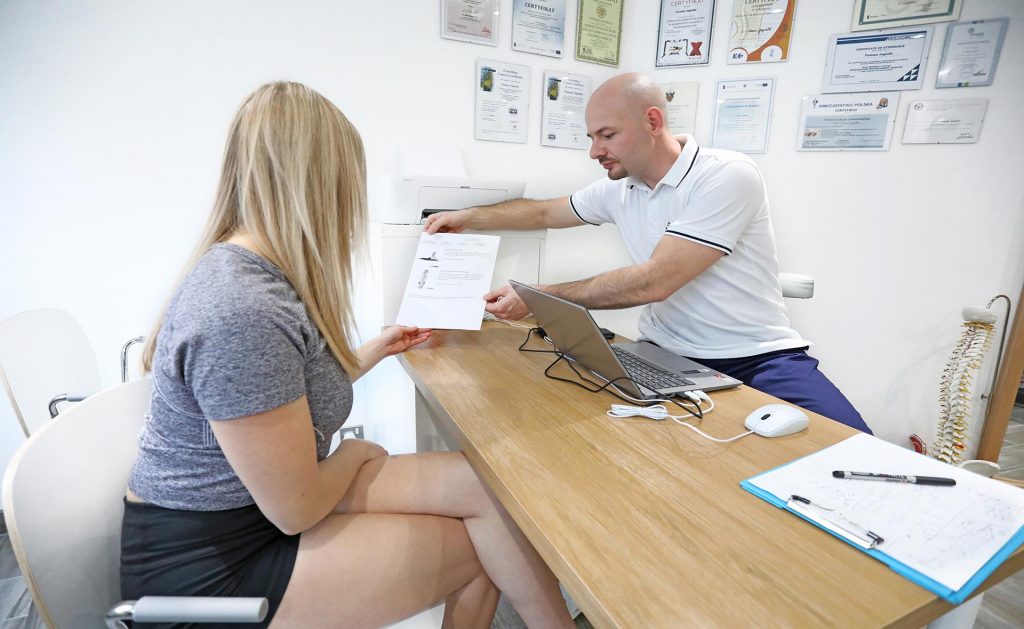
Planning your first physiotherapy appointment Southampton can feel a bit daunting, especially when you’re already in pain or worried about an ongoing problem. At PhysioCraft in Southampton, the goal is to make your first visit as smooth, comfortable and reassuring as possible, so you can focus on what matters most: getting better, moving freely and returning to the life you enjoy.
What to Expect at Your First PhysioCraft Appointment
When you arrive for your first physiotherapy appointment Southampton, you’ll be welcomed into a calm, professional clinic environment where everything is centred around you. Unlike group-based clinics, PhysioCraft offers 1-to-1 personalised physiotherapy, so you have the undivided attention of your therapist throughout your session. This means more time to listen to your story, ask questions and thoroughly examine what’s really going on.
Your therapist is a senior musculoskeletal physiotherapist with almost 20 years of experience, combining techniques from physiotherapy, chiropractic and osteopathy. This blended, evidence-based approach allows for a more complete view of your body and how different joints, muscles and nerves interact. From the very first visit, the focus is on finding the root cause of your pain, not just chasing symptoms.
Before any treatment starts, you’ll go through a detailed assessment. This is where your therapist will ask about your medical history, daily activities, work demands and any sports or hobbies you enjoy. The more open you can be, the easier it is to create a tailored treatment plan that supports long-term recovery and prevention, rather than short-lived relief.
What to Wear to Your First Physiotherapy Appointment
Choosing the right clothing for your first physiotherapy appointment Southampton can make your assessment easier and more effective. Your therapist will likely need to observe your posture, movement and how different joints and muscles are working together. Comfortable, loose-fitting clothes help you move freely and give your physiotherapist easy access to the areas being treated.
For lower back, hip, knee or ankle issues, it’s best to wear or bring shorts. For neck, shoulder or upper back problems, a vest top or loose T-shirt works well. If you’re coming straight from work, you can always bring a change of clothes with you. The key is that you feel comfortable, supported and able to move without restriction.
Footwear and Supportive Items
If your pain is related to walking, running or standing for long periods, bring the shoes you wear most often, including any insoles or supports. This helps your therapist assess how your feet and lower limbs are working, and whether your footwear might be contributing to your symptoms. Understanding your usual footwear can be especially helpful if you later consider options such as orthopaedic appliances to improve support and alignment.
For sports-related injuries, bring your trainers and any braces or supports you use during activity. This gives your therapist a clear picture of your normal set-up and can guide advice on what to keep, adjust or change to protect you in the long term.
Clothing Tips for Hands-On Treatment
PhysioCraft uses a combination of hands-on manual therapy, joint techniques and advanced modalities like laser, magnetic or shockwave therapy. For these treatments, your therapist may need direct access to the skin over the affected area. Wearing clothing that can be easily rolled up or adjusted makes it simpler to switch between assessment and treatment within the same session.
Don’t worry, your comfort and dignity are always respected. You’ll be clearly informed before any hands-on work begins, and you can discuss any preferences or concerns with your therapist at any time.
What to Bring With You: Making the Most of Your First Session
Bringing the right information and items to your first physiotherapy appointment Southampton helps your therapist build a clear picture of your health and speeds up the process of getting to an accurate diagnosis. The more complete the information, the more precisely your treatment can be tailored to you.
Start with any relevant medical documents you already have. This could include referral letters, scan reports (X-ray, MRI, ultrasound), surgical notes or discharge summaries. Even if you’re not sure whether something is relevant, it’s usually better to bring it along and let your therapist decide what’s important.
Essential Information to Have Ready
It’s helpful to arrive with a list of your current medications, including doses, as well as any significant past injuries or operations. Note down when your pain started, what makes it better or worse, and how it affects your sleep, work and daily life. Many people forget key details in the moment, so jotting a few notes beforehand can make the conversation easier and more accurate.
If you’ve had previous physiotherapy, chiropractic or osteopathy treatment, bring any exercise sheets or notes you still have. Understanding what has or hasn’t worked for you in the past helps your therapist avoid repeating unhelpful approaches and instead build a more effective, personalised plan.
Optional but Helpful Extras
If you wear orthotics, braces, splints or supports, bring them with you. Your therapist can check how they fit, whether they’re still appropriate and how they interact with your current symptoms. If you struggle with swelling, circulation or lymphatic issues, this may also guide whether treatments like manual lymphatic drainage or other supportive options could be useful later on.
Finally, bring a list of questions or concerns. This is your time, and your therapist wants you to leave feeling informed and confident about the next steps. No question is too small; understanding your condition is a key part of your recovery.
Parking, Arrival and Finding the Clinic in Southampton
Worrying about where to park or how to find the clinic is the last thing you need when you’re in pain. To make your first physiotherapy appointment Southampton as stress-free as possible, plan your journey ahead of time. Check your appointment confirmation for the exact address, parking guidance and any public transport options nearby.
Allow a little extra time for traffic, especially if you’re travelling at peak hours. Arriving 10–15 minutes early gives you time to settle in, complete any forms and use the facilities before your assessment begins. It also means your therapist can start on time and give you the full benefit of your session.
Accessibility and Support
If you have mobility difficulties, use a walking aid or are recovering from surgery, you may need extra time to move from your car or the bus stop to the clinic. Let the team know in advance if you require any specific support, and they’ll do their best to accommodate you. The aim is to make your visit as safe and comfortable as possible from the moment you arrive.
For some patients, travelling can be particularly challenging, especially after surgery or with severe pain. In these cases, PhysioCraft also offers home physiotherapy visits in Southampton, so you can receive expert care without leaving your house. This can be especially helpful in the early stages of recovery, when movement is limited.
What Happens During Your Assessment and First Treatment
Your first physiotherapy appointment Southampton is built around a thorough, assessment-first approach. After discussing your history and current symptoms, your therapist will guide you through a series of movement tests. These might include bending, twisting, walking, balancing or specific strength checks, depending on your condition.
The aim is to identify the root cause of your problem: which structures are involved, how your body is compensating, and what needs to change to reduce pain and improve function. This is where almost 20 years of clinical experience, plus advanced training as a senior musculoskeletal physiotherapist, really comes into play.
Based on the findings, your therapist will explain the likely diagnosis in clear, straightforward language. You’ll discuss your goals – whether that’s walking without pain, lifting your children, returning to sport or simply getting through a full day of work comfortably. From there, you’ll agree a tailored treatment plan, focused on fast pain relief, better mobility and long-term prevention.
Hands-On Treatment and Advanced Therapies
Most first sessions include some form of treatment, as long as it’s safe and appropriate. PhysioCraft combines evidence-based treatments with hands-on manual therapy, drawing on techniques from physiotherapy, chiropractic and osteopathy. This might include joint mobilisation or adjustment, soft tissue work, stretching, or specific techniques to reduce muscle tension and improve alignment.
Where helpful, your therapist may also recommend advanced therapies such as shockwave therapy, laser, ultrasound or magnetic therapy to accelerate healing and reduce stubborn pain. For example, if you’re struggling with a long-standing tendon issue or plantar fasciitis, you may later be guided towards options like focused shockwave therapy for chronic tendon pain.
Rehabilitation Exercises and Self-Management
Hands-on treatment is only part of the picture. To achieve lasting results, you’ll usually be given a small set of targeted exercises to start at home. These are designed to strengthen weak areas, improve flexibility, correct movement patterns and support your long-term recovery. Over time, your programme may evolve into more structured rehabilitation exercises tailored to your goals.
Your therapist will show you exactly how to perform each exercise and explain why it matters. You’ll also receive advice on posture, work set-up, sleep positions and activity pacing, so you know how to protect your progress between sessions. This combination of clinic-based treatment and home care is what helps you move beyond short-term relief and towards real, sustainable change.
How PhysioCraft Supports Different Conditions and Lifestyles
Every first physiotherapy appointment Southampton at PhysioCraft is unique, because every person and every problem is different. Whether you’re dealing with acute sports injuries, chronic back pain, post-surgery rehabilitation or age-related mobility issues, the approach is always tailored to your needs and goals.
If you’re an athlete or active person, your treatment may focus on restoring strength, power and control so you can return to sport safely and confidently. This could include a mix of manual therapy, sports-specific drills and progressive loading. In some cases, you might benefit from targeted services such as specialist sports injury physiotherapy for active individuals.
For those with long-standing or complex pain, the emphasis is often on gradual, sustainable progress. Your therapist will help you understand your pain, break unhelpful movement habits and build resilience over time. The goal is not just to get you out of pain, but to help you stay that way and reduce the risk of future flare-ups.
Support for Older Adults and Home-Based Recovery
PhysioCraft also supports older adults who may be struggling with balance, weakness, joint stiffness or recovery after illness or surgery. If getting to the clinic is difficult, home physiotherapy visits in Southampton can be arranged, bringing expert care directly to your living room.
In your own environment, your therapist can assess how you move around the house, get in and out of chairs, manage stairs and carry out everyday tasks. This real-world insight allows for highly practical advice and exercises that fit naturally into your daily routine.
Frequently Asked Questions
How long will my first physiotherapy appointment take?
Your first physiotherapy appointment Southampton typically lasts longer than follow-up sessions, to allow enough time for a full assessment and initial treatment. Expect your first visit to be around 45–60 minutes. This gives your therapist time to understand your history, examine you thoroughly, explain the findings and start your personalised treatment plan.
Will I receive treatment at my first appointment?
In most cases, yes. As long as it’s safe and appropriate, your therapist will usually begin treatment during your first session, after completing the assessment. This may include hands-on techniques, gentle joint work, soft tissue therapy or simple exercises. If advanced therapies like laser or shockwave are recommended, your therapist will explain the options and timing clearly.
What should I do if I’m nervous or in a lot of pain?
It’s completely normal to feel anxious before your first physiotherapy appointment Southampton, especially if you’re in significant pain or have had a bad experience elsewhere. Let your therapist know how you’re feeling – they’re used to working with people in discomfort and will adapt the assessment and treatment to your tolerance. You’re in control at all times, and nothing will be done without your consent.
How many sessions will I need?
The number of sessions varies depending on your condition, how long you’ve had it and your goals. After your first assessment, your therapist will give you an honest, realistic idea of what to expect. Some problems improve significantly within a few sessions, while others – especially long-standing or complex issues – may need a longer, phased approach to achieve lasting change.
Ready to Book Your First PhysioCraft Appointment in Southampton?
Your first physiotherapy appointment Southampton is the first step towards less pain, better movement and a more active, confident life. At PhysioCraft, you’ll receive 1-to-1, expert care that blends physiotherapy, chiropractic and osteopathy techniques, backed by almost two decades of experience and a strong focus on long-term results.
If you’re ready to get started, you can easily book your first physiotherapy session in Southampton online. If you have questions before booking, or want to discuss whether clinic-based or home visits are best for you, you’re welcome to get in touch via the contact page on the website. Taking that first step today could be the beginning of your journey back to comfortable, confident movement.