
If you are in pain, it is natural to wonder: physio sessions how many will it actually take before you feel like yourself again? At PhysioCraft in Southampton, we hear this question every day from people dealing with back pain, sports injuries, post-surgery stiffness and long-standing aches. You want a realistic plan, not vague promises. This guide walks you through what really determines how many physiotherapy sessions you need and how to make every visit count.
What Really Determines How Many Physio Sessions You Need?
The first thing to understand is that there is no one-size-fits-all answer to physio sessions how many you will need. Your recovery time depends on several key factors: the type of injury, how long you have had the problem, your general health and how consistent you are with your exercises. Two people with similar back pain in Southampton can require very different treatment plans.
At PhysioCraft, your physiotherapist will start with a detailed assessment to understand the root cause of your pain, not just the symptoms. This helps us estimate a realistic number of sessions and explain why. Clear expectations reduce anxiety and help you stay motivated through your recovery journey.
It is also important to remember that physiotherapy is not just about passive treatment. The more actively you participate – by doing your exercises, making lifestyle changes and following advice – the fewer sessions you may ultimately need. Your body’s ability to heal is powerful when guided in the right direction.
Typical Session Ranges for Common Conditions
While every person is different, there are some typical ranges that can help you understand physio sessions how many you might expect for common problems. Think of these as guidelines, not rigid rules. Your physiotherapist at PhysioCraft in Southampton will always tailor the plan to you.
For a simple, recent muscle strain or sprain, you might need anywhere from 3 to 6 sessions. Mild neck or back pain that started a few days or weeks ago often responds well within this range, especially if you follow your home exercise plan closely. Early treatment often means fewer appointments, because you are addressing the issue before it becomes chronic.
More persistent or complex conditions – such as long-term lower back pain, shoulder impingement, knee osteoarthritis or recovery after surgery – usually require more time. You might be looking at 8 to 12 sessions, sometimes more, spread over several weeks or months. In Southampton, we often support people through longer rehabilitation plans when they are returning to sport, work or caring responsibilities after a major injury.
Short-Term vs Long-Term Treatment Plans
Short-term plans focus on quick pain relief and restoring basic movement. These are common when your pain is new, clearly triggered (for example, lifting something awkwardly) and not linked to a more serious underlying condition. In these cases, your physiotherapist may see you once or twice a week for a few weeks, then taper sessions as you improve.
Long-term plans are more common for chronic pain, complex injuries, or when we are rebuilding strength and function after surgery or a serious accident. Here, your sessions might be spaced out over months, with regular reviews to track progress. The goal is not just to feel better now, but to prevent the problem returning.
Examples of Session Ranges
While these are only examples, they can help you picture what a treatment plan might look like:
- Acute lower back strain: 3–6 sessions over 3–4 weeks
- Chronic lower back pain: 8–12 sessions over 2–3 months
- Post-knee surgery rehabilitation: 12–20+ sessions over several months
- Sports injury (e.g. ankle sprain): 4–8 sessions depending on severity
During your first visit at PhysioCraft, we will explain where you likely fit on this spectrum and why.
How Your First Physiotherapy Session Shapes the Plan
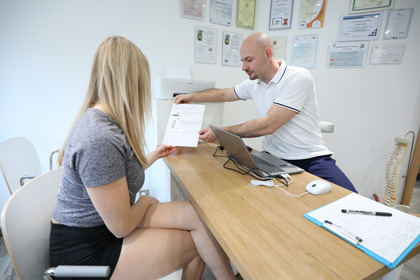
Your first appointment is crucial for deciding physio sessions how many you may need. At PhysioCraft in Southampton, we use this time to listen carefully to your story, examine your movement and identify what is really driving your pain.
This usually includes a detailed history, physical tests and sometimes additional diagnostic tools. The aim is to build a clear picture of your condition so we can give you a realistic expectation of how long recovery may take.
Assessment and Diagnosis
During your initial consultation, your physiotherapist will carry out a thorough assessment. This may include posture analysis, movement tests, strength checks and specific orthopaedic tests. When appropriate, we may recommend our assessment and examination service to gain even more detailed insight into what is going on.
In some cases, additional investigations such as USG diagnostic scanning can help confirm the diagnosis, especially for tendon, muscle or ligament issues. Having a clear diagnosis means your treatment plan – and the number of sessions – is based on solid information, not guesswork.
Setting Goals and a Provisional Timeline
Once we understand your condition, we will discuss your goals. Do you want to walk without pain, return to running, lift your children comfortably or get back to your job in Southampton without limitations? Your goals directly influence the intensity and duration of your treatment plan.
We will then outline a provisional timeline, for example: “We expect you will need around 6–8 sessions over the next 6 weeks, with a review at session 4.” This is not a rigid contract, but a starting point. Regular reviews ensure your plan stays aligned with your progress. If you improve faster than expected, we can reduce sessions. If your condition is more stubborn, we may adjust the plan to give you the best chance of full recovery.
Treatment Types and How They Affect Session Numbers
The kind of treatment you receive has a big impact on physio sessions how many you will need. Some techniques provide rapid pain relief, while others focus on long-term change in strength, flexibility and posture. At PhysioCraft in Southampton, we often combine several approaches to get the best results.
Hands-on techniques such as manual therapy and therapeutic massage can ease pain and muscle tension quickly, which may reduce the number of early sessions you need. However, to maintain these improvements, we usually pair them with targeted exercises and advice about posture, movement and lifestyle.
For sports-related problems, combining manual therapy with rehabilitation exercises and, when needed, sports injury physiotherapy can help you return to activity safely. This approach may involve more sessions overall, but reduces the risk of re-injury and setbacks, which saves you time and frustration in the long run.
Technology and Advanced Therapies
In some cases, advanced therapies can speed up healing and influence how many sessions you need. For example, options such as ultrasound therapy, laser therapy or shockwave therapy are often used for stubborn tendon or soft tissue problems. These can help stimulate blood flow, reduce inflammation and promote tissue repair.
By combining these technologies with hands-on treatment and exercise, we aim to help you reach your goals more efficiently. Your physiotherapist will explain whether these options are suitable for you and how they might affect your treatment timeline.
Home Exercises and Self-Management
One of the biggest factors in reducing physio sessions how many you ultimately need is how consistently you follow your home exercise programme. Every time you do your prescribed exercises correctly, you are reinforcing the benefits of your sessions and moving closer to your goals.
We will show you exactly what to do, how often and how to progress safely. Think of your sessions as coaching and correction, while the real change happens day-to-day at home, at work and during your normal activities in Southampton. The more engaged you are, the more efficiently you will recover.
How to Tell If Your Physiotherapy Is Working
It is completely reasonable to keep asking yourself about physio sessions how many you still need as treatment goes on. The key is to look at progress, not just the calendar. Your physiotherapist at PhysioCraft will help you track this objectively.
Signs that physiotherapy is working include reduced pain, improved movement, better sleep, increased confidence in using the affected area and a gradual return to your normal activities. Sometimes, improvements are subtle at first – you might notice you can walk a little further in Southampton without pain, or sit at your desk slightly longer before stiffness sets in.
We also use measurable markers, such as increased range of motion, improved strength or better balance. These objective changes help us decide whether to continue, adjust or reduce your sessions. Transparent progress tracking keeps your treatment focused and efficient.
When to Review or Adjust Your Plan
If you feel stuck or your pain is not changing after several sessions, it is important to discuss this honestly with your physiotherapist. Sometimes we need to adjust the diagnosis, change the treatment approach or explore additional factors such as stress, sleep or work posture.
A review does not mean your treatment has failed; it means we are actively refining the plan. In Southampton, many of our patients at PhysioCraft have seen breakthroughs after we slightly changed their exercise programme, added a different manual technique or addressed a lifestyle factor that was holding them back.
Making the Most of Every Physio Session
While the question of physio sessions how many is important, the quality of each session matters just as much. There are simple things you can do to get more value from every appointment at PhysioCraft in Southampton.
Arrive a few minutes early so you are not rushed, wear comfortable clothing that allows easy movement and bring any relevant medical reports or scan results. Think about your questions beforehand and be honest about your pain levels, fears and goals. Good communication helps your physiotherapist tailor each session precisely to your needs.
After your appointment, make a note of key advice and exercises so you can refer back to them. If something is unclear, ask – we would much rather you double-check than guess and do an exercise incorrectly. Remember, your sessions are a partnership; your input is vital.
Consistency Beats Intensity
Doing a small amount of the right exercise regularly is more effective than doing a lot of exercise once in a while. Even if your schedule in Southampton is busy, we can usually design a plan that fits your lifestyle – for example, exercises you can do at your desk, in the kitchen or during short breaks.
Staying consistent between sessions means your body keeps adapting, and you are less likely to need extra appointments simply to “catch up” on lost progress.
Frequently Asked Questions
How many physiotherapy sessions do I usually need?
For many straightforward problems, people often need around 3–6 sessions. More complex or long-standing issues may require 8–12 or more. The exact number of physio sessions how many you need depends on your specific condition, how long you have had it and how well you follow your home exercise plan. Your physiotherapist at PhysioCraft will give you a personalised estimate after your initial assessment.
How often should I have physiotherapy sessions?
In the early stages, weekly sessions are common, especially if your pain is significant or your movement is very limited. As you improve, appointments may be spaced to every two weeks or monthly. The goal is to give you enough support without making you dependent on treatment. We will always explain why we recommend a particular frequency.
Can I speed up my recovery and reduce the number of sessions?
Yes. Being consistent with your exercises, following posture and activity advice, staying active within your limits and looking after your sleep and stress levels can all help. The more you do between sessions, the more you get out of each visit. Active participation is one of the best ways to reduce how many sessions you ultimately need.
What if I cannot commit to a long course of physiotherapy?
If your schedule or budget is tight, tell your physiotherapist from the start. At PhysioCraft in Southampton, we can prioritise the most effective techniques and focus on teaching you self-management strategies. Even a short course of sessions, combined with a well-designed home programme, can make a meaningful difference.
Conclusion: Take the First Step Towards Pain-Free Movement
Wondering about physio sessions how many you will need is completely understandable when you are in pain. The truth is, you do not have to figure it out alone. A thorough assessment and clear plan can turn uncertainty into a step-by-step path back to comfortable movement and confidence in your body.
If you are in or around Southampton and living with pain, stiffness or a recent injury, you do not have to wait for things to get worse. The sooner you get expert guidance, the more options you have – and potentially the fewer sessions you will need overall. Taking action now is often the fastest route to lasting relief.
To find out how many sessions you might need for your specific problem, book your initial assessment with PhysioCraft today via our online booking page: book a physiotherapy appointment in Southampton. If you prefer to talk things through first, you can also reach out via our contact page to discuss your situation. Together, we will build a realistic, effective plan to help you move freely again.