
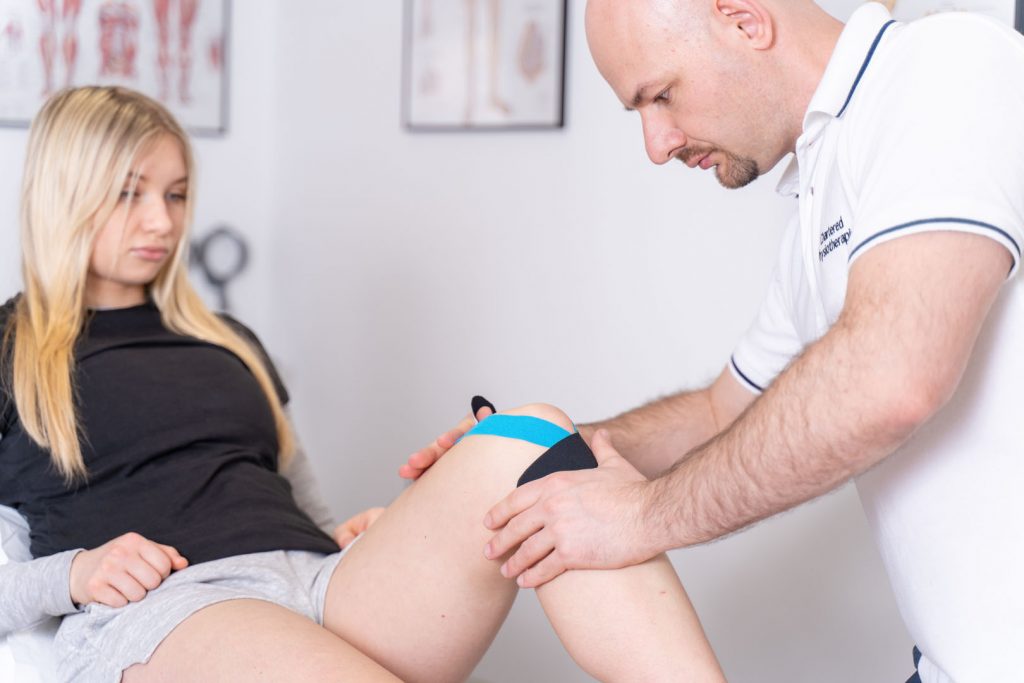
If you feel knee pain walking to the shops, up the stairs, or even just around your home, you’re not alone. Knee pain is one of the most common joint problems people in Southampton and across the UK face, and it can quickly turn simple daily tasks into a real challenge. At PhysioCraft, we help people understand why their knees hurt and what they can do to move more comfortably and confidently again.
Understanding Knee Pain When Walking
When you experience knee pain walking, it can feel sharp, dull, aching, or even like the knee might “give way.” You might notice it more when you first get up in the morning, when you walk longer distances, or when you go up and down stairs. The knee is a complex joint where bones, cartilage, ligaments, tendons, and muscles all work together. If any of these structures are irritated or injured, walking can quickly become uncomfortable.
In Southampton, many of the people we see at PhysioCraft describe knee pain that has crept up gradually over time, rather than starting with a single injury. That slow build-up often points to issues like overuse, muscle imbalances, or early wear and tear in the joint. Others report a sudden onset of pain after a twist, fall, or sporting incident. Understanding how your pain started is an important first step to getting the right help.
The good news is that most causes of knee pain can be improved with the right combination of assessment, targeted exercises, and hands-on treatment. With a clear plan, you don’t have to accept painful walking as your new normal.
Common Causes of Knee Pain When Walking
There are many reasons you might feel knee pain walking around Southampton, whether that’s on pavements, hills, or stairs at home. Some causes are related to the joint itself, while others stem from the muscles and tissues surrounding the knee. Knowing the likely cause helps guide the most effective treatment.
Below are some of the most frequent issues we see at PhysioCraft when people come in complaining of knee pain that worsens with walking or standing.
Osteoarthritis and Age-Related Changes
One of the most common causes of knee pain in adults, especially over 40, is osteoarthritis. This is a gradual thinning of the cartilage that cushions the ends of your bones. As the cartilage wears down, the joint surfaces can become rougher, making movement feel stiff, painful, or crunchy. You might notice more pain when you first start walking, which then eases slightly as you warm up.
In Southampton, we often see osteoarthritis in people who have had physically demanding jobs, years of sport, or previous injuries. While arthritis can’t be reversed, the right exercises and manual therapy can significantly reduce pain and improve your walking ability. Strengthening the muscles around your knee and hip is especially important to support the joint.
Patellofemoral Pain (Pain Around the Kneecap)
Patellofemoral pain is sometimes called “runner’s knee,” but you don’t have to be a runner to experience it. It describes pain at the front of the knee, often around or behind the kneecap. You may feel it more when walking downstairs, squatting, or sitting for long periods with bent knees.
This type of pain is often related to the way your kneecap tracks over the joint when you bend and straighten your leg. Muscle imbalances, foot posture, or previous injuries can all play a role. With a proper assessment and tailored rehabilitation, most people see clear improvements in how comfortable walking feels.
Tendon and Soft Tissue Irritation
If your pain is more focused just below the kneecap or at the side of the knee, it may be related to the tendons or soft tissues. Conditions such as patellar tendinopathy (“jumper’s knee”) or iliotibial band (ITB) irritation are common in people who walk or run a lot, especially on hills or hard surfaces.
These problems often respond well to a combination of load management (temporarily adjusting how much you walk), strengthening exercises, and targeted hands-on treatment to calm the irritated tissues.
When Should You Worry About Knee Pain?
Not all knee pain walking is a sign of serious damage, but there are certain situations where you should seek help promptly. In Southampton, we encourage people not to ignore symptoms that are getting worse or interfering with daily life, because early treatment often leads to better, faster results.
It’s especially important to get your knee assessed if:
- The pain is severe or came on suddenly after a fall, twist, or accident
- Your knee is very swollen, hot, or looks visibly deformed
- You cannot put weight through the leg or the knee keeps “giving way”
- You have locking (the knee gets stuck and won’t fully bend or straighten)
- You have a history of inflammatory conditions or unexplained weight loss, fever, or redness in several joints
These signs don’t always mean something serious is wrong, but they do warrant a professional opinion. At PhysioCraft in Southampton, we can carry out a thorough assessment and examination to identify what’s driving your symptoms. If needed, we can also advise whether further medical tests or scans are appropriate.
Even if your symptoms are milder, you don’t have to wait until things get worse. Addressing knee pain early can prevent it from turning into a long-term problem that limits your walking, work, or hobbies.
How Physiotherapy Helps Knee Pain When Walking
Physiotherapy is one of the most effective, evidence-based ways to manage knee pain walking and help you get back to comfortable movement. At PhysioCraft in Southampton, we take a personalised approach, because no two knees—or lifestyles—are exactly the same.
Your first session typically starts with a detailed conversation about your pain, daily activities, work, and goals. We then assess how your knee moves, how strong the surrounding muscles are, and how your hips, ankles, and feet might be influencing your walking pattern. From there, we create a clear plan focused on reducing pain and improving function.
Hands-On Treatment and Pain Relief
Many people find that hands-on techniques help to ease pain and stiffness, especially in the early stages of treatment. At PhysioCraft, this might include manual therapy such as gentle joint mobilisations and soft tissue work to reduce tension and improve mobility. These techniques can make it more comfortable for you to walk and exercise, so you can build strength safely.
For some people, additional therapies such as manual therapy or ultrasound therapy may be recommended to support healing and reduce inflammation in irritated tissues. The exact combination will depend on your specific diagnosis and how sensitive your knee is.
Rehabilitation Exercises and Long-Term Results
While pain relief is important, the real long-term change usually comes from targeted rehabilitation exercises. These exercises are designed to strengthen the muscles that support your knee, improve your balance, and optimise the way you walk. At PhysioCraft, we’ll show you how to perform each exercise correctly and adjust them as you progress.
We often use structured rehabilitation exercises to gradually increase the load your knee can tolerate, so walking becomes easier and more natural again. This might include simple movements like sit-to-stands, step-ups, or resistance band work at home, as well as guidance on how to safely increase your daily walking distance around Southampton.
Self-Help Tips to Ease Knee Pain When Walking
Alongside professional treatment, there are practical steps you can take yourself to reduce knee pain walking and protect your joints. Small changes in your routine can make a noticeable difference over time, especially if your pain has been building gradually.
These tips are general guidelines. If you’re unsure whether they’re right for you, it’s always worth getting personalised advice, particularly if you live in or near Southampton and can easily access local support.
Adjusting Your Activity and Walking Habits
If your pain has recently flared up, temporarily reducing how far or how fast you walk can help calm things down. This doesn’t mean complete rest—in fact, total rest often makes joints stiffer and weaker—but it does mean finding a level of activity your knee can tolerate without significantly increasing pain.
Try breaking longer walks into shorter, more frequent ones, and choose flatter routes where possible. Around Southampton, that might mean swapping steep hills for gentler paths while your knee recovers. Wearing supportive, cushioned footwear can also help reduce the impact on your knees when you walk on hard surfaces.
Simple Strength and Mobility Exercises at Home
Gentle strengthening and mobility exercises can support your knee and make walking more comfortable. Examples include:
- Seated knee straightening to wake up your thigh muscles
- Mini squats or sit-to-stand exercises from a chair
- Heel raises to strengthen your calves, which help control your stride
- Gentle stretches for your quadriceps, hamstrings, and calves
When done regularly, these simple movements help your muscles share more of the load, so the joint itself doesn’t have to work as hard. If you’re unsure how to start safely, a guided programme from a physiotherapist can be very reassuring.
Supporting Your Knee With the Right Equipment
Sometimes, small changes in support can make a big difference to knee pain walking. This might include footwear, insoles, or braces that help align and protect your knee. The key is to choose support that matches your specific needs rather than relying on generic products.
For example, if your foot rolls inwards (overpronation), it can affect how your knee tracks when you walk. In those cases, the right orthopaedic support can reduce strain on the joint and make each step more comfortable, whether you’re walking around Southampton city centre or along the waterfront.
At PhysioCraft, we can advise on whether specialist supports or appliances would be useful in your situation and how to use them alongside your exercise programme for the best results.
Frequently Asked Questions
Why does my knee hurt only when I walk?
Feeling knee pain walking but not at rest usually means the structures in your knee are sensitive to load or movement. This can happen with issues like early osteoarthritis, tendon irritation, or patellofemoral pain. When you walk, your knee has to absorb several times your body weight, step after step, so any irritation is more noticeable. A proper assessment can pinpoint which structures are involved and how to reduce that stress.
Should I keep walking if my knee hurts?
In many cases, it’s better to adjust your walking rather than stop completely. If your pain is mild and eases quickly after activity, gentle walking can help keep your joint mobile. However, if your pain is sharp, worsening, or causing your knee to give way, you should reduce your walking distance and seek professional advice. Continuing to push through significant pain can make the problem harder to treat.
Can exercises really fix knee pain?
Exercises are one of the most effective tools for managing many types of knee pain walking. They help strengthen the muscles that support your knee, improve alignment, and increase your joint’s ability to handle load. While not every condition can be completely “fixed,” the right exercise programme often leads to much less pain, better walking tolerance, and more confidence in your knee.
When should I see a physiotherapist in Southampton?
You should consider seeing a physiotherapist if your knee pain has lasted more than a couple of weeks, is getting worse, or is limiting your normal activities. If you live in or around Southampton and notice swelling, locking, or repeated giving way, it’s especially important to get assessed. Early help can prevent a minor issue from becoming a long-term problem.
At PhysioCraft in Southampton, we’re here to help you understand your knee, reduce your pain, and get back to walking with confidence. If you’re ready to take the next step, you can book an appointment online today and start moving towards more comfortable, enjoyable walks again.