
If you live with stubborn pain that just won’t shift, you may have heard about shockwave therapy and wondered whether it actually works. As more clinics offer shockwave therapy UK wide, it can be hard to know what’s hype and what’s genuinely helpful. At PhysioCraft in Southampton, we use shockwave therapy as part of a tailored treatment plan to help you move more freely, reduce pain and get back to the activities you love.
What Is Shockwave Therapy and How Does It Work?
Shockwave therapy, also called Extracorporeal Shockwave Therapy (ESWT), is a non-invasive treatment that uses high-energy sound waves to stimulate healing in injured tissues. Despite the name, there is no electrical shock involved. Instead, a handheld device sends focused acoustic waves into the painful area to trigger your body’s natural repair processes.
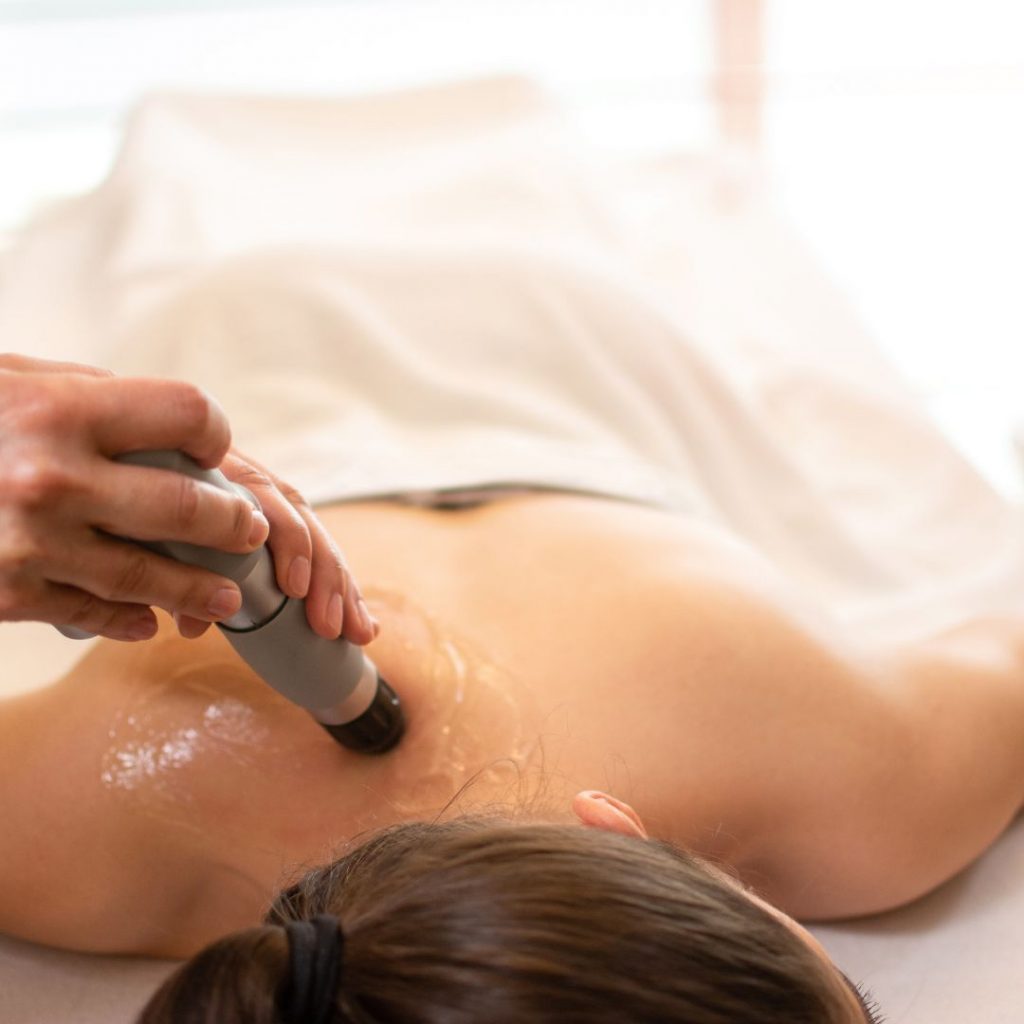
During a session, a clinician applies gel to your skin and moves the shockwave applicator over the target area. The device delivers rapid pulses that you feel as tapping or flicking sensations. These waves increase blood flow, break down problematic tissue, and stimulate cell activity, helping your body repair long-standing injuries that may not have responded to rest or standard physiotherapy alone.
In many shockwave therapy UK clinics, including PhysioCraft, the treatment is combined with a thorough assessment, hands-on therapy, and a personalised exercise plan. This combination often delivers better and longer-lasting results than relying on any single treatment in isolation.
Which Conditions Can Shockwave Therapy Help?
Shockwave therapy is particularly helpful for chronic (long-term) tendon and soft tissue problems, especially where there is degeneration rather than acute inflammation. If you’ve been living with pain for months or even years, this approach may be worth considering.
Common conditions treated with shockwave therapy in the UK include:
- Plantar fasciitis and heel spurs
- Achilles tendinopathy
- Patellar tendinopathy (jumper’s knee)
- Tennis elbow and golfer’s elbow
- Shoulder tendinopathy and calcific tendonitis
- Gluteal tendinopathy (hip pain on the outside of the hip)
- Persistent hamstring or adductor tendinopathy
These conditions often involve tiny micro-tears and degenerative changes in the tendon. Rest alone rarely fixes them, and they can become incredibly frustrating. Shockwave therapy aims to “reboot” the healing process in these stubborn tissues so that your body can repair them more effectively.
When Shockwave Therapy Is Most Useful
Shockwave therapy tends to be most effective when your pain has been present for at least three months and has not responded fully to other conservative treatments such as rest, activity modification, or basic exercises. If you’ve already tried standard physiotherapy or massage and your symptoms keep coming back, shockwave may provide the extra stimulus needed to progress.
In our Southampton clinic, we often recommend shockwave therapy when a detailed physiotherapy assessment and examination shows that a tendon or soft tissue structure is the primary source of your pain, and you’re ready to commit to a structured rehab plan alongside treatment.
Conditions Where Shockwave May Not Be Appropriate
Shockwave therapy is not suitable for every type of pain. It is generally not used directly over the spine, major nerves, or areas with poor circulation, and it isn’t a first-line option for acute injuries such as fresh muscle tears. It’s also not appropriate over open wounds, infections, or certain types of bone conditions.
This is why a proper clinical assessment is essential before starting shockwave therapy, whether you’re in Southampton or elsewhere in the UK. At PhysioCraft, we always check your medical history, current medications, and overall health before recommending this treatment.
Does Shockwave Therapy Really Work? What the Evidence Says
The big question you’re probably asking is simple: does shockwave therapy work, or is it just a trend? While no treatment is a magic cure for everyone, there is a growing body of research supporting shockwave therapy for specific conditions, particularly chronic tendon and plantar fascia problems.
Multiple clinical studies and reviews have shown that shockwave therapy can reduce pain and improve function in conditions like plantar fasciitis, tennis elbow, and calcific shoulder tendinitis. In many cases, it has performed as well as or better than steroid injections in the medium to long term, without the same potential side effects.
Results are not instant, and they depend on the quality of the assessment, how the treatment is delivered, and how well you follow the recommended rehab plan. In our experience at PhysioCraft in Southampton, people who combine shockwave therapy with tailored strengthening and flexibility exercises tend to see the best improvements.
What Kind of Results Can You Expect?
Most people notice a gradual reduction in pain over several weeks, rather than a sudden overnight change. You may feel a bit sore immediately after a session, but this usually settles within 24–48 hours. Over time, you should find it easier to walk, climb stairs, exercise, or perform daily tasks that previously aggravated your symptoms.
In many shockwave therapy UK clinics, a typical course involves three to six sessions, spaced about a week apart. Some people feel improvement after the first or second session, while others notice more change towards the end of the course. Your therapist will review your progress and adjust your plan as needed.
Factors That Influence Your Outcome
Your response to shockwave therapy can depend on several factors, including how long you’ve had the problem, your general health, your activity levels, and how consistently you follow your exercise programme. Smoking, uncontrolled diabetes, and very high activity loads can all slow down healing.
At PhysioCraft, we take these factors into account when advising whether shockwave therapy is likely to help you. We may also combine it with other treatments such as hands-on manual therapy and joint mobilisation or a structured rehabilitation exercise programme to support your recovery.
What to Expect During a Shockwave Therapy Session at PhysioCraft
Knowing what will happen can ease a lot of anxiety before your first appointment. At PhysioCraft in Southampton, your shockwave therapy journey starts with a detailed assessment to confirm that this is the right treatment for you. We’ll ask about your symptoms, daily activities, sports or work demands, and any previous treatments you’ve tried.
Once we’ve identified the underlying cause of your pain, we’ll explain how shockwave therapy fits into your overall plan. You’ll have time to ask questions and discuss any concerns so you can make an informed decision about proceeding.
During the Treatment
For the session itself, you’ll be positioned comfortably so the therapist can access the painful area. A small amount of gel is applied to help transmit the shockwaves. The handheld device is then placed on your skin, and the therapist slowly moves it around the target region.
You’ll hear a tapping sound and feel a series of quick pulses. The intensity can be adjusted, and we always work with you to find a level that is effective but tolerable. Most people describe the sensation as uncomfortable but manageable, and it typically eases as the session progresses.
After the Session
You can usually walk out and carry on with your day straight after shockwave therapy. Some mild soreness, redness, or bruising in the treated area is normal and usually settles quickly. You’ll be given clear guidance on what to do and what to avoid, such as reducing high-impact activities for a short period to allow healing to progress.
We’ll also review your exercise plan and any other treatments you’re using so that everything works together. This joined-up approach is one reason many people in Southampton and across the UK are turning to shockwave therapy as part of a wider, active recovery strategy rather than relying only on passive treatments.
Is Shockwave Therapy Safe and Are There Any Side Effects?
Shockwave therapy has been used for many years and is generally considered safe when delivered by trained professionals. It is non-invasive, meaning there are no needles, cuts, or surgery, and most people tolerate it well.
Common, short-term side effects can include temporary pain or soreness, mild swelling, redness, or small bruises in the treated area. These usually resolve within a few days and can often be managed by reducing load on the area and using simple self-care strategies as advised by your therapist.
Serious complications are rare, but like any medical treatment, shockwave therapy is not suitable for everyone. You should always let your clinician know if you are pregnant, have a blood clotting disorder, take blood-thinning medication, have a pacemaker or other implanted device, or have had cancer in the treatment area.
Who Should Avoid Shockwave Therapy?
Shockwave therapy is typically not recommended if you:
- Are pregnant
- Have an active infection or open wound at the treatment site
- Have a known tumour or cancer in the area
- Have severe circulation problems or nerve disorders in the area
- Use blood thinners or have a bleeding disorder (unless cleared by your doctor)
Before starting shockwave therapy in Southampton or anywhere in the UK, you should always have a proper consultation to check for these and any other potential contraindications. At PhysioCraft, your safety comes first, and we will only recommend shockwave if we believe it is appropriate for your specific situation.
Shockwave Therapy UK: How to Decide If It’s Right for You
With more clinics offering shockwave therapy UK wide, it’s important to choose a provider that focuses on thorough assessment and evidence-based care rather than quick fixes. Shockwave therapy works best when it’s part of a personalised plan, not a stand-alone “one size fits all” solution.
If you’re in or around Southampton and have been living with persistent tendon or soft tissue pain, shockwave therapy at PhysioCraft may be a good option to explore. We’ll look at your whole situation, including posture, strength, movement patterns, and lifestyle factors, to understand why your pain developed and what needs to change for lasting relief.
In some cases, we might recommend starting with other treatments, such as targeted shockwave therapy combined with tailored physiotherapy or specific exercise rehabilitation, before deciding whether additional modalities are needed. The goal is always the same: to help you move more comfortably and confidently in your everyday life.
Frequently Asked Questions
How many shockwave therapy sessions will I need?
Most people need between three and six sessions, usually spaced about a week apart. The exact number depends on the condition being treated, how long you’ve had it, and how your body responds. Your therapist will review your progress regularly and adjust your plan if needed.
Does shockwave therapy hurt?
You will likely feel some discomfort during treatment, often described as a tapping or sharp ache. The intensity is adjustable, and we work with you to keep it at a tolerable level. Many people find the sensation becomes more comfortable as the session continues.
How quickly will I feel results?
Some people notice improvement after the first or second session, while others feel more change towards the end of the course. Pain relief and functional gains typically build gradually over several weeks as your tissues respond and you follow your exercise programme.
Can I continue exercising during shockwave therapy treatment?
In most cases, you can continue with light to moderate activity, but you may be advised to reduce or modify high-impact or very painful exercises for a short time. Your therapist will give you clear, personalised guidance so you can stay active without overloading the healing tissues.
Conclusion: Taking the Next Step Towards Pain-Free Movement
Living with ongoing pain can be exhausting, especially when you’ve already tried rest, stretches, or standard treatments without lasting relief. Shockwave therapy offers a non-invasive, evidence-based option that can help restart healing in stubborn tendons and soft tissues, particularly when combined with expert assessment and tailored rehabilitation.
If you’re in Southampton or nearby and are curious whether shockwave therapy could help your heel, Achilles, shoulder, or elbow pain, the best next step is to talk it through with a qualified clinician. At PhysioCraft, we’ll take time to understand your story, examine the root cause of your pain, and explain your options clearly so you can make an informed choice.
Ready to explore whether shockwave therapy is right for you? You can book an appointment at PhysioCraft in Southampton today and start moving towards more comfortable, confident movement.