
If you’ve just pulled a muscle, those first sharp twinges of pain can be worrying and confusing. What you do next really matters. The first 48 hours are critical for effective muscle strain treatment, reducing swelling, and protecting the injured area so it can heal properly. At PhysioCraft in Southampton, we regularly help people who’ve just hurt a muscle at the gym, on the pitch, at work, or even just getting up from the sofa too quickly. This guide walks you through exactly what to do step by step.
Recognising a Pulled Muscle: Is It Really a Strain?
Before you decide how to treat it, you need to be confident you’re actually dealing with a muscle strain. A pulled muscle happens when the muscle fibres are overstretched or torn. This can occur suddenly, like sprinting from a standing start, or build up gradually through overuse.
Common signs of a muscle strain include a sudden sharp pain, tenderness when you press on the area, and pain that gets worse when you use that muscle. You might also notice stiffness, weakness, or difficulty moving the joint the muscle crosses. In the hours that follow, bruising and swelling can appear as blood vessels in the damaged tissue leak.
It’s important to understand that not all pain after activity is a strain. Delayed onset muscle soreness (DOMS) is a normal response to unfamiliar or intense exercise and usually peaks 24–72 hours later. DOMS feels more like a dull ache or stiffness in both sides of a muscle group, rather than a sharp, localised pain on one side. When you’re unsure, it’s safer to treat it as a strain in those early hours and seek professional advice if the pain is severe or not improving.
The First Hour: Immediate Steps After a Muscle Pull
What you do in the first hour after a muscle injury can significantly influence how quickly and cleanly it heals. Think of this period as damage control. Your goal is to limit bleeding within the muscle, reduce swelling, and prevent further tearing.
As soon as you feel that pull or sharp pain, stop the activity immediately. Trying to “run it off” or “push through” is one of the quickest ways to turn a mild strain into a more serious tear. Sit or lie down in a comfortable position that doesn’t increase the pain. If it’s a leg or calf muscle, for example, keep your weight off it and avoid stretching it aggressively.
Protect and Position the Injured Area
Protection is the first step in effective muscle strain treatment. Use any support you have available, such as a bandage or simple wrap, to gently stabilise the area. Avoid anything that causes more pain or pins-and-needles sensations. If it’s a leg or ankle, propping it up on a chair or cushion can help reduce blood flow and swelling.
Try to keep the muscle in a neutral, pain-free position. Forcing it into a deep stretch, even if it feels tight, can worsen the tiny tears in the muscle fibres. In these early moments, your priority is to calm the tissue, not to regain flexibility.
Apply Cold — But Do It Safely
Cold therapy can help reduce pain and limit swelling. Wrap an ice pack or a bag of frozen peas in a thin towel and apply it to the injured area for 10–15 minutes at a time. Never put ice directly on your skin, as this can cause an ice burn. You can repeat this every 1–2 hours in the first day, as long as it feels comfortable and doesn’t increase your pain.
In Southampton’s busy sports and fitness scene, we often see people over-icing injuries. More is not always better. Short, regular applications are usually more effective and safer than leaving ice on for long periods.
The First 24 Hours: What to Do (and What to Avoid)
Once you’re past the initial shock, the first 24 hours are about managing inflammation and protecting the injured muscle while your body starts the repair process. This is where a structured approach to muscle strain treatment can really pay off.
During this phase, you may notice swelling, warmth, and some bruising around the area. Pain may be more noticeable when you try to move or put weight through the muscle. Listen to your body—pain is a useful guide here.
Follow the PEACE Principles
A helpful way to remember what to do is the PEACE principle:
P – Protect: Limit movement and avoid activities that increase pain. Use crutches or a support if you can’t walk without limping.
E – Elevate: When possible, raise the injured area above the level of your heart to help reduce swelling. For a leg strain, lie down and rest your leg on pillows.
A – Avoid anti-inflammatories (initially): While it can be tempting to reach straight for anti-inflammatory tablets or gels, they may interfere with the early healing process if overused. If you’re considering medication, speak with a pharmacist, GP, or physiotherapist, especially if you have other health conditions.
C – Compress: A light elastic bandage or compression sleeve can help control swelling and give the area some support. Make sure it’s snug but not so tight that you get numbness, tingling, or colour changes in your skin.
E – Educate: Understanding your injury helps you avoid common mistakes. If you’re in or near Southampton, an early physiotherapy assessment and examination can clarify how severe the strain is and what you should do next.
What to Avoid in the First 24 Hours
Just as important as what you do is what you avoid. Heat, alcohol, and vigorous massage can all increase bleeding and swelling in the early stages. That means no hot baths, saunas, or heat packs in the first 24 hours, even if warmth feels soothing.
Avoid stretching into pain. Gentle, pain-free movements are fine, but forcing the muscle to lengthen can worsen the tear. Also try to avoid activities that make you limp or significantly change your movement pattern. Compensating like this can put extra strain on other areas, leading to secondary issues such as back or hip pain.
24–48 Hours: Gentle Movement and Monitoring Your Symptoms
As you move into the second day, your focus shifts slightly. You still want to protect the muscle, but you can often begin introducing very gentle movement, as long as it doesn’t increase your pain. This phase is about encouraging circulation, preventing stiffness, and monitoring how your body responds.
Most people in this stage will still feel tenderness and some limitation in movement. However, you should start to notice that resting pain is easing a little, even if movement is still uncomfortable. If pain is getting worse, not better, that’s a sign you may need a professional opinion.
Start Gentle, Pain-Free Movements
If your pain allows, try small, controlled movements of the injured area within a pain-free range. For example, if you’ve strained your calf, you might gently flex and point your foot while sitting or lying down. The aim is not to strengthen yet, but to keep the joint and muscle from becoming too stiff.
Listen carefully to your body. Mild discomfort is acceptable, but sharp or increasing pain is a signal to stop. Remember, you’re still in the early healing phase. Pushing too hard now can set you back days or even weeks.
When to Seek Professional Help
Not every pulled muscle needs urgent medical attention, but there are clear signs that you should get help quickly. See a doctor or physiotherapist if you:
- Heard or felt a pop at the time of injury
- Can’t walk or put weight through the limb
- Have severe swelling or a visible deformity
- Notice numbness, tingling, or weakness that doesn’t improve
- See no improvement at all after 48 hours of rest and self-care
At PhysioCraft in Southampton, we can assess the severity of your muscle strain, rule out more serious injuries, and design a tailored recovery plan. For sports-related strains, our sports injury physiotherapy service provides targeted support to help you return safely to your chosen activity.
Common Mistakes That Slow Down Muscle Healing
Even with the best intentions, it’s easy to make mistakes in those first 48 hours that delay recovery. Understanding these pitfalls can help you avoid turning a minor strain into a lingering problem.
One of the most common issues we see in our Southampton clinic is returning to full activity too soon. As soon as the sharp pain eases, it’s tempting to go back to running, lifting, or playing sport at your usual intensity. But the deeper tissue may still be healing, and sudden overload can re-tear the muscle.
Over-Resting or Over-Doing It
There’s a fine balance between protecting the muscle and doing too little. Total rest for too long can lead to stiffness, weakness, and slower healing. On the other hand, doing too much too soon can aggravate the injury. The sweet spot is relative rest: avoiding painful activities while keeping the rest of your body moving and gradually reintroducing gentle use of the injured muscle.
This is where guided rehabilitation can make a big difference. Structured rehabilitation exercises help you progress at the right pace, reducing the risk of re-injury.
Ignoring Pain Signals
Pain is your body’s way of telling you something isn’t right. Numbing it with excessive medication or ignoring it altogether can lead you to push beyond what the healing tissue can handle. If a particular movement or activity consistently increases your pain during or after, it’s a sign you need to modify or avoid that activity for now.
Another mistake is focusing only on the painful spot and ignoring the rest of your body. Muscle strains often develop because of underlying issues such as poor movement patterns, weak supporting muscles, or reduced flexibility elsewhere. A thorough assessment can identify these contributing factors so you can address the root cause, not just the symptoms.
How Physiotherapy Supports Recovery After the First 48 Hours
Once you’re beyond the initial 48 hours, your priorities gradually shift from protection to rebuilding. This is where working with a physiotherapist can significantly speed up your recovery and help you regain confidence in the injured area.
In Southampton, many of our clients at PhysioCraft come to us a few days after a muscle strain, once the initial pain has settled but they’re unsure how to progress safely. A tailored plan can make the difference between a smooth recovery and weeks of stop-start pain.
Hands-On Treatment and Pain Relief
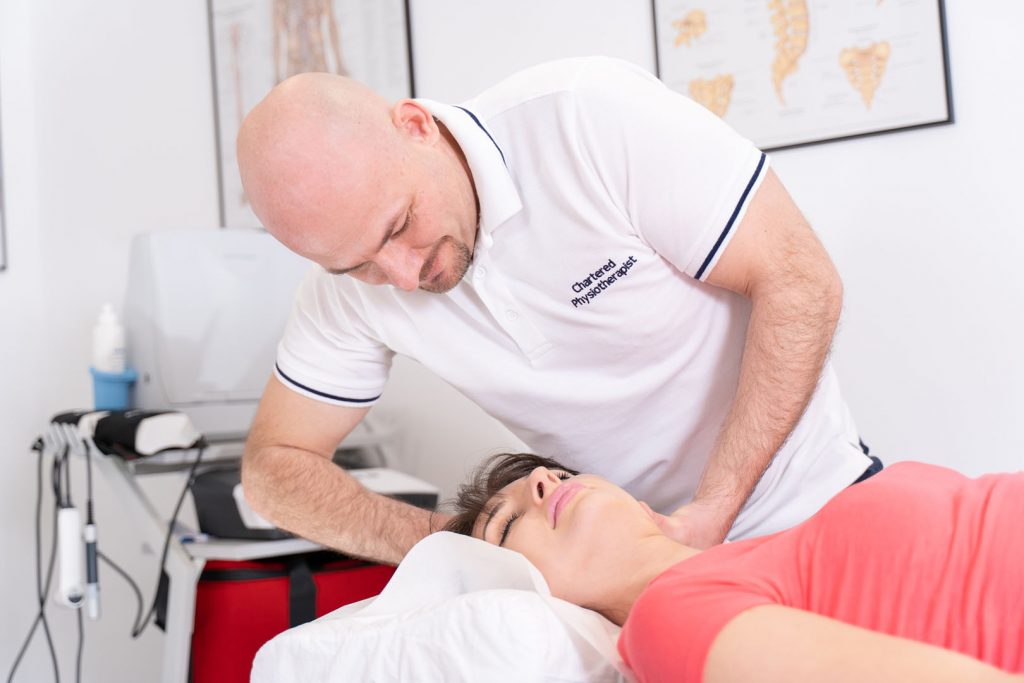
Depending on the stage and severity of your strain, your physiotherapist may use a combination of hands-on techniques to reduce pain, ease muscle tension, and improve circulation. This might include targeted manual therapy for muscle and joint stiffness or sports massage techniques to address tight surrounding tissues.
As your pain settles, more active approaches take over. Guided strengthening, balance work, and movement retraining help restore your muscle’s resilience so you can return to everyday tasks, work, or sport without fear of re-injury.
Building Strength and Preventing Future Strains
Effective muscle strain treatment isn’t just about getting you out of pain; it’s about making the muscle and surrounding area stronger than before. Your physiotherapist will usually progress you through a structured exercise plan, starting with low-load, controlled movements and gradually increasing resistance and complexity.
For active people in Southampton—whether you’re a runner, gym-goer, or weekend footballer—this phase is crucial. Skipping it can leave the muscle vulnerable, increasing the risk of another pull the next time you push yourself. A well-designed programme will also look at your overall movement patterns, footwear, training load, and warm-up routines to reduce the chance of future injuries.
Frequently Asked Questions
How do I know if my pulled muscle is serious?
Signs of a more serious muscle injury include intense pain, a popping sensation at the time of injury, significant swelling or bruising, and an obvious gap or dent in the muscle. If you can’t walk, lift, or use the limb at all, or if the pain is worsening after 24–48 hours despite rest and self-care, you should seek professional assessment. In Southampton, you can contact PhysioCraft for a thorough evaluation and tailored advice.
Should I stretch a pulled muscle in the first 48 hours?
Deep or forceful stretching is not recommended in the first 48 hours after a muscle strain. The fibres are healing, and aggressive stretching can reopen the small tears and delay recovery. Gentle, pain-free movements are usually safer. After the early phase, your physiotherapist can guide you on when and how to reintroduce stretching.
Is it okay to massage a muscle strain straight away?
Strong massage directly over a fresh muscle strain in the first 24–48 hours can increase bleeding and swelling. Light touch around the area may be comfortable, but deeper work is usually best left until the initial inflammation has settled. At that point, targeted massage from a trained professional can be very helpful as part of your overall muscle strain treatment plan.
When can I return to sport or the gym after a pulled muscle?
The timeline depends on the severity of your strain, your general fitness, and how well you follow your rehab plan. Mild strains may recover in a couple of weeks, while more severe tears can take several weeks or longer. A safe return usually means you can move, load, and use the muscle at full intensity without pain during or after activity. A physiotherapist can test your strength and function to give you a clear, personalised answer.
Conclusion: Take Control of Your Recovery in Southampton
Pulling a muscle is painful, frustrating, and often badly timed—but what you do in the first 48 hours can make a huge difference to how well and how quickly you recover. Protecting the area, using cold sensibly, avoiding common mistakes, and gradually reintroducing movement are the foundations of effective muscle strain treatment. From there, structured rehabilitation helps you rebuild strength and confidence so you can return to the activities you enjoy.
If you’re in Southampton and have recently pulled a muscle, you don’t have to guess your way through recovery. The team at PhysioCraft is here to assess your injury, guide your rehab, and support you at every stage. Take the next step towards a safer, faster recovery and book an appointment with PhysioCraft in Southampton today.