
If you are living with stubborn pain, stiffness or a slow-healing injury, you may have been told that ultrasound therapy physio could help. At PhysioCraft in Southampton, ultrasound is one of the gentle, non-invasive tools we use to support your recovery, reduce pain and help you move more freely. But what actually is ultrasound therapy, how does it work, and is it right for you?
What Is Ultrasound Therapy in Physiotherapy?
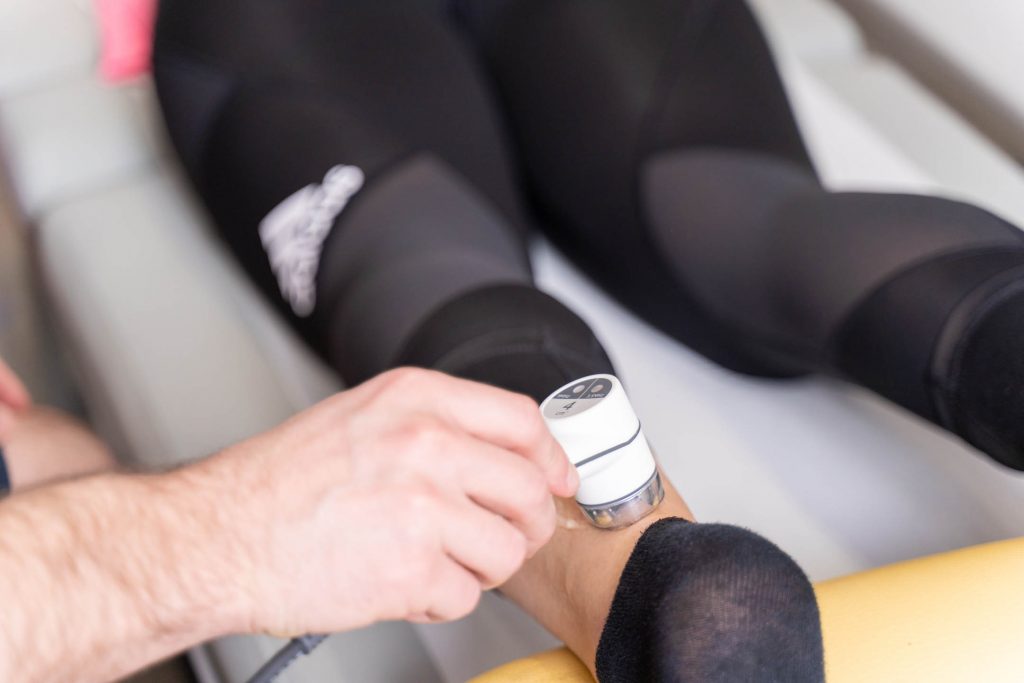
In simple terms, ultrasound therapy physio uses sound waves at a frequency too high for you to hear. These waves are delivered through a small handheld device that your physiotherapist moves over your skin, usually with a special gel to help the sound waves travel into the tissues.
Unlike the ultrasound scans you might know from pregnancy or diagnostic tests, therapeutic ultrasound is designed not to create images, but to influence how your tissues behave. The sound waves can create a gentle heating effect deep under your skin and also cause tiny vibrations in your cells. Together, these effects can support your body’s natural healing processes.
At PhysioCraft in Southampton, ultrasound therapy is never used in isolation. Your physiotherapist will typically combine it with hands-on techniques, tailored exercises and, where helpful, other modalities such as manual therapy to give you a comprehensive treatment plan.
How Does Ultrasound Therapy Physio Actually Work?
To understand how ultrasound therapy physio might help you, it is useful to know a little about what is happening beneath the surface. When the ultrasound head glides over your skin, sound waves pass into your muscles, tendons and ligaments. These waves have two main effects: thermal (heat) and non-thermal (mechanical).
The thermal effect is a gentle, deep warming of the tissues. This can help increase blood flow, relax tight muscles and make connective tissues more flexible. The non-thermal effect is where microscopic bubbles in the tissue expand and contract – a process called cavitation – which can support cell activity and tissue repair. You will not feel these microscopic changes, but over a course of treatment they may contribute to faster healing.
Because of these effects, ultrasound therapy is often used for soft tissue injuries, tendon problems and joint issues that are not improving as quickly as they should. Your physiotherapist at PhysioCraft in Southampton will adjust the settings – such as intensity and treatment time – based on the area being treated and how acute or long-standing your problem is.
Thermal vs Non-Thermal Settings
When your pain is more chronic – for example, a long-term tendon irritation or lingering stiffness after an old injury – your therapist may use settings that produce more heat. This can help improve tissue elasticity and make it easier to stretch and mobilise the area during your session.
For more recent, inflamed injuries, non-thermal settings are often preferred. These focus on the mechanical effects to support healing without adding extra heat that could irritate already inflamed tissues. This is one of the reasons why ultrasound therapy is so adaptable and can be tailored to your specific stage of recovery.
Why Ultrasound Is Only One Piece of the Puzzle
It is important to remember that ultrasound therapy physio is rarely a stand-alone solution. At PhysioCraft, we use it as part of a broader plan that may also include targeted rehabilitation exercises , hands-on treatment and advice on posture, activity and self-care.
This combined approach helps ensure that any short-term relief you feel from ultrasound is backed up by long-term changes in strength, flexibility and movement patterns. That is how you move from temporary improvement to lasting results.
Conditions Ultrasound Therapy Can Help With
People in Southampton come to PhysioCraft for ultrasound therapy physio for a wide range of problems. While your exact treatment plan will be unique, there are some common conditions where ultrasound is often considered.
Soft tissue injuries are a key area. These include muscle strains, ligament sprains and tendon issues that are slow to settle. Ultrasound may help by encouraging circulation and supporting the repair of damaged fibres. It is often used once the initial, very acute phase has passed and your physiotherapist feels that the tissues are ready for more active healing.
Ultrasound can also be useful in managing certain types of joint pain, particularly when there is associated soft tissue involvement. For example, if you have shoulder impingement or knee pain linked to tendon irritation, ultrasound may be used alongside other treatments to help calm the area and prepare it for exercise and manual therapy.
Common Areas Treated
Some of the most frequent areas we treat with ultrasound at PhysioCraft in Southampton include:
- Shoulders – for rotator cuff irritation, impingement and tendon issues
- Elbows – such as tennis elbow or golfer’s elbow
- Knees – including patellar tendon problems and post-surgical stiffness
- Achilles tendon and calf – for overuse or sports-related injuries
- Lower back and neck – particularly when muscle tension and soft tissue pain are involved
In some cases, ultrasound may also be used to help with scar tissue, post-operative healing and certain chronic inflammatory conditions, depending on your individual assessment.
When Ultrasound May Not Be Appropriate
There are times when ultrasound therapy physio is not the right choice. For example, it is generally avoided over areas with active infection, over certain types of implants, or directly over the abdomen in pregnancy. It is also not used over areas where you have reduced sensation, as accurate feedback is important for safe treatment.
At PhysioCraft, your physiotherapist will carry out a thorough assessment and examination to make sure ultrasound is safe and suitable for you, and to discuss alternative options if it is not.
What to Expect During Ultrasound Therapy at PhysioCraft
If you have never had ultrasound therapy physio before, you might feel a little unsure about what will happen during your appointment. The process is straightforward, comfortable and usually only takes a few minutes as part of your overall session.
First, your physiotherapist in Southampton will explain why they are recommending ultrasound and what they hope to achieve. They will check for any medical conditions or red flags that might change the plan. Then the area to be treated is exposed – for example, your shoulder or knee – and a clear gel is applied to your skin. This gel helps the sound waves travel efficiently from the device into your tissues.
The therapist then moves the ultrasound head slowly over the area in small circles or sweeping motions. You may feel a very mild warmth or nothing at all. Most people find the experience relaxing and completely painless. Treatment typically lasts between 5 and 10 minutes for each area, depending on the goal of the session.
After Your Ultrasound Session
Once the ultrasound part of your treatment is finished, your physiotherapist will usually continue with other elements of your plan. This may include stretching, joint mobilisation, massage or guided exercises. Combining these approaches can help you get the most from each session.
Afterwards, you might feel a little looser or more comfortable in the treated area. Occasionally, you may notice a temporary increase in soreness as your tissues respond, especially if you are also starting new exercises. Your therapist will advise you on what to expect and how to manage any short-lived discomfort.
How Many Sessions Will You Need?
The number of ultrasound therapy physio sessions you need depends on several factors: how long you have had the problem, how severe it is, your general health and how well you follow your home exercise and self-care plan. Some people notice a difference after just a few treatments, while others benefit from a longer course.
At PhysioCraft in Southampton, we will review your progress regularly. If ultrasound is helping, we may continue for a set number of sessions. If it is not making a meaningful difference, we will adapt your treatment plan and explore other options so that your time and effort are always well used.
Benefits and Limitations of Ultrasound Therapy Physio
Like any treatment, ultrasound therapy physio has both strengths and limitations. Understanding these can help you make an informed decision about whether it feels right for you as part of your physiotherapy in Southampton.
On the plus side, ultrasound is non-invasive, generally comfortable and has a low risk of side effects when used correctly. It can reach deeper tissues than many manual techniques alone, and may help reduce pain, improve circulation and support healing in stubborn soft tissue injuries. For many people, it is a helpful addition that makes it easier to progress with exercises and hands-on treatment.
However, ultrasound is not a magic fix. It does not rebuild strength, correct posture or change how you use your body day to day. Those changes come from active rehabilitation, education and lifestyle adjustments. That is why at PhysioCraft we emphasise that the biggest benefits come from combining ultrasound with tailored exercise and expert guidance, rather than relying on it alone.
How Ultrasound Compares to Other Treatments
In some situations, your physiotherapist may recommend other modalities instead of, or alongside, ultrasound. For example, if you have long-standing tendon pain or calcific deposits that are not responding to conservative care, they might discuss options such as shockwave therapy, which uses targeted pressure waves to stimulate healing.
For many musculoskeletal problems, combining ultrasound with hands-on techniques, exercise and education offers a safe and balanced approach. Your therapist will always explain the pros and cons of each option and involve you in decisions about your care.
Is Ultrasound Therapy Physio Right for You?
Deciding whether ultrasound therapy physio is right for you starts with a clear understanding of your problem. Are you dealing with a recent sports injury, a flare-up of back or neck pain, or a long-standing tendon issue that never fully settles? Each of these scenarios may call for a slightly different treatment strategy.
During your initial assessment at PhysioCraft in Southampton, your physiotherapist will listen to your story, examine the affected area and, if needed, consider additional tools such as diagnostic ultrasound (USG) to better understand what is happening inside the tissues. From there, they will discuss whether therapeutic ultrasound is likely to add value to your plan.
Even if ultrasound is suitable, it may not be the main focus of your treatment. For some people, the priority is improving joint mobility, for others it is rebuilding strength or addressing movement habits that keep aggravating the problem. Your plan will always be tailored to your needs, preferences and goals.
Frequently Asked Questions
Is ultrasound therapy safe?
When delivered by a trained physiotherapist, ultrasound therapy physio is considered very safe. The settings are carefully chosen for your specific condition, and your therapist will avoid areas where ultrasound is not appropriate, such as over active infections or certain implants. If you are pregnant, have a pacemaker or any other medical concerns, be sure to mention these during your consultation so we can adjust your treatment accordingly.
Does ultrasound therapy hurt?
No, most people find ultrasound therapy completely comfortable. You may feel a slight warmth or nothing at all. If you ever feel sharp pain, burning or significant discomfort during treatment, tell your physiotherapist immediately so they can adjust or stop the session. Your comfort and safety are always the priority at PhysioCraft in Southampton.
How quickly will I notice results?
Response times vary. Some people experience a noticeable reduction in pain or stiffness after a few ultrasound therapy physio sessions, while others notice more gradual improvement over several weeks, especially when ultrasound is combined with exercises and lifestyle changes. Your therapist will set realistic expectations based on your specific condition and review your progress regularly.
Can ultrasound therapy replace exercise or other treatments?
Ultrasound therapy is best viewed as a supportive tool, not a replacement for active rehabilitation. While it may help reduce pain and support tissue healing, it does not build strength, improve flexibility or change how you move. For lasting results, it should be combined with a personalised exercise programme, education and, where appropriate, hands-on treatment.
Conclusion: Take the Next Step Towards Comfortable Movement
Living with ongoing pain, stiffness or a slow-healing injury can be exhausting and frustrating. Ultrasound therapy physio is one of the gentle, evidence-informed tools we use at PhysioCraft in Southampton to help you move towards lasting relief. When combined with expert assessment, tailored exercises and hands-on care, it can play a valuable role in your recovery.
If you are unsure whether ultrasound therapy is right for you, the best place to start is a thorough assessment with one of our experienced physiotherapists. We will take the time to understand your situation, explain your options clearly and create a plan that fits your life, not the other way around.
Ready to begin? You can book an appointment online with PhysioCraft in Southampton today and take a confident step towards easier, more comfortable movement.