
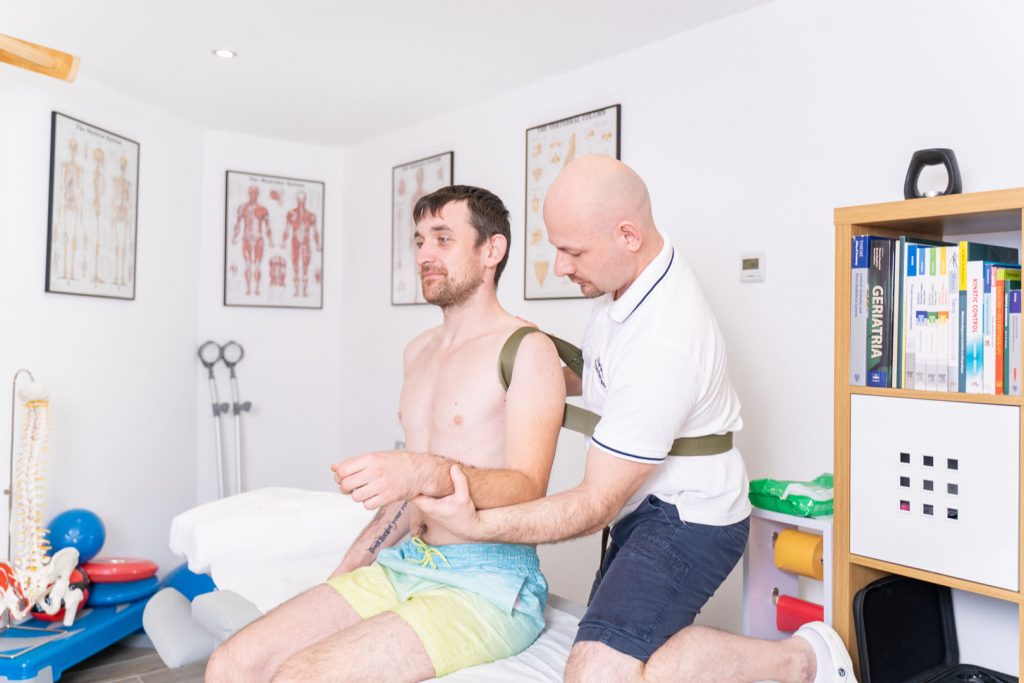
If you’re struggling with that nagging ache or sharp twinge between your shoulder blades, you’re not alone. Upper back pain causes a surprising amount of day-to-day discomfort, especially if you sit for long hours, drive a lot, or spend time on your phone or laptop. In this guide, you’ll learn what might be driving your upper back pain between the shoulder blades, how to tell when it’s serious, and what you can do right now to start feeling better.
Understanding Upper Back Pain Between Shoulder Blades
Pain between the shoulder blades is often described as a dull ache, burning sensation, or sharp, catching pain when you move. This area, known as the thoracic spine, includes your ribs, shoulder blade muscles, and many small joints. When any of these structures are irritated, you can feel pain that’s hard to ignore. Knowing the most common upper back pain causes helps you choose the right treatment instead of just hoping it will go away.
Unlike lower back pain, which often comes from lifting or twisting, upper back pain between your shoulder blades is frequently linked to posture, repetitive strain, or stiffness from a sedentary lifestyle. However, it can also be referred from your neck, shoulders, or even your ribs. At PhysioCraft in Southampton, many people are surprised to learn that their “shoulder blade pain” is actually coming from tight joints or irritated nerves in the mid-spine.
Why the Thoracic Spine Is So Vulnerable
Your thoracic spine is designed for stability and support, not huge ranges of motion. It anchors your rib cage and protects your lungs and heart. But when you sit in a rounded position for hours, the muscles that support this area fatigue and tighten, and the joints can stiffen. Over time, this can become one of the most persistent upper back pain causes you’ll face in daily life.
Because this area is so connected to your neck, shoulders, and ribs, problems can overlap. That’s why a thorough assessment is essential if your pain has lasted more than a few weeks or is affecting your sleep and work.
Common Upper Back Pain Causes Between the Shoulder Blades
There are many potential upper back pain causes, but some are far more common than others. Understanding these helps you work out whether simple self-care is enough or whether you should seek professional help in Southampton.
Below are some of the key culprits that PhysioCraft clinicians see most often in people with pain between the shoulder blades.
1. Posture and Desk-Based Strain
Long hours at a desk, laptop, or phone are among the most frequent upper back pain causes. When you sit with rounded shoulders and your head pushed forwards, the muscles between your shoulder blades are constantly working to hold you up. Over time, they become tired, tight, and sore, while the chest muscles shorten and pull you further into a slouched posture.
This posture-related pain often feels worse at the end of the day, when driving, or when you’re stressed. You might notice it eases a little when you get up, move around, or stretch, but returns as soon as you sit back down. If this sounds familiar, a combination of posture changes, targeted exercises, and occasional hands-on treatment can make a big difference.
2. Muscle Strain and Overuse
Sudden increases in activity, such as a new gym programme, DIY project, or gardening session, can strain the muscles around your shoulder blades. This is another frequent entry on the list of upper back pain causes. You might feel a sharp twinge during the activity, or the pain may build over the following 24–48 hours.
Overuse pain often feels tender to touch and may be worse with specific movements, like reaching overhead, pulling, or twisting. While mild strains usually settle with rest and gentle movement, recurring muscle pain can be a sign that your technique, strength, or flexibility needs attention.
3. Joint Stiffness in the Thoracic Spine
The small joints between your vertebrae can become stiff through lack of movement, poor posture, or previous injuries. This stiffness is one of the most underestimated upper back pain causes. It can create a deep, aching pain between the shoulder blades and make it uncomfortable to take a deep breath, twist, or sit upright for long periods.
People often describe this as feeling “locked up” or like they need to “crack” their back. Gentle joint mobilisation and specific exercises can restore movement and relieve pressure on the surrounding muscles and nerves.
4. Rib and Shoulder Blade Dysfunction
Each rib attaches to your spine and works closely with the muscles around your shoulder blades. If a rib joint becomes irritated, or the shoulder blade doesn’t glide smoothly over the ribs, it can cause sharp, localised pain that’s easy to confuse with a muscle strain. This is another reason why a detailed assessment is essential when exploring upper back pain causes.
Rib-related pain can sometimes feel worse when you breathe deeply, cough, or sneeze, while shoulder blade dysfunction may feel more mechanical, linked to arm movements like reaching, lifting, or throwing.
When Upper Back Pain Might Be More Serious
Most upper back pain causes are mechanical and linked to muscles, joints, or posture. However, it’s important to recognise when pain between the shoulder blades might be a sign of something more serious and needs urgent medical attention, not just physiotherapy.
If you’re in Southampton and unsure whether your symptoms are routine or concerning, a professional assessment can help you decide on the right next step. At PhysioCraft, we take time to rule out red flags before starting any treatment.
Warning Signs You Shouldn’t Ignore
Seek urgent medical help (GP, 111, or A&E) if your upper back pain is accompanied by any of the following:
- Chest pain, tightness, or pressure
- Shortness of breath, sweating, or feeling faint
- Sudden, severe pain that doesn’t ease with rest
- Unexplained weight loss, fever, or night sweats
- Numbness, weakness, or loss of control in your arms or legs
These symptoms are not typical of everyday upper back pain causes like posture or muscle strain and need medical review as soon as possible.
When to See a Physiotherapist
You should consider seeing a physiotherapist if:
- Your pain has lasted longer than 2–3 weeks
- It’s affecting your sleep, work, or ability to exercise
- Self-help strategies (rest, gentle movement, basic stretches) haven’t helped
- The pain keeps coming back, even after it settles
In these situations, there is often an underlying mechanical issue—such as joint stiffness, muscle imbalance, or movement pattern problem—that needs targeted treatment. A structured assessment and examination can identify the true source of your pain and guide a clear, personalised plan.
Home Fixes: What You Can Do Right Now
While not all upper back pain causes can be fully solved at home, there is a lot you can do to reduce discomfort and prevent flare-ups. These strategies are safe for most people, but if you’re unsure, or your symptoms are severe, speak to a healthcare professional first.
Combining movement, posture changes, and simple lifestyle tweaks often gives the best results. Think of it as giving your upper back the variety and support it needs to stay comfortable throughout the day.
1. Gentle Movement and Stretching
Movement is one of the most effective ways to manage many common upper back pain causes. Try short bouts of gentle exercises every 1–2 hours if you sit a lot. Examples include:
- Thoracic rotations: Sit tall, cross your arms over your chest, and slowly rotate to each side.
- Chest stretches: Stand in a doorway with your forearms on the frame and gently lean forward.
- Shoulder blade squeezes: Sit or stand tall and gently squeeze your shoulder blades together, then relax.
These movements help reduce stiffness, improve blood flow, and remind your body how to move well. Over time, they can significantly reduce pain and tension between your shoulder blades.
2. Posture Tweaks You Can Sustain
Perfect posture isn’t realistic, and trying to “sit up straight” all day can make you more tense. Instead, aim for comfortable, varied posture. This addresses one of the most common upper back pain causes without forcing you into rigid positions.
Simple changes include:
- Raising your screen to eye level to avoid craning your neck
- Keeping your keyboard and mouse close so your shoulders can relax
- Using a small rolled towel or cushion behind your lower back to support a more upright posture
- Taking a 1–2 minute movement break every 30–45 minutes
These small adjustments can be surprisingly powerful when you repeat them consistently across your day.
Professional Treatment Options at PhysioCraft
When self-help isn’t enough, or when your pain keeps returning, professional treatment can address deeper upper back pain causes. At PhysioCraft in Southampton, your care begins with a thorough assessment to understand what’s driving your discomfort, then a tailored plan to help you move with confidence again.
We combine hands-on treatment, targeted exercise, and education so you understand your pain and feel in control of your recovery. This approach is designed not only to ease symptoms, but to tackle the root cause.
Hands-On Therapy to Reduce Pain and Stiffness
Many people with upper back pain benefit from a blend of manual techniques. These can help relieve muscle tension, improve joint mobility, and calm irritated tissues. Depending on your needs, your physiotherapist might recommend:
- manual therapy to gently mobilise stiff thoracic joints and rib attachments
- massage or soft tissue work to ease tight muscles between and around the shoulder blades
- back pain treatment programmes that combine hands-on care with tailored exercises
These treatments can provide welcome relief, especially if your pain is stopping you from sleeping, working, or exercising. They also create a better foundation for rehabilitation exercises to work effectively.
Rehabilitation and Long-Term Prevention
To prevent your pain from returning, you’ll need more than just short-term relief. Addressing long-term upper back pain causes means improving how you move, sit, lift, and exercise. This is where a personalised rehabilitation plan becomes essential.
Your therapist may design a programme that includes:
- Strengthening exercises for the upper back, shoulders, and core
- Mobility work for the thoracic spine and ribs
- Postural and ergonomic advice tailored to your job or lifestyle
- Progressive loading to help you safely return to sport, gym, or hobbies
At PhysioCraft in Southampton, structured rehabilitation exercises are used to build resilience so you can sit, lift, and move with less fear of flare-ups. This is often the key to long-lasting results.
Frequently Asked Questions
How do I know what’s causing my upper back pain?
Because there are many potential upper back pain causes—including muscles, joints, ribs, and posture—it can be hard to pinpoint the exact source on your own. Clues include what makes it better or worse, how it started, and whether there are any warning signs like chest pain or numbness. A detailed physiotherapy assessment in Southampton can help you understand the underlying cause and choose the right treatment.
Can poor posture really cause pain between my shoulder blades?
Yes. Slouched or static posture is one of the most common upper back pain causes. When you sit with rounded shoulders and a forward head position, the muscles between your shoulder blades work overtime to support you. Over time, they become tight and sore, and the joints in your thoracic spine can stiffen. The good news is that small, sustainable changes and regular movement breaks can make a big difference.
Is upper back pain between the shoulder blades serious?
Most upper back pain causes are not serious and relate to muscles, joints, or posture. However, if your pain is sudden and severe, linked with chest pain, shortness of breath, sweating, or numbness, you should seek urgent medical help. If your pain has been there for weeks, keeps returning, or is affecting your sleep or work, it’s sensible to see a physiotherapist for a thorough check.
How long does it take for upper back pain to go away?
Recovery time depends on the underlying cause, how long you’ve had symptoms, and how consistently you follow your treatment plan. Mild muscle strains may settle in a few days, while longer-standing posture-related issues can take several weeks of regular exercise and lifestyle changes. With the right plan and support in Southampton, many people notice meaningful improvements within 2–4 weeks.
Conclusion: Take the Next Step Towards a More Comfortable Back
Living with pain between your shoulder blades can make everyday tasks—from driving to working at your desk—feel exhausting. The good news is that most upper back pain causes are treatable with the right combination of movement, posture changes, and targeted physiotherapy. You don’t have to simply put up with it or keep guessing what’s wrong.
If you’re in or around Southampton and ready to understand what’s really behind your pain, the team at PhysioCraft is here to help. Start by booking a thorough assessment so we can identify the root cause and create a clear, personalised plan to get you moving comfortably again. Take the first step today and book an appointment at PhysioCraft in Southampton so you can get back to work, exercise, and everyday life with more confidence and less pain.