
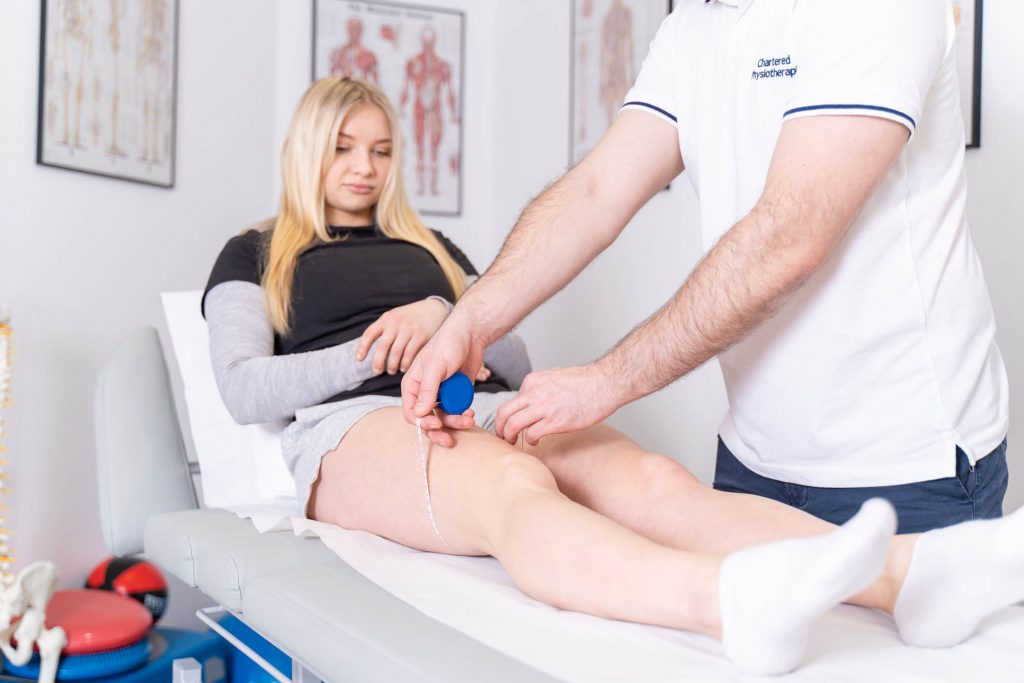
If you’re limping up the stairs, avoiding long walks, or wincing every time you stand up, you’re probably wondering whether you really need physio for knee pain or if it will simply settle down on its own. It’s a common question people in Southampton ask before they decide to see a physiotherapist. The honest answer is: sometimes knee pain does improve without treatment – but often it doesn’t, or it comes back again and again unless you deal with the root cause.
Understanding Knee Pain: When Is It Likely to Heal Itself?
Your knees take a lot of load every single day. Walking, running, climbing stairs, squatting, lifting – they all rely on a complex system of bones, ligaments, cartilage, tendons and muscles working smoothly together. When something goes wrong, it can be hard to tell if rest is enough or if you need physio for knee pain to guide your recovery.
Very mild strains or short-lived aches – for example after an unusually long walk around Southampton Common or a day on your feet at work – may settle with a few days of relative rest, gentle movement and simple self-care. In these cases, your body can often repair the minor irritation on its own, especially if you’re otherwise healthy and keep the joint moving comfortably.
However, if pain lingers for more than a couple of weeks, starts to limit your daily activities, or keeps returning every time you try to be more active, it’s less likely to be a simple “it will heal itself” situation. At that point, seeing a professional for a detailed assessment and examination can help you understand what’s really going on and what to do next.
Signs You Shouldn’t Ignore: When to Seek Physio for Knee Pain
Some knee symptoms are strong indicators that you should not wait and hope for the best. In these situations, getting physio for knee pain sooner rather than later can prevent a small problem from becoming a long-term issue.
You should consider booking with a physiotherapist in Southampton if you notice any of the following:
- Pain lasting longer than 10–14 days, even if it’s mild
- Swelling that doesn’t fully settle, or keeps coming back
- Clicking, locking, catching or a feeling of the knee “giving way”
- Difficulty walking, climbing stairs, or standing from a chair
- Night pain that wakes you up or stops you finding a comfortable position
- Recent increase in activity (e.g. new gym routine, running, sports) followed by persistent pain
These are signs that something in the joint is not moving or loading as it should. Early assessment and tailored treatment can reduce pain, restore movement, and protect your knee for the long term. Leaving it to “see what happens” often means compensating with other joints, which can lead to hip, back or ankle problems over time.
Red Flag Symptoms: When to Seek Urgent Help
While most knee pain is musculoskeletal and suitable for physiotherapy, a few symptoms mean you should seek urgent medical attention first. These include sudden, severe swelling after a major trauma, inability to bear any weight, intense pain with fever or feeling unwell, or a visibly deformed joint. In these cases, your GP, NHS 111, or A&E in Southampton should be your first stop to rule out fractures, infections or serious injuries.
Once serious issues are excluded, a physiotherapist can then guide your rehabilitation safely and effectively.
Why Waiting Can Make Knee Pain Worse
When your knee hurts, you naturally move differently to avoid the pain. You might limp, avoid bending, or stop using stairs. In the short term, this can feel protective. Over time, though, these patterns lead to muscle weakness, stiffness and poor joint support. The longer you wait, the more work it can take to rebuild strength and confidence.
By starting physio for knee pain early, you can break this cycle before it becomes a habit. You’ll learn how to move in ways that reduce pain rather than feed it, and you’ll get a clear plan instead of guessing what’s safe and what isn’t.
How Physio for Knee Pain Actually Helps Your Recovery
Many people imagine physiotherapy as just a few exercises and maybe some massage. In reality, effective physio for knee pain is a structured process that starts with understanding your unique situation and ends with you feeling confident using your knee in everyday life again.
At PhysioCraft in Southampton, your first session usually involves a detailed history and physical examination. This helps identify which structures are irritated – joint surfaces, ligaments, tendons, muscles, or the kneecap – and what’s driving the problem, such as muscle weakness, poor movement patterns, or overloading from sport or work.
From there, your physiotherapist will create a tailored plan that may include hands-on techniques, specific strengthening and mobility exercises, and advice on activity levels. The goal is not just to reduce pain, but to restore normal movement and prevent flare-ups so you can get back to the things you enjoy around Southampton – whether that’s walking by the waterfront, running, or playing with your kids.
Hands-On Treatment to Ease Pain and Improve Movement
In many cases, your physio will use manual techniques to help the joint and surrounding tissues move better. This might include manual therapy to gently mobilise the joint, release tight muscles and improve circulation. For some people, this provides immediate relief and helps you move more comfortably so you can start exercising properly.
Where appropriate, soft tissue work or targeted massage can also help reduce muscle tension around the knee and thigh. These techniques are always combined with movement and strengthening work so that the benefits last, rather than fading a few days later.
Targeted Exercise and Rehabilitation
Exercise is at the heart of effective physio for knee pain. You’ll usually be given a structured programme of strengthening, stretching and control exercises to do at home between sessions. These are designed to be realistic for your current level and to fit around your routine.
As you progress, your physiotherapist will adjust your programme – adding load, changing angles, or introducing balance and functional tasks like squats, step-ups or lunges. This graded approach helps your knee adapt safely so you can return to walking, work, sport or hobbies without constantly worrying about pain.
Will Rest Alone Fix Your Knee Pain?
It’s very tempting to rest completely when your knee hurts. You might stop going for walks around Southampton, avoid stairs, and spend more time sitting. In the very short term – especially in the first 48–72 hours after a minor strain – a little rest can help settle irritation. But beyond that, prolonged rest often slows your recovery.
When you rest too much, the muscles that support your knee begin to weaken. The joint can become stiff, your balance can reduce, and the tissues may actually become more sensitive to load. Then, when you eventually try to be active again, the knee feels just as sore – or sometimes worse – than before.
This is where guided physio for knee pain makes a big difference. Instead of guessing how much to do, you’ll be shown how to keep moving safely, which exercises to prioritise, and how to gradually increase your activity without triggering big flare-ups.
The Problem with “Pushing Through” Pain
On the other end of the spectrum, some people ignore their symptoms and keep training or working at full intensity, hoping the knee will adapt. While a certain amount of discomfort can be normal during rehab, regularly pushing through strong pain can irritate the joint further and delay healing.
A physiotherapist can help you find the right middle ground: enough load to stimulate healing and strength, but not so much that you keep re-irritating the tissues. You’ll learn simple ways to monitor your pain and adjust your activity so you feel in control rather than confused and frustrated.
Common Types of Knee Pain Physio Can Help With
Not all knee pain is the same. The type of discomfort you feel, where it’s located, and what brings it on can all provide clues about the underlying issue. Understanding this helps you see why physio for knee pain is often more effective than a “wait and see” approach.
Here are some of the more common knee problems physiotherapists in Southampton see:
- Patellofemoral pain (pain around or behind the kneecap, often worse on stairs or sitting)
- Meniscal irritation or tears (pain with twisting, squatting, or a catching/locking feeling)
- Tendon problems (such as patellar or quadriceps tendinopathy, often linked to jumping or running)
- Osteoarthritis-related pain and stiffness
- Ligament sprains from sport or sudden twists
Each of these conditions responds best to slightly different types of exercise, loading strategies and hands-on treatment. That’s why a one-size-fits-all approach from the internet rarely works as well as an individualised plan from a physiotherapist.
Managing Long-Term or Arthritic Knee Pain
If you’ve been told you have “wear and tear” or osteoarthritis in your knee, you might assume that nothing can be done apart from medication or surgery. In reality, physio for knee pain is one of the most effective ways to manage arthritic knees, especially in the early to moderate stages.
By strengthening the muscles around the joint, improving flexibility, and optimising how you move, you can often reduce pain significantly and stay active for longer. Many people in Southampton find that a combination of regular home exercises and occasional check-ins with their physio allows them to keep walking, gardening, and enjoying daily life without relying solely on painkillers.
What to Expect at Your First PhysioCraft Knee Appointment
Feeling nervous about your first appointment is completely normal, especially if you’ve been in pain for a while. Knowing what to expect from physio for knee pain at PhysioCraft can help you feel more at ease and prepared.
Your session will usually begin with a detailed conversation about your symptoms: when they started, what makes them better or worse, and how they affect your life in Southampton – from work and family responsibilities to the activities you miss doing. This helps your physiotherapist understand your goals as well as your pain.
Next comes a physical assessment. You may be asked to walk, squat, or perform simple movements while your physio observes how your knee behaves. They’ll gently test your range of motion, muscle strength and joint stability. If needed, they might suggest further investigations and can work alongside any scans or medical reports you already have.
Building a Personalised Treatment Plan
Based on this assessment, your physiotherapist will explain their findings in clear, simple language. You’ll discuss what’s likely causing your pain and what you can realistically expect from treatment. Together, you’ll agree a plan that fits around your schedule and priorities.
This might include a combination of hands-on treatment, targeted exercise, and practical advice about pacing, footwear, or modifications at home or work. For many people, structured rehabilitation exercises form the backbone of recovery, giving you a clear roadmap from your current pain to your desired level of activity.
Supporting Your Progress Between Sessions
Effective physio for knee pain doesn’t stop when you leave the clinic. You’ll usually be given a simple home programme with clear instructions and progressions. Your physio will help you understand what level of discomfort is acceptable, how to adjust exercises on flare-up days, and how to gradually increase your walking or activity around Southampton.
This ongoing support means you’re not left guessing. Instead, you can track your progress, celebrate small wins, and make steady improvements towards pain-free movement.
Frequently Asked Questions
How do I know if I really need physio for knee pain?
If your knee pain has lasted more than a couple of weeks, is affecting your daily activities, or keeps coming back when you try to be more active, it’s a strong sign you would benefit from physio for knee pain. A physiotherapist can assess what’s causing the problem and give you a clear plan, instead of leaving you to guess whether rest is enough.
Can I just do exercises from the internet instead?
Generic exercises can sometimes help, but they’re not tailored to your specific issue, fitness level or goals. In some cases, the wrong exercises or the wrong amount of load can actually irritate your knee further. Working with a physio in Southampton means you get individualised guidance and progression, which usually leads to faster and more reliable results.
How long does physio for knee pain usually take to work?
The timeline depends on the cause and severity of your pain, as well as how long you’ve had it. Some people feel noticeable relief within a few sessions, while more complex or long-standing problems can take several weeks or months of consistent work. Your physiotherapist will give you a realistic idea of expected progress at your initial assessment.
Is it ever too late to start physio for an old knee injury?
It’s rarely too late to benefit from physio for knee pain, even if your injury is months or years old. While older injuries may take longer to respond, improving strength, flexibility and movement patterns can still reduce pain and help you stay active. Many people in Southampton with long-term knee issues notice meaningful improvements once they finally get a structured plan.
Conclusion: Take the Next Step Towards Pain-Free Knees
Living with ongoing knee pain is exhausting. It limits your choices, drains your energy, and can make even simple tasks around Southampton feel like a challenge. While some minor aches do settle with time, persistent or recurring pain usually needs more than rest alone. Structured physio for knee pain can help you understand what’s wrong, reduce your symptoms, and rebuild strength and confidence in your knee.
If you’re ready to stop guessing and start moving forward, you can book a knee assessment at PhysioCraft in Southampton today. With expert guidance, a clear plan, and support at every step, you don’t have to put up with knee pain as your “new normal”.