
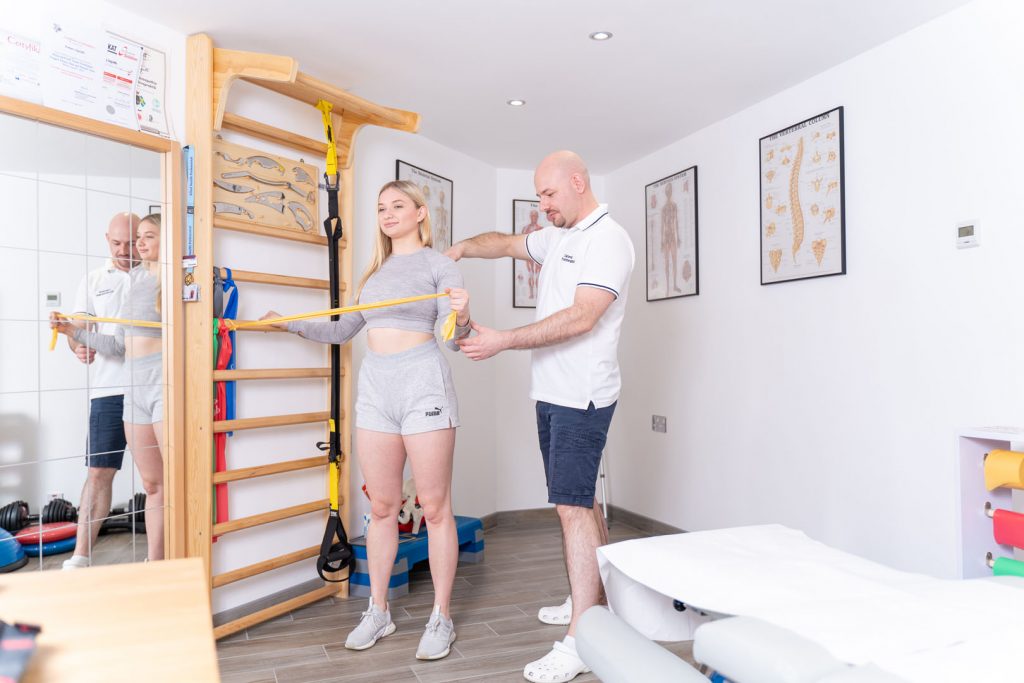
If you spend your days at a desk, on your phone, or driving, you may already feel the effects of slumped shoulders, a stiff neck, or an aching lower back. The good news is that posture correction is absolutely possible with the right, realistic plan. In this step-by-step guide from PhysioCraft in Southampton, you’ll learn how to recognise bad posture, what’s really causing your discomfort, and exactly what to do each day to start standing taller and moving more freely.
Understanding Bad Posture: What’s Really Going On?
Before you can fix bad posture, you need to understand what it actually is. Many people imagine “perfect posture” as a rigid, military-style stance. In reality, good posture is simply the position where your joints, muscles, and ligaments work together efficiently with the least strain. Bad posture happens when certain muscles become tight and overworked, while others become weak and underused.
Over time, this imbalance can lead to rounded shoulders, a forward head position, an exaggerated curve in your lower back, or a flat, rigid spine. These patterns are especially common if you work at a computer, drive long distances, or spend a lot of time on your phone. In Southampton and across the UK, more people than ever are seeking posture correction because these habits have become part of everyday life.
Bad posture is not just about how you look in photos. It can contribute to headaches, neck pain, shoulder tension, lower back pain, and even fatigue, because your body has to work harder to keep you upright. The key message is reassuring: posture is not “fixed” or permanent. With the right exercises, awareness, and sometimes professional support, you can make meaningful, lasting improvements.
Step 1: Assess Your Posture (So You Know What to Fix)
The first step in any effective posture correction plan is to assess where you are now. You don’t need specialist equipment to get started. A simple home check can give you a surprisingly clear picture of your posture patterns.
Stand sideways in front of a mirror, or ask someone to take a full-length photo from the side. Look at the position of your ears, shoulders, hips, knees, and ankles. In a more neutral posture, these should roughly line up in a straight line. If your head is far forward, your shoulders are rounded, or your lower back curves excessively, those are signs that certain muscles are working harder than they should.
Simple Wall Test
One easy way to assess your posture at home is the wall test. Stand with your back against a wall, heels a few centimetres away. Your bottom and shoulder blades should touch the wall. Notice how far your head is from the wall. If you have to strain or tilt your chin up to get your head to touch, it’s a sign of a forward head posture and upper back tightness.
Also pay attention to the space between your lower back and the wall. A small natural curve is normal, but if you can fit a whole hand or more behind your lower back, your spine may be over-arched. This test gives you a quick snapshot of where your body is starting from, so you can track progress over time.
When to Get a Professional Assessment
If you notice significant asymmetry, ongoing pain, or you’re unsure what you’re seeing, it can be helpful to book a professional posture assessment. At PhysioCraft in Southampton, a detailed assessment and examination can identify the specific muscles and joints that need attention. This means your exercise plan can be tailored to you rather than guessing with generic advice.
A professional eye is especially important if your posture issues are linked to long-term back pain, previous injuries, or conditions such as scoliosis. In these cases, a personalised strategy helps you improve posture safely and efficiently.
Step 2: Fix Your Daily Setup – Desk, Phone and Home Habits
You can do all the exercises in the world, but if you spend eight hours a day slumped over a laptop, progress will be slow. The next step in your posture correction journey is to adjust the environments where you spend most of your time: usually your desk, car, and sofa.
In Southampton, many of our clients at PhysioCraft work in hybrid or remote roles, which means makeshift home offices, dining chairs, and laptops on coffee tables. These setups quietly encourage you to lean forward, round your shoulders, and crane your neck. Small changes here can make a big difference to your comfort.
Better Desk and Screen Position
Start by raising your screen so the top third is at or just below eye level. This helps reduce the forward head position that strains your neck. Your keyboard should be positioned so your elbows are roughly at 90 degrees and your shoulders can relax down, not hunch up towards your ears.
Your chair should support the natural curve of your lower back. If it doesn’t, you can use a small rolled towel or cushion as a temporary lumbar support. Keep your feet flat on the floor and avoid crossing your legs for long periods. These adjustments reduce the load on your spine and make it easier to maintain a more neutral posture without constant effort.
Movement Breaks and Phone Use
Even a perfect desk setup won’t help if you sit completely still for hours. Aim for a brief movement break every 30–45 minutes: stand up, roll your shoulders, gently rotate your neck, and walk for a minute. These micro-breaks reset your posture and improve circulation.
When using your phone, try to bring the screen up towards eye level rather than dropping your head down to your hands. This simple habit change can significantly reduce neck strain over time. If you commute around Southampton by train or bus, be especially mindful of this, as it’s easy to spend the whole journey looking down at your phone.
Step 3: Targeted Exercises to Strengthen and Stretch
Once your environment supports better posture, it’s time to train your body. Effective posture correction combines two key elements: strengthening the muscles that hold you upright and stretching the muscles that pull you out of alignment. You don’t need a gym membership; a few focused exercises at home can be highly effective.
Always move within a comfortable range and avoid pushing into pain. If you have a history of injury, recent surgery, or significant pain, it’s wise to get personalised guidance, such as a tailored rehabilitation exercises programme from a physiotherapist.
Key Strengthening Exercises
1. Chin Tucks (for forward head posture): Sit or stand tall. Gently draw your chin straight back, as if making a double chin, without tilting your head up or down. Hold for 5 seconds, repeat 10 times. This strengthens the deep neck flexors that help support your head in a better position.
2. Scapular Squeezes (for rounded shoulders): Sit or stand with arms relaxed. Gently squeeze your shoulder blades together and slightly down, as if you’re trying to tuck them into your back pockets. Hold for 5 seconds, repeat 10–12 times. This exercise helps wake up the mid-back muscles that counteract slouching.
3. Wall Angels (for upper back mobility): Stand with your back against a wall, feet slightly forward. Try to keep your lower back, upper back, and head against the wall. Raise your arms to a “goalpost” position, elbows bent at 90 degrees, and slowly slide them up and down the wall. Move within a range that feels comfortable. This promotes mobility through the upper back and shoulders.
Essential Stretches for Tight Areas
1. Chest Stretch: Stand in a doorway, place your forearms on the frame at shoulder height, and gently lean forward until you feel a stretch across the front of your chest. Hold for 20–30 seconds, repeat 2–3 times. This helps open up tight chest muscles that pull the shoulders forward.
2. Hip Flexor Stretch: Kneel on one knee (use a cushion if needed), with the other foot in front. Gently shift your weight forward until you feel a stretch at the front of the hip on the kneeling side. Keep your torso upright. Hold 20–30 seconds, repeat 2–3 times each side. This is especially useful if you sit for long periods, as tight hip flexors can affect your lower back posture.
3. Upper Trapezius Stretch: Sit tall, gently tilt your ear towards one shoulder, and use the hand on that side to add a light pressure if comfortable. You should feel a stretch along the side of your neck. Hold 20–30 seconds, repeat 2–3 times each side. This can ease some of the tension associated with desk work and phone use.
Step 4: Build Posture Habits You Can Actually Stick To
Knowing what to do is one thing; doing it consistently is another. The most powerful changes in posture correction come from small habits you can repeat day after day. You don’t need perfection. Instead, aim for gradual improvement and realistic routines.
Start by choosing just two or three exercises from the previous section and performing them once a day. You can add more later, but building a simple, sustainable routine is more effective than an intense programme you abandon after a week. Many of our clients in Southampton find it helpful to attach posture exercises to existing habits, like doing a quick routine after brushing your teeth or during a mid-morning break.
Posture Prompts and Reminders
Visual and digital reminders can be surprisingly effective. You might place a sticky note on your monitor that says “Sit tall” or “Shoulders down,” or set a gentle reminder on your phone every 45 minutes to stand and move. These prompts gradually train your brain to check in with your posture more frequently.
Over time, these check-ins become automatic. You’ll start noticing when you’re slouching or craning your neck and naturally adjust without thinking. This is where lasting posture change really happens – not from one big effort, but from many small corrections throughout the day.
Managing Pain While You Improve Posture
If you’re already in pain, working on posture can feel daunting. It’s important to progress at a pace your body can tolerate. Gentle hands-on treatments such as manual therapy or massage can help ease tight muscles and stiff joints, making it more comfortable to practise your exercises.
In Southampton, many people come to PhysioCraft with long-standing neck or back pain and worry that it’s “too late” to change. It’s not. With a blend of pain relief strategies and graded exercise, you can usually start to move better, feel more confident, and gradually improve your posture without flaring your symptoms.
Step 5: When to Seek Professional Help for Posture Correction
While many posture issues can be improved at home, there are times when professional help is the safest and most efficient option. If your posture is linked to significant pain, nerve symptoms (such as tingling, numbness, or weakness), or a previous injury, a tailored plan from a physiotherapist can prevent you from aggravating the problem.
At PhysioCraft in Southampton, we often see people after months or years of trying to manage their posture and pain alone. A thorough assessment allows us to pinpoint which joints are stiff, which muscles are weak or overactive, and how your daily activities contribute to the issue. From there, we design a step-by-step plan that fits into your life, not the other way around.
Combining Treatment with Exercise
For many people, the most effective approach to posture correction blends hands-on treatment with specific exercises. For example, if your posture has contributed to ongoing lower back discomfort, targeted back pain treatment can help settle symptoms while you build strength and mobility.
Similarly, if your posture problems are linked to sports or work-related strain, a tailored exercise and treatment plan can help you move more efficiently, reduce pain, and lower the risk of future flare-ups. This combined approach often leads to faster, more sustainable results than exercises alone.
Signs You Should Get Checked
Consider booking a professional assessment if you notice any of the following:
- Persistent neck, shoulder, or back pain that lasts more than a few weeks
- Frequent headaches that seem linked to time at your desk or on your phone
- Numbness, tingling, or weakness in your arms or legs
- Posture that looks noticeably uneven from side to side
- Pain that interferes with sleep, work, or daily activities
Getting help early can prevent small posture issues from becoming bigger, more complex problems later on.
Frequently Asked Questions
How long does it take to correct bad posture?
The time it takes for effective posture correction varies from person to person. Some people notice changes in how they feel within a few weeks of consistent exercises and better desk habits. Visible changes in posture often take longer – usually several weeks to a few months. Factors like how long you’ve had the problem, your daily routine, and how regularly you do your exercises all play a role.
Can posture correction help with back and neck pain?
Yes, improving posture often reduces back and neck pain, especially when those symptoms are linked to prolonged sitting, desk work, or phone use. By aligning your joints more efficiently and sharing the load across the right muscles, you reduce strain on sensitive structures. For persistent pain, combining posture work with targeted treatment – such as personalised back pain management or rehabilitation – can be particularly effective.
Is it too late to fix my posture as an adult?
No, it’s rarely too late to make meaningful improvements. While you may not completely change long-standing structural patterns, adults of all ages can improve mobility, strength, and alignment. Many clients in Southampton in their 40s, 50s, and beyond see noticeable benefits in comfort, confidence, and movement when they commit to a realistic posture plan.
Do I need special equipment to improve my posture?
You don’t need expensive gadgets to start working on posture correction. Most effective exercises can be done using your own body weight, a wall, and simple items like a towel or cushion. Ergonomic chairs and standing desks can help, but they’re not essential. The most important tools are consistency, awareness, and a plan that suits your body and lifestyle.
Conclusion: Take the Next Step Towards Better Posture
Bad posture doesn’t have to be your “normal.” With a clear understanding of what’s going on, simple changes to your daily setup, and a handful of targeted exercises, you can start to feel the benefits of posture correction in your everyday life. Whether you’re working at a desk in Southampton, juggling family life, or getting back into sport, better posture means less strain, more energy, and greater confidence in how you move.
If you’re ready to get personalised guidance, the team at PhysioCraft in Southampton can help you build a step-by-step plan tailored to your body and your goals. To start improving your posture and easing pain with expert support, book an appointment at PhysioCraft in Southampton today.