
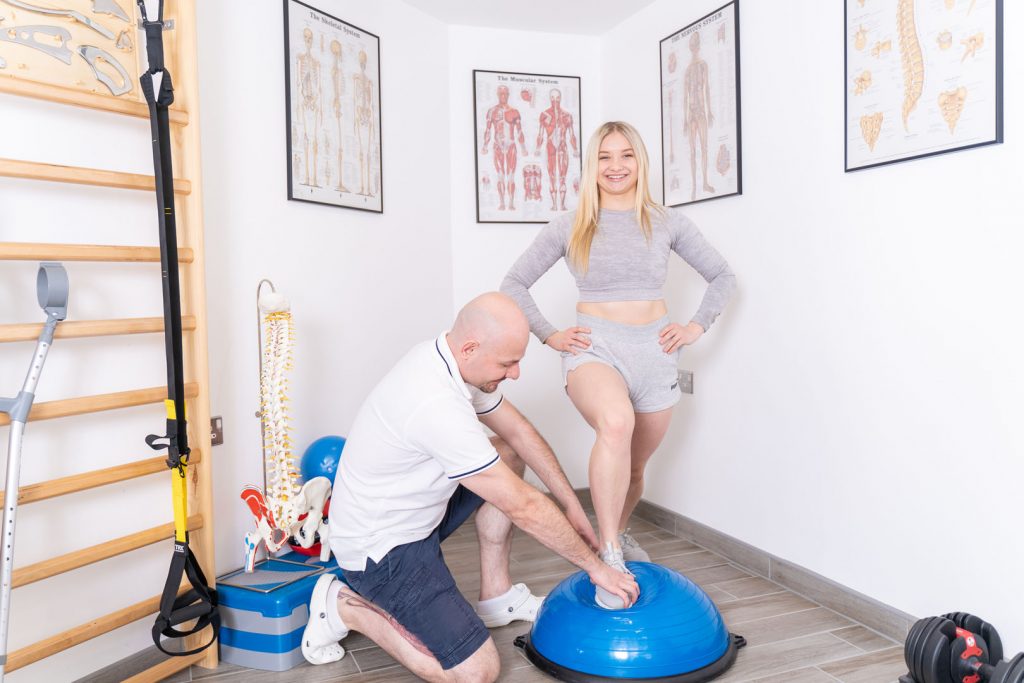
If you have pulled a muscle, twisted a knee or picked up a niggling pain that just won’t go away, you might be wondering how sports injury physio can help you get back to the activities you love. At PhysioCraft in Southampton, physiotherapy is designed to guide your body through a faster, safer and more complete recovery, whether you play sport occasionally, train regularly, or simply want to move without pain.
Why Sports Injuries Need More Than Just Rest
After an injury, it can be tempting to rest and hope everything settles down on its own. While rest has its place, relying on it alone often leads to stiffness, weakness and a high chance of the same injury coming back. Sports injury physio focuses on healing the damaged tissues while also restoring strength, flexibility and control, so you can trust your body again.
Pain is your body’s way of telling you something is wrong, but it doesn’t always explain what is actually injured or how serious it is. A structured assessment helps you understand what has happened and what needs to be done. That clarity can be a huge relief, especially if you’ve been worrying about how long you’ll be out of action or whether you might be making things worse.
Physiotherapy also helps you avoid the “boom and bust” cycle: feeling slightly better, doing too much too soon, and then flaring everything up again. With the right guidance, you can gradually increase your activity in a controlled way that respects the healing process.
How a Physio Assesses Your Sports Injury
A thorough assessment is the foundation of effective sports injury physio. At PhysioCraft, your session starts with a detailed conversation about how the injury happened, what movements or positions make it worse, and what your goals are. Whether you want to return to running, five-a-side football, gym training or simply pain-free walking, your plan is tailored around you.
The hands-on examination looks at your posture, movement patterns and specific joint or muscle tests. Your physio checks for swelling, tenderness, restricted movement and weakness. They may also look at related areas – for example, hip and core control if you have knee pain – because sports injuries rarely occur in isolation.
For more complex or stubborn issues, additional tools can help clarify what’s going on. At PhysioCraft in Southampton, that may include advanced options such as diagnostic ultrasound scanning to visualise soft tissues like tendons and ligaments. This can give you a clearer picture of the injury and guide a more precise treatment plan.
Setting Clear, Realistic Recovery Goals
Once your physio understands your injury, they work with you to set realistic recovery milestones. That might include walking without pain, climbing stairs comfortably, returning to training, or competing at your previous level. Clear goals keep you focused and provide a way to measure progress along the way.
Importantly, your plan is flexible. If your pain or circumstances change, your physio can adjust your programme so you continue to move forward without overloading the healing tissues.
Understanding Your Diagnosis
Sports injury terms can sound worrying – sprains, strains, tears, tendinopathy – but your physio will explain what they actually mean for you in everyday language. You’ll learn which structures are involved, what stage of healing you are in, and what you can safely do right now.
When you understand your diagnosis, you’re more confident about moving, less anxious about pain, and more likely to stick with your rehab. That combination alone can significantly speed up recovery.
Hands-On Treatment That Helps You Heal Faster
One of the most immediate benefits of sports injury physio is hands-on treatment. Skilled manual therapy can reduce pain, ease muscle tension and improve joint mobility so you can move more freely and start exercising sooner.
At PhysioCraft in Southampton, your physio may use a combination of techniques such as joint mobilisations, soft tissue massage and stretching to target the exact areas that need help. These techniques are always tailored to your comfort level and the stage of your injury.
Massage and soft tissue work can be particularly helpful if you are guarding or tensing up around the injured area. By calming the muscles and improving blood flow, your body can deliver more oxygen and nutrients to support the healing process.
Targeted Sports Massage and Manual Therapy
For many people, a blend of sports massage and manual therapy offers rapid relief from tightness and soreness. Focused work on trigger points, fascia and overloaded muscles can help restore normal movement patterns and reduce the risk of compensations that lead to new injuries.
If your injury is linked to joint stiffness or poor alignment, specific joint techniques may be used to restore normal motion. This can make your exercises more effective and reduce strain on surrounding tissues.
Advanced Treatment Options for Stubborn Injuries
Some sports injuries, such as chronic tendon problems or long-standing muscle strains, need more than standard treatment. In these cases, your physio may suggest additional therapies to stimulate healing. At PhysioCraft, that can include options like shockwave therapy for persistent tendon or soft tissue pain or other tailored modalities when appropriate.
These treatments are always combined with a structured exercise programme, because research consistently shows that movement and loading are essential for long-term recovery and resilience.
Rehabilitation Exercises: The Heart of Long-Term Recovery
While hands-on treatment often provides quicker pain relief, your exercises are what create lasting change. Sports injury physio in Southampton focuses on building strength, flexibility and control step by step, so you can return to your sport with confidence.
Your physio will design an exercise plan that fits around your life. That might mean short, frequent sessions you can do at home, focused gym-based programmes, or specific drills that mirror your sport. The key is consistency and gradual progression.
Every exercise has a purpose. For example, you might work on single-leg balance after an ankle sprain, hip and core strength for knee pain, or shoulder stability exercises after a rotator cuff injury. Over time, these targeted movements help your body handle the demands of your chosen activity again.
Phased Progression Back to Sport
Returning to sport too quickly is one of the most common reasons injuries flare up again. Your physio will guide you through a phased progression, starting with basic movements, then adding resistance, speed, impact and sport-specific drills as your body is ready.
You’ll learn how to judge your own response to training – what level of discomfort is acceptable, when to ease off, and when to push a bit more. This knowledge gives you control over your recovery and helps you stay active safely in the future.
Preventing Re-Injury Through Smart Training
Good rehabilitation is about more than just fixing the current problem. It’s also about identifying and addressing the factors that led to the injury in the first place. That might include muscle imbalances, poor technique, training errors or inadequate recovery.
By working on these underlying issues, you reduce the risk of the same problem returning. Many people find they actually perform better after completing a structured rehab programme, because they move more efficiently and feel stronger and more stable.
Managing Pain and Swelling Without Losing Fitness
Pain and swelling are a normal part of many sports injuries, especially in the early stages. The goal of sports injury physio is not to ignore these signs, but to manage them in a way that supports healing while keeping you as active as possible.
Your physio will show you how to use ice, compression, elevation and gentle movement to reduce swelling and discomfort. They may also recommend specific positions or taping techniques to support the injured area during daily activities.
Importantly, you’ll also learn how to maintain your overall fitness while your injury recovers. That might involve alternative forms of exercise such as cycling, swimming, upper-body training or low-impact cardio that don’t aggravate your symptoms.
Listening to Your Body – With Expert Guidance
You’ve probably been told to “listen to your body”, but that can be confusing when you’re in pain. Is this discomfort normal healing, or a sign you’re overdoing it? Sports injury physio helps you interpret these signals more accurately.
By tracking your pain levels, stiffness and fatigue over time, your physio can fine-tune your programme. You’ll gain a better sense of what is safe and what needs adjusting, so you’re not constantly second-guessing yourself.
Why Choose PhysioCraft in Southampton for Sports Injury Physio?
Choosing the right clinic can make a big difference to your recovery experience. At PhysioCraft in Southampton, your care is built around you as a whole person, not just your injured body part. The team understands how frustrating it is to be sidelined from your favourite activities and works with you to get you back safely and confidently.
From your first assessment through to your final return-to-sport phase, you’ll have clear guidance and support. Treatment plans are practical and realistic, designed to fit around work, family and training commitments. You’ll always know why you’re doing each exercise and what the next step looks like.
For many people, an integrated approach combining assessment, hands-on treatment and structured rehab offers the best results. Where needed, this can include specialised services such as guided rehabilitation exercise programmes to support your progress between sessions.
Frequently Asked Questions
How soon after a sports injury should I see a physio?
In most cases, you can see a physio within the first few days after an injury. Early assessment helps rule out anything serious, gives you clear advice on what to do (and what to avoid), and can prevent bad habits from forming. If there is severe pain, major swelling, inability to bear weight or a suspected fracture, seek urgent medical attention first, then follow up with sports injury physio as part of your recovery.
Do I need a referral from my GP to start physiotherapy?
In many situations you do not need a GP referral to begin physiotherapy, especially in a private clinic setting like PhysioCraft in Southampton. You can usually book directly for an assessment. If your physio feels you need further medical tests or a specialist opinion, they will advise you and can communicate with your GP if needed.
How long does it take to recover from a sports injury?
Recovery time depends on the type and severity of the injury, as well as your general health and how consistently you follow your rehab plan. Minor muscle strains may improve within a few weeks, while more significant ligament or tendon injuries can take several months. Your physio will give you a realistic timeframe and update it as you progress.
Can physiotherapy help if my injury is old or recurring?
Yes. Many people come to sports injury physio months or even years after their original injury, especially if the problem keeps coming back. Physiotherapy can still help by addressing underlying weaknesses, stiffness or movement patterns that weren’t fully resolved the first time. It’s never too late to work on improving function and reducing pain.
Take the Next Step in Your Sports Injury Recovery
If you’re struggling with a sports injury and feel stuck, you don’t have to figure it out alone. Working with a skilled physio can give you a clear diagnosis, a structured plan and the confidence to move again. At PhysioCraft in Southampton, your treatment is tailored to your goals, whether that’s returning to competitive sport, staying active with friends, or simply walking without pain.
The sooner you get the right guidance, the sooner you can start healing properly and reduce the risk of long-term problems. To begin your recovery journey, you can book a sports injury physiotherapy appointment at PhysioCraft in Southampton today and take a positive step towards getting back to the activities you love.